

Farmer Focus: Tough decision as tractor purchase looms
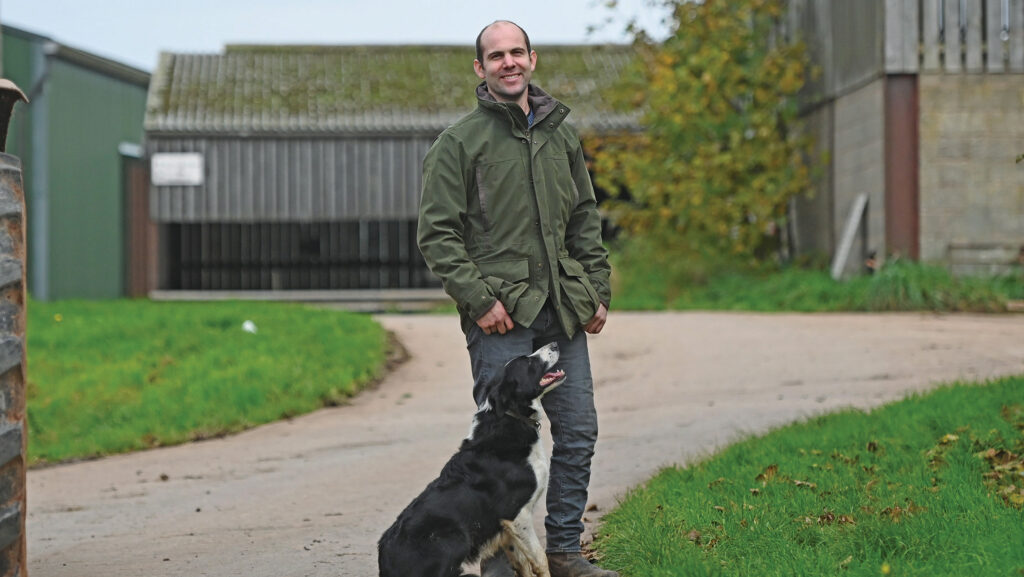 Dan Phillips © Richard Swingler
 We are in the middle of drilling winter wheat. All being well, we should have the majority finished by early October.
The soil is dry, but has been working nicely and, after a relatively dry harvest, we have the luxury of not needing to force things. With the ground temperature being warm and rain in the forecast, I hope it will be up and away in no time.
See also: Ultimate guide to buying a tractor 2026
About the author

Stubble turnip and oilseed rape establishment has been really pleasing, with rain coming at the perfect time to get it away from any slug or flea beetle damage. And with herbicides applied this week, it shouldn’t be long before the thick rows of volunteer wheat have disappeared from view.
We’ve had a John Deere 6250R demo on the farm recently, as we are looking to trade in our New Holland T7.270. We are all New Holland, and changing would be a big step.
However, the T7.270, while a very capable tractor, has had more than its fair share of issues, and the repair bills have started to become harder to ignore.
The John Deere is getting a good go on the Mzuri drill, and it certainly feels like a step up in some respects. It is a well-built tractor, the cab is quieter and much roomier, and the transmission is very good.
But there is a sizeable difference in purchase price, and it’s hard to know whether it is worth the extra cost. If it is more reliable, I think it would be, but it’s hard to know that unless you bite the bullet and buy one.
Another expensive purchase this autumn will be the store cattle. The fat trade has risen at the worst possible time for us, with trade jumping 35p/kg since July.
Store trade has inevitably risen with it, and it looks as if it will be another difficult autumn trying to replace them. Prices are on a par with last year, but the depressed summer trade meant we sold mostly at a lower price, so profit margin is almost non-existent.
One positive is that we still have a fair few to sell, and with the better trade equating to £150 a head, at least we will see a better return on those than if we’d sold them earlier. It just won’t make replacing them any cheaper.