

Farmer Focus: Tough times for herds on less than 30p/litre
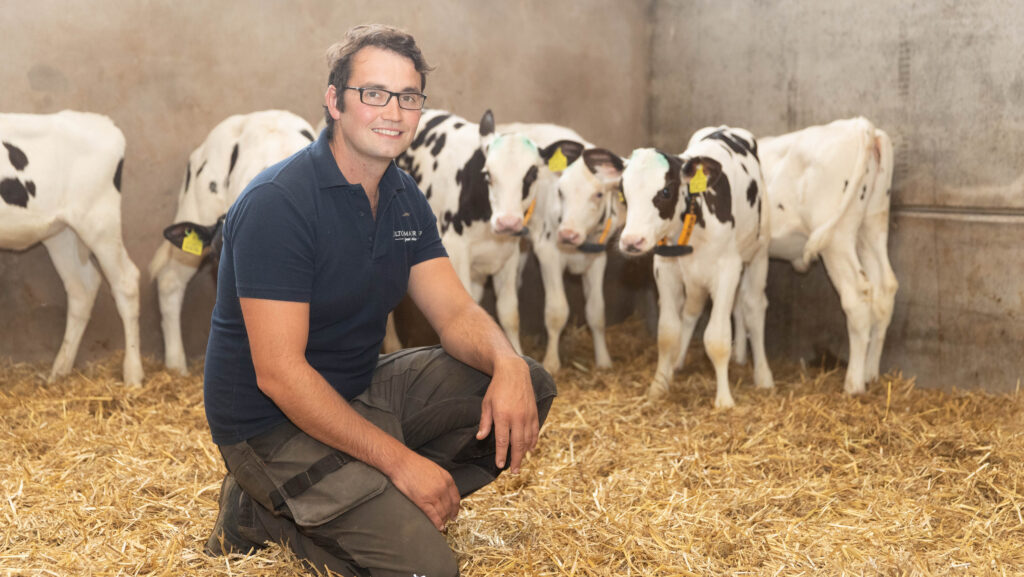 Tom Stable © Tim Scrivener
 We consider ourselves fortunate to have our Arla milk contract. It has delivered a good milk price and provides opportunities – not quite the protection of a full supermarket contract, but fewer restrictions that go along with that alignment.
Plenty of our neighbours have none of these luxuries and the sub-30p/litre milk price they are getting isn’t sustainable.
See also: Advice on investing in a cover for a slurry lagoon or tank
About the author

Cashflow is tough at this time of year for everyone but, for them especially, things are really hurting.
About five years ago in our area, we had quite a few new entrants into dairying, and it was something I really liked.
It made the industry feel positive, like something people wanted to be a part of. After years of decline, that was a good feeling.
However, we are back again now with herds disappearing and the milk field shrinking.
The weather windows have fallen well for us: we got second cut in the last week of May, and the regrowth looks good.
Slurry went on in a timely fashion, but the fertiliser was a little slower after I dropped our spreader on the main road (the less said about that the better).
The maize is between knee- and waist-high, and looking good. It’s pretty weedy and everything has had another lot of spray despite the pre-emergence, apart from what’s come out of grass, which is always clean.
The floor of the first section of slurry store has been poured and the mesh is going up in the walls ready for shuttering.
We have had the electric board here for a month moving our transformer and five poles and putting in a new connection for us, which is preventing any work on the main site.
I’d like to thank everyone for their patience while this has been going on. It’s been a testing time, with road closures and huge fluctuations in how many people are working on site.
Last year’s plentiful forage production means we haven’t opened any of this year’s silage yet, which we are normally straight into.
This has provided much better consistency for the cows, a lift in milk solids, and a reduction in health issues.
By the end of June we will start feeding second cut and try to maintain the performance. We’ll be keeping our fingers crossed.