

Defra puts use of processed animal protein in feed on hold
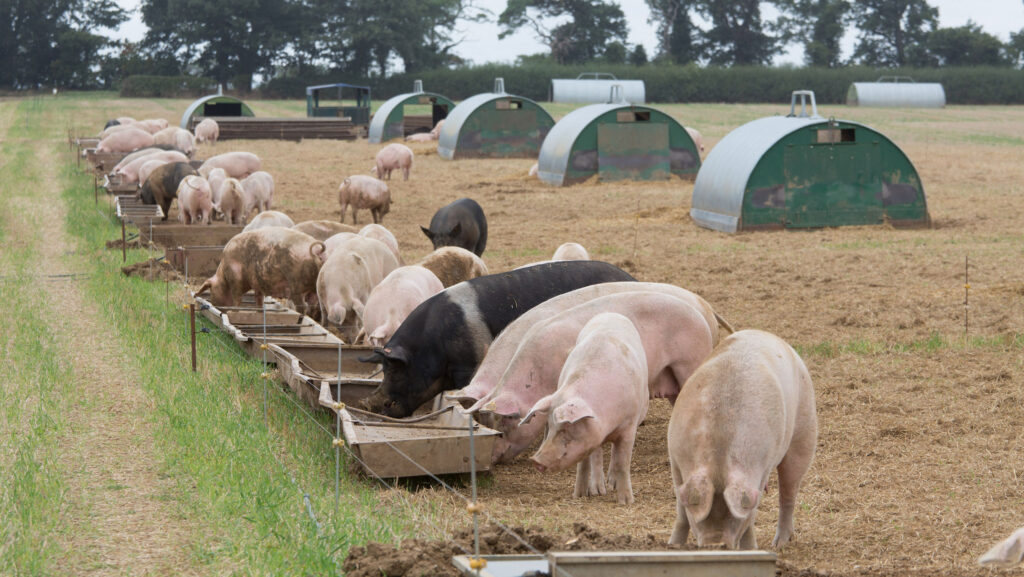 © Tim Scrivener
 Defra has agreed to allow the inclusion of processed animal protein (meat and bonemeal) in pig and poultry rations – but is delaying implementation until it has signed a new sanitary and phytosanitary (SPS) agreement with the EU.
This is despite the fact the EU already allows the use of processed animal protein (PAP) in non-ruminant rations, and has done so since 2021.
See also: Can insect protein replace soya beans in pig diets?
PAP was first banned in the UK in 1988 in response to the escalating BSE crisis, since feeding contaminated meat and bonemeal was identified as a principle means of recirculating the disease in livestock.
However, subsequent research has shown that pigs and poultry are not naturally susceptible to transmissible spongiform encephalopathies, while improvements in testing allow for the differentiation of ruminant and non-ruminant proteins
Consultation
Defra therefore held a consultation in early 2025, proposing to allow the use of porcine PAP in poultry feed, and poultry PAP in pig rations.
It also paved the way for the use of insect PAP in both porcine and poultry rations, and for ruminant collagen and gelatine in non-ruminant feed.
In its response to that consultation, Defra and the Welsh government said it planned to proceed with all these proposals, saying the health risk to animals and humans was negligible.
“However, the government recently announced its intention to reset the UK’s relationship with the EU and pursue an SPS agreement to dynamically align with EU rules,” it said.
“Therefore, we will now not be making these changes independently and will do so instead in a future process where the UK implements an SPS agreement with the EU.”
Response
National Pig Association chief executive Lizzie Wilson said she was not surprised at the delay, but expressed concern that this was part of a growing trend of Defra policy being put on hold until the EU-SPS agreement is implemented, the timescale for which remains uncertain.
She said the NPA has always welcomed the return, in principle, of pig and poultry PAP, but said certain conditions would need to be met before it could be used in practice.
“The industry would need to be convinced the practice is safe, well-regulated and accepted across the supply chain and by the public,” she said.
“There are also various practical issues to address to make it a cost-effective solution,” she added, including the ability and willingness of the whole supply chain to ensure the practice is entirely safe and traceable, and to bear the associated costs.
James McCulloch, head of feed at the Agricultural Industries Confederation (AIC) said feed manufacturers supported the proposed amendments to animal feed controls, to allow PAP in non-ruminant diets.
He also described the decision to place the change “on hold” pending the securing of the SPS agreement with the EU as pragmatic and sensible – “provided the UK government ensures that such alignment is introduced without unnecessary delay”.