

Diverse cattle tracing systems could undermine disease protection
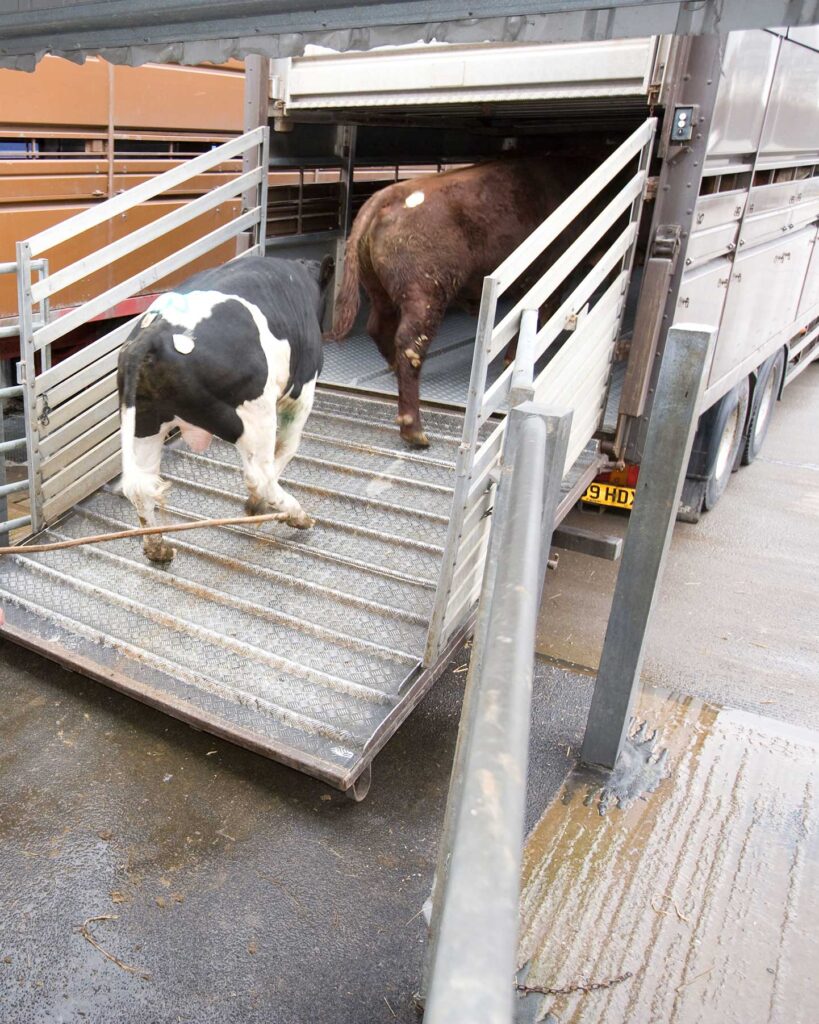 © Tim Scrivener
 Meat industry representatives have warned that the development of separate livestock movement recording systems in England, Scotland and Wales could undermine the effectiveness of a previously unified traceability system.
But while England and Wales are moving towards low frequency electronic identification (EID) for cattle, and Scotland plans to introduce ultra-high frequency systems, the British Meat Processors Association (BMPA) says it is the different IT systems being developed in each region that is the real challenge.
See also: Electronic cattle tags to be made mandatory in England
“Abattoirs can fairly easily install two sets of scanners in the race to pick up both types of EID,” said BMPA chief executive Nick Allen.
“What really concerns us is the fact England, Scotland and Wales are developing independent databases, with different IT and a separate team of civil servants to operate each. What could possibly go wrong?”
Letter to Defra
So concerned is the BMPA that it has written to Defra secretary Emma Reynolds to demand stronger co-ordination between the UK government and the devolved administrations.
“Traceability is a cornerstone of the UK’s animal health framework, underpinning disease control, food safety, consumer confidence and international trade,” says the letter.
“A system that provides accurate, consistent and timely information on livestock movements is essential for managing supply chains, responding to disease incidents, and demonstrating compliance with domestic and export requirements.
“However, the current direction of policy risks fragmenting what needs to be a unified system.”
With animals routinely born in one part of GB, reared in another and slaughtered in a third, a single framework was needed to provide farm-to-fork traceability and ensure effective disease control.
“At a minimum, this requires common data standards, seamless data sharing, and a unified approach to recording animal movements,” says the letter.
Response
By way of response, a Defra spokesman said the government was “fully committed” to strengthening the UK’s biosecurity through a “modern, robust and reliable” multispecies livestock tracing system.
“We are continuously working alongside devolved counterparts to create a seamless trade within the UK and Great Britain, and to ensure that cattle can be reliably identified and traced as they move between nations.”
Traceability data from England, Wales and Scotland will be integrated into a “UK View” platform, to continue to enable chief veterinary officers to monitor livestock locations and movements across GB for effective biosecurity management.
Electronic ID
On EID, Defra pointed to a report from the Office for the Internal Market which had concluded that, if managed well, the existence of two technical standards would have limited impact on the overall pattern and volume of trade.
However, it did highlight the potential for increased costs of moving cattle between Scotland and other GB nations.
Another issue is the extent to which ultra-high frequency EID systems might be compatible with EU law, where such technology is not approved.
This may be an issue for ongoing negotiations for a sanitary and phytosanitary agreement with the EU.