

UK egg sector faces housing investment gap
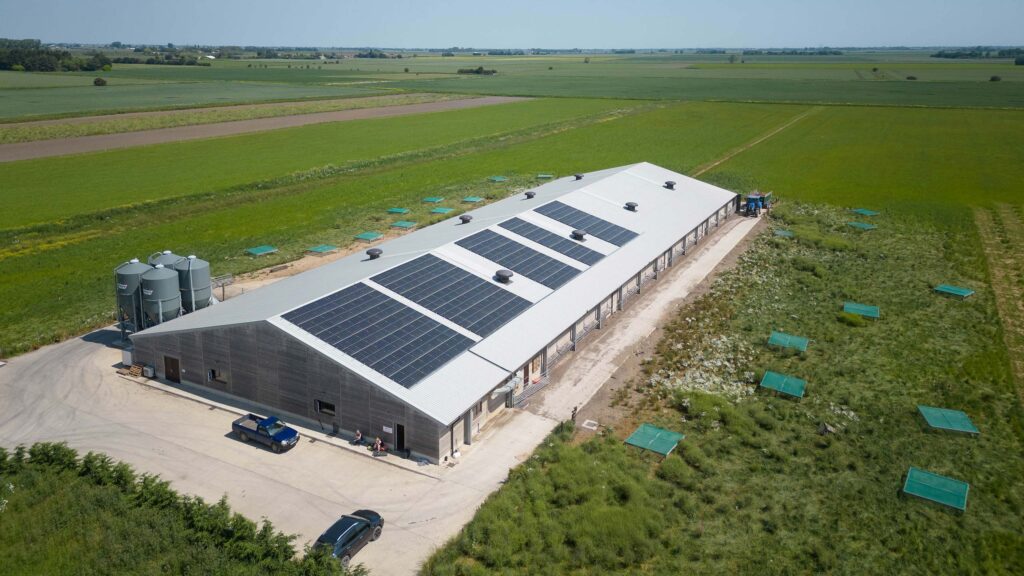 © Tim Scrivener
 The UK egg sector is facing a serious investment gap in new housing, with ageing sheds and a sharp slowdown in construction raising concerns over future production, according to a new NFU survey.
The survey, conducted from May to June 2025, covered 1,271 sheds with a combined capacity of 23m birds across laying, pullet rearing and breeding sites. At the time, the total UK laying flock stood at about 43m hens.
See also: How free-range egg diversification solved labour dilemma
Findings show the average age of laying hen sheds is 17 years, with regional averages of nine years in Wales, 12 in Scotland, 18 in Northern Ireland, and 19 in England.
Almost one fifth (19%) of sheds are more than 25 years old, while 20% have undergone major refurbishment.
Pullet rearing and breeding sheds are significantly older. Pullet rearing sheds average 38 years, with 55% more than 40 years old, and breeding sheds average 37 years, with 51% over 40.
Laying systems vary, with enriched colony sheds averaging 27 years, flat deck 22 years, and multi-tier 12 years.
The survey also highlights a sharp slowdown in new construction. Between 2020 and 2025, just 120 new sheds were built, a 40% drop compared with 206 in 2016-2020.
Need for modernisation
NFU Poultry Board chairman Will Raw said: “This survey gives us the clearest picture yet of the state of the UK’s egg production infrastructure – and it shows a sector that needs the right tools and confidence to invest.
“Farmers want to modernise, expand and future-proof their businesses, but they need a planning system that works and a supply chain that delivers fair, sustainable returns.
“This data strengthens our case for both, and we support responsible expansion in the sector which helps meet the public’s growing desire for affordable, versatile and nutritious protein which eggs provide.”
The NFU says modernising infrastructure and creating a fair supply chain are essential to ensure the UK egg sector can grow sustainably and continue to meet rising consumer demand.