Farmers to be paid more as wool prices climb
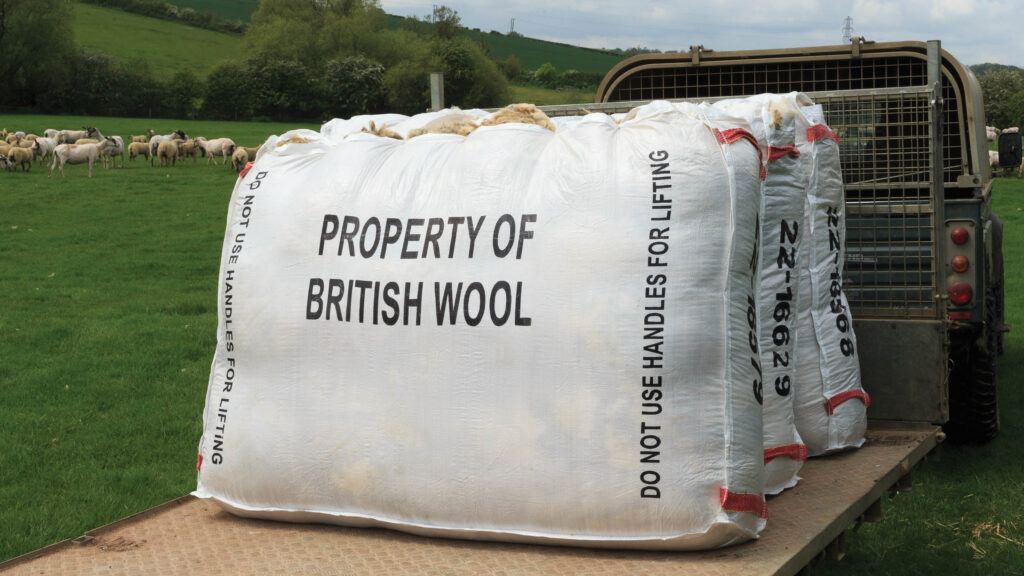 © Tim Scrivener
 Sheep farmers are set to receive better returns for fleeces this year, with wool prices up considerably as a result of tight global supplies.
Wool values lifted more than 10% at the final British Wool sale of the 2025-26 season on 9 June, with a clearance rate of 99%, competitive bidding, and a high level of demand reported from the outset.
See also: British wool values lift to 10-year highs at auction
More than 1,000t of wool was sold, achieving an average clean price of £2.81/kg and an average greasy price of £1.85/kg.
The first auction of the 2026 wool clip is scheduled for 21 July, with roughly 1,000t expected to go under the hammer. British Wool says intake for the 2026 clip year has got off to a relatively slow start with cold and wet weather delaying shearing this season.
Wool prices struggled for several years after Covid due to limited demand, with fleece prices not able to cover the cost of shearing.
However, tight supplies and strong demand in the past year has helped to lift prices. Dumfriesshire livestock farmer and chairman of British Wool Jim Robertson said prices had been stuck in a trough but were now going the right way.
“I see no reason for it not to continue to rise,” he said. “The better end of the wool should cover the cost of shearing this year, there is no doubt of that.”
Shearing costs are typically in the region of £1.50-£2.10 a ewe depending on numbers and location, with the NAAC contractor price guide 2026-27 putting sheep shearing at £1.93 a head.
Price expectations
Meanwhile, British Wool expects farm businesses to be paid in excess of £1/kg for many of the core grades of wool this year, which would equate to more than £3 a fleece for a typical 3kg fleece.
Mr Robertson added: “The whole world has got less sheep in it, but I think the big thing is that people have realised now how valuable a fibre wool is, and I think that they’re starting to realise that it can be used in so many different ways.”
He said the carpet industry remained a big purchaser of UK wool, along with the bedding industry for use in mattresses, duvets, and pillows.
Mr Robertson advised farmers to look after their fleeces following shearing and get them into depots as soon as possible.
Billy Hewitson, head of operations at British Wool, said fleeces from Cheviot ewes were achieving the top prices at the moment, but there was demand for all different types.