

Five-Point Plan updated to help hit sheep lameness targets
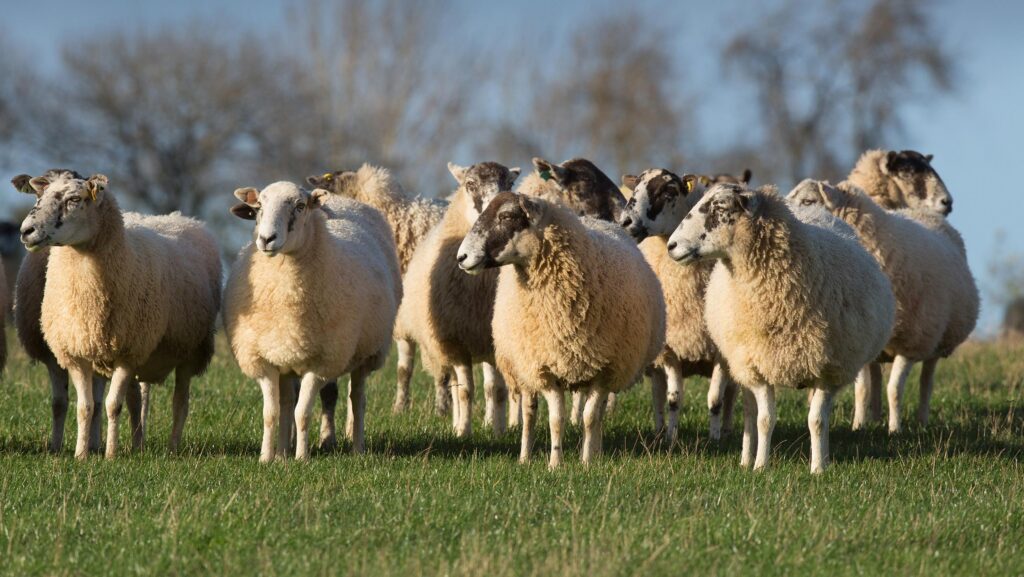 © Tim Scrivener
 The Five-Point Plan is being updated to help sheep farmers regain momentum in tackling lameness after progress towards national reduction targets stalled.
First launched in 2011, the plan helped reduce average flock lameness to below 5% within five years.
However, the industry is thought to have fallen short of its longer-term target to reduce lameness to below 2% by 2021, although national data remains limited.
See also: Foot-rot link to Codd could help control disease in sheep
The Five-Point Plan
- Prompt treatment
- Cull persistently lame sheep
- Quarantine incoming stock
- Avoid disease spread
- Vaccinate
According to the plan’s original author, Dr Ruth Clements, progress has been hindered by the growing prevalence of contagious ovine digital dermatitis (Codd) and a lack of funding to support continued development.
Farmer feedback
Now, funding through Defra’s Farming Innovation Programme Adopt initiative is supporting an 18-month project to refresh the guidance.
Working with Devon sheep farmers Bryan and Liz Griffiths, Dr Clements has interviewed eight sheep farmers and followed a further 22 who have adopted the plan over the past decade.
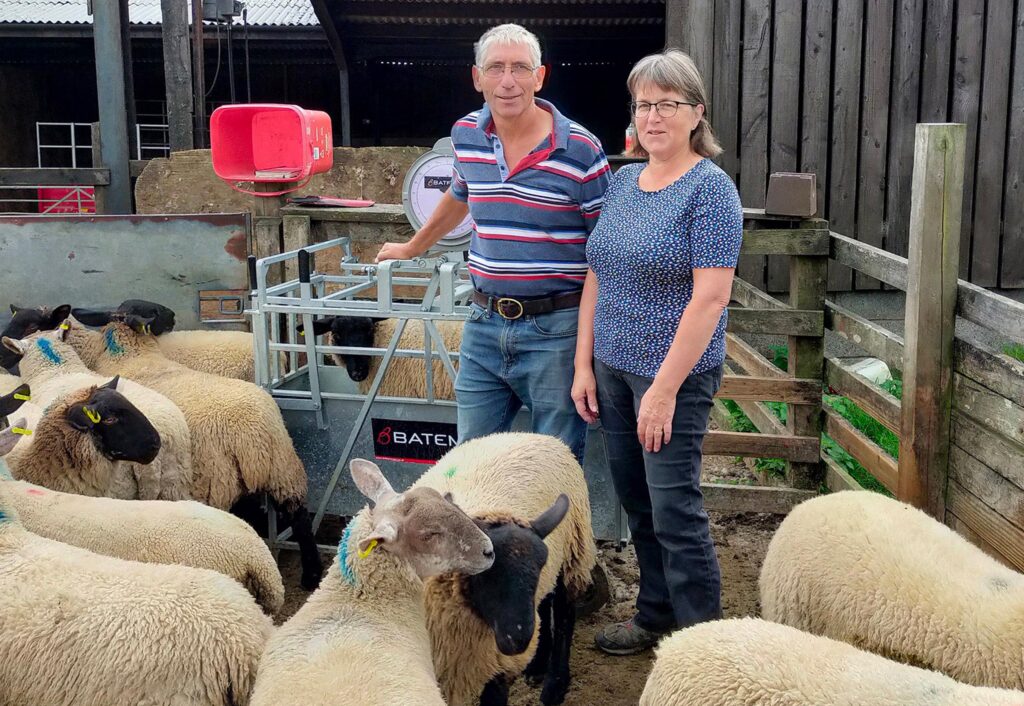
Bryan and Liz Griffiths © Agribusiness Communications
They found disease pressures vary throughout the year and many farmers struggle to implement all five measures consistently.
Ruth said the revised plan would place greater emphasis on Codd.
New practical resources for farmers and vets will be made freely available through an online hub launching later this autumn.
In the meantime, ahead of the autumn breeding sales, farmers are being urged to quarantine incoming sheep and cull persistently affected animals to help limit the spread of disease.
What is contagious ovine digital dermatitis?
The disease was first identified in the 1990s and is caused by Treponema spirochete bacteria.
In most outbreaks, other diseases, such as foot-rot, are present.
Clinical signs include a sore or ulcer beginning at the coronary band extending downwards, often involving the whole hoof.
It is believed to be linked to bovine digital dermatitis and could be spread through co-grazing, although more work is required to understand these risks.
On sheep farms, it is spread from sheep to sheep, much like foot-rot and scald.
Ruth Clements was speaking at the NSA Sheep Event at Malvern on 28 July 2026.