

What to do if you have trespassers on your livestock farm
 © Stephen Bell/Alamy Stock Photo
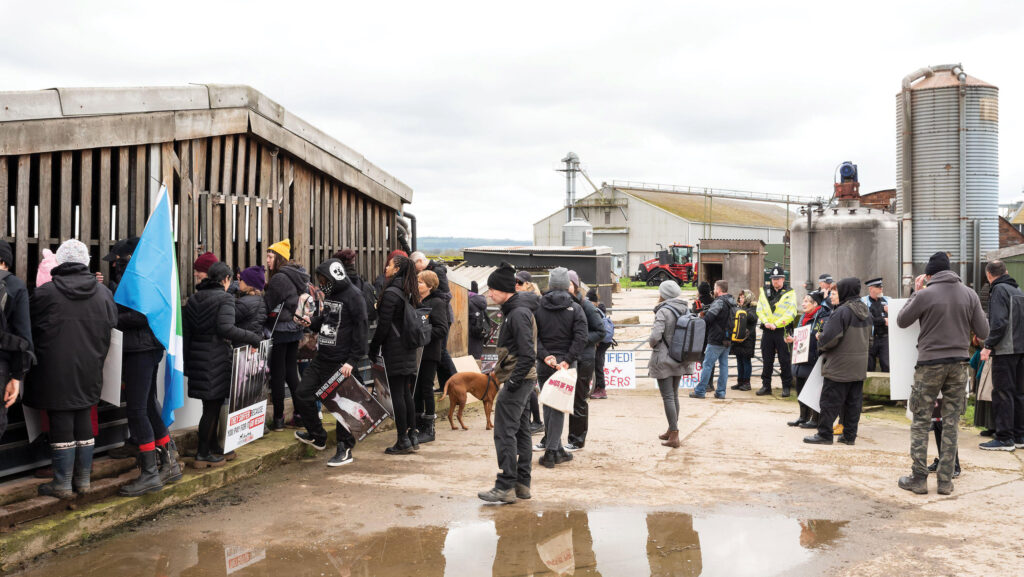
 Videos made by animal rights activists and shared on social media pose reputational risks to agriculture, but the physical presence of activists on your farm adds another layer of complexity.
The law is not as rigorous in this area as many might expect, says Rupert Wailes-Fairbairn, divisional director at insurance broker Lycetts.
Trespass is not classed as a criminal offence and, in most cases, it is not a matter for the police.
See also: What to do if you’re a victim of… vegan activist incursions
However, he advises farmers to talk to unwelcome visitors and politely ask them to leave.
If they refuse, become threatening, or prevent you from carrying out your work, harass or obstruct, this may constitute a criminal offence, and in such cases, Rupert says it is wise to call the police.
“You should also call the police if trespassers interfere with farm operations or livestock, as this can amount to aggravated trespass or a safety risk,” he says.
Limited duty of care
Under the Occupiers’ Liability Act, farmers owe trespassers a limited duty of care.
This requires farm owners not to intentionally harm intruders (such as spraying them with slurry) and to take reasonable measures to address known hazards.
However, the law does not automatically favour the trespasser if they are injured.
“Your level of responsibility depends on whether they were authorised to be there,” he adds.
Rupert also suggests that farmers should try to move activists away from livestock, as they can become agitated and stressed, but is clear that staying safe remains a priority.
“Be firm when speaking to activists, but remove yourself from the situation if it becomes threatening to you, and possibly also to your staff,” he advises.
Poultry and egg producers have been issued with guidance if they find that their farm has been broken into and the birds filmed.
The advice has been produced in co-operation with British Lion Eggs, the British Egg Industry Council, the British Free Range Egg Producer Association Association (BFREPA), NFU Scotland and the Ulster Farmers’ Union.
Their advice to farmers in a “live” situation, such as a “sit-in” in the poultry shed, or if they are worried or feel threatened in any way, is to phone the police on 999.
Producers should collect as much useful information as possible – for example, car registration plates and details, descriptions of the persons involved, names and phone numbers.
Emotional toll
Having to deal with visits from activists is upsetting, says British Egg Industry Council support group chairman Clair Bullen.
She knows of at least three producers who have had trespassers in their poultry sheds.
“The events were traumatic for them, and looking back, they felt they had to defend themselves immediately, when they didn’t.
“They should have taken the time to gather their thoughts and then take the appropriate action,” she says.
Victims, she adds, told her they felt very alone and isolated at the time.
“On egg and poultry farms, you often have women working on their own, and that’s absolutely terrifying for them – it’s important they know they can call their packer, union or trade association for help.”
Rural crime teams
To prevent trespassers from gaining access to livestock buildings, Clair suggests contacting your police rural crime team and working with them.
“Get them to come to your farm to have a look, so that they know you and your business,” she says.
She explains that the rural crime team can help provide advice on appropriate security measures, and help you to understand your farm’s weak points.
“Apply the principle of, if you had to break into your own shed, how would you do that? That sort of mindset is quite helpful,” adds Clair.
She suggests looking at websites such as Secured by Design, an official police security initiative, for help.
If this is not an ongoing event and occurred in the past, industry bodies advise farmers to contact their local police teams to inform them anyway (this creates a police record).
If appropriate, ask them to attend the farm for further security advice.
Staff screening
© Tim Scrivener
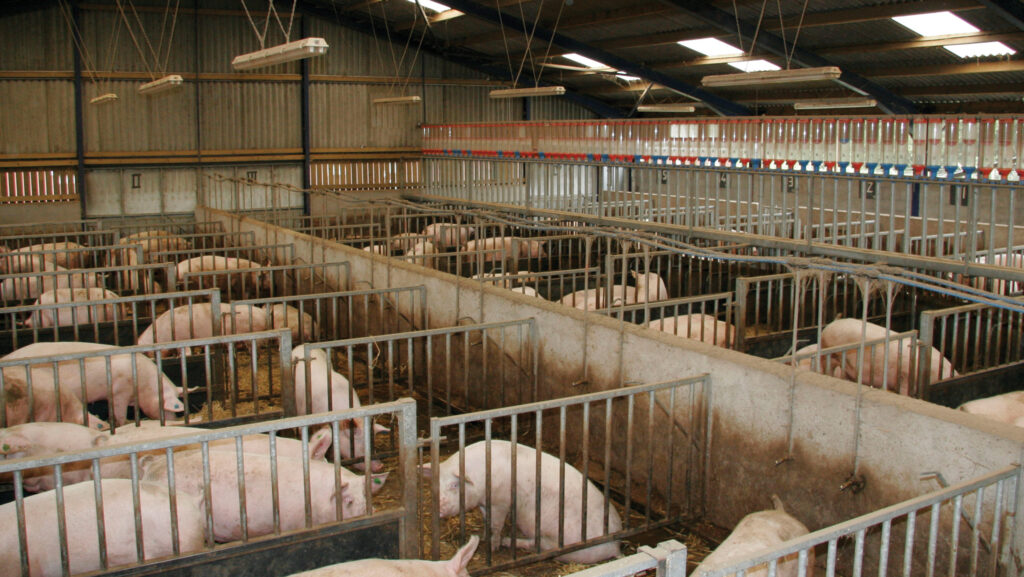
Pig farms seem to be under attack from activists posing as staff.
This is why Stephen Waite, Cranswick’s commercial director for farms (pork division), says it is vital to know who your staff really are.
One of the pig producer’s farms had an employee who carried out undercover filming.
It now uses a third-party company to screen potential recruits on social media to better understand who it is considering employing.
“It’s also important to have an awareness from staff about new members, and spotting those who are just overly interested in certain areas of the farm and certain practices,” he advises.
Hidden cameras
Activists often hide cameras around sites, to collect later, and Stephen says there are clues to look for.
“The cameras tend to record in very high definition with audio and are very small, but their battery packs only last around two days, so they’re in and out very quickly,” he explains.
Often, there is no interaction with staff, and cameras are planted at night. Because the kit and battery packs emit heat, the Cranswick team now uses infrared-seeking cameras to locate them.
“The other thing we realised is that when these cameras are powered up, they emit a wi-fi signal. If you suddenly get five or six new networks pop up, there’s something strange going on.”
Other things to look out for are signs of disturbance: activists tend not to truly break in, says Stephen.
“They’ll find some sort of weakness in your site, whether it be a loose fence panel or a gate that wasn’t properly tied back, so try and look at things that are out of the ordinary.”
With trespassers frequently operating at night, CCTV is valuable addition for farm security, says Stephen.
“We monitor our sites 24 hours a day with artificial intelligence- enabled cameras, which alert us when an unknown person is in view of them,” he adds.
Avoid confrontation
When Cranswick farm staff find trespassers on the yard or in sheds, they have been advised not to approach them, but to call senior management and stay in the office.
“A lot of these people will have bodycams on, and some are pretty active on YouTube, and are very antagonistic,” says Stephen, who points out that it is best to avoid a war of words.
After a disturbance
© Tim Scrivener
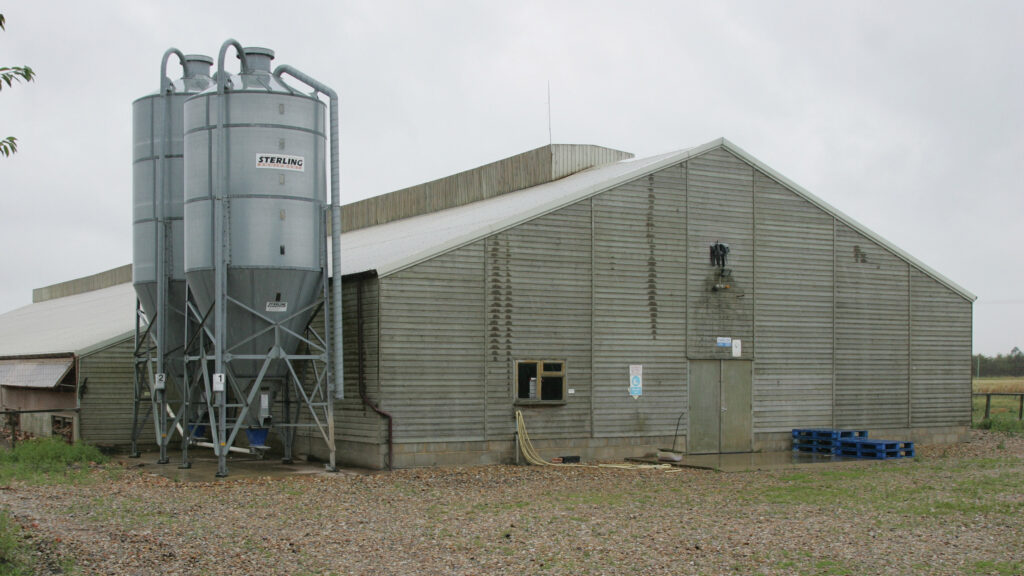
BFREPA advises its producers to arrange a vet visit to inspect the birds and produce a written report, if they suspect someone has gained access to their shed – even if this occurred some time ago.
Head of strategy Gary Ford says activists often hold onto footage for months before releasing it. By then, the flock might have been depopulated.
“Farmers can’t defend themselves as the flock of birds that were filmed are no longer on the farm and the only evidence – other than farm audits – is the film,” he says.
“This [vet] report may not ever be needed, but is enormously helpful to rebut their allegations.”
Having the right insurance cover can help take the stress out of these situations, says Rupert. Cover for malicious damage, theft, and mysterious disappearance is advisable.
“Two other policies worth looking at are ‘straying in transit’ cover – when activists interfere with enclosures and stock escape from the farm – and ‘in premises straying’ cover, where [released] animals might cause a stampede on your farm,” he explains.