

How smart ear tag data shows scope for tailored calf rearing
 © ABC Communications
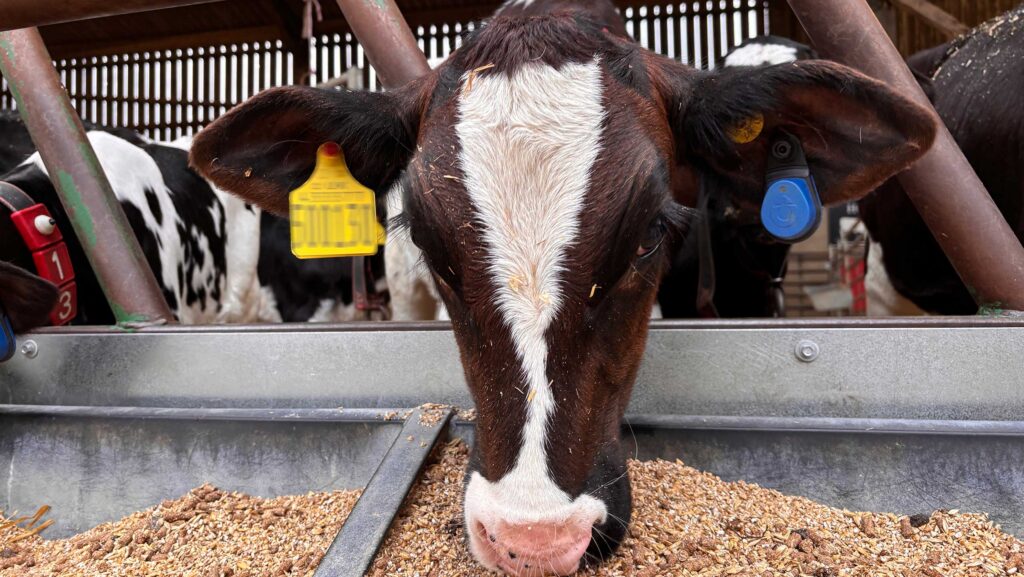
Large heifer-rearing operations in the US are using smart ear tag data to assess the effects of management on calves by analysing their rumination patterns before and after changes.
See also: Benefits of smart ear tag calf data for targeted treatment
Tracking health events and activity behaviour supplied by the SenseHub tags is also being aligned to growth rates and longevity.
This means businesses are moving on from just calf health alerts to monitoring their whole heifer-rearing enterprise, says vet Dr Jennifer Wilson from Merck Animal Health (known as MSD Animal Health in the UK).
“The calf gets the attention it deserves, and once you get past individual calf level, you can look at the whole system and how your management changes affect things,” she says.
Potential for wider monitoring
The ear tags can flag sickness two days ahead of a diagnosis by a good stockperson. Paying attention to these health alerts and taking early action have been shown to protect daily liveweight gain further down the road.
But the data generated by the tags 24/7 can also be useful to look at how each calf responds to any changes in rearing, says Jennifer.
These might involve diet or housing, or management decisions such as trialling two different vaccines. Data can also identify and help get vulnerable calves through specific transition points such as weaning.
Value of early rumination data
Rumination data is some of the earliest information captured in the young calf’s life – they begin to ruminate from two to three weeks of age – and reflects differences in development stage between individual calves.
Jennifer explains that adult Holsteins ruminate for 100 minutes/day more than Jersey cows, “and that difference starts as calves”. Therefore, analysing this data set offers insight into how the calf is coping in its environment.
Link between rumination time and pneumonia risk
Jennifer worked with one farm contract-rearing 40,000 heifers a year. She says that when the three-day rumination average for individual calves was compared, lower rumination times were found to be related to cases of respiratory disease.
In calves ruminating for less than 50 minutes a day, 16% had pneumonia within 10 days of moving out of hutches. Yet only 8% of calves ruminating for 100-150 minutes a day, on average, succumbed; this dropped to 4% in calves ruminating for 151-200 minutes a day.
Establishing this link between rumination time and pneumonia presents rearing units with an opportunity to adapt their management strategies, she points out.
Instead of moving all calves out of hutches at once, a different route can be selected according to a calf’s stage of development. Individuals could be held back until they are ready, move to a hospital pen, or the group given blanket treatment.
Data analysis
Analysing data once a week or month is sufficient to highlight any issues across the heifer-rearing enterprise. Group reports produced by the software are still in development for young calves, but Jennifer says data can be pulled into a simple spreadsheet.
“[You can then compare] a major event such as [bad] weather or feed change before and after. Or if you have a bunch of losses, you can troubleshoot.”
Calf-rearing basics come first
She stresses, however, that owners and staff need to get the basics of calf and heifer rearing right before monitoring calves. A smart tag is “a nice management tool, not a Band-Aid [sticking plaster]”, nor is it a diagnostic tool, just an early predictor of disease.
Everyone has to learn to trust the technology and agree to follow the protocols for what to do with alerts, she adds. “The challenge is to change the way you manage. It’s hard to transition and trust a piece of paper.”.
Dr Jennifer Wilson was speaking at a Dairy Calf & Heifer Association (US) webinar on calf behaviour monitoring.