Reinstating rear seats in commercial-spec 4x4s – the rules
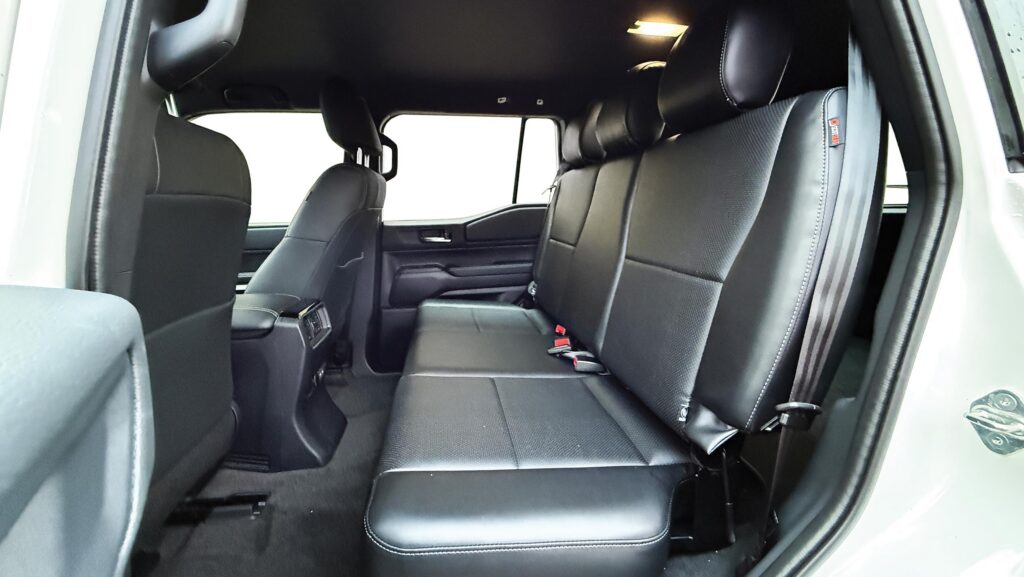 Toyota Land Cruiser Commercial after its rear seat re-fit © Sterling Automotive
 When HMRC reclassified double-cab pickups as cars for some taxes, it made it more expensive to run a work vehicle that could also carry passengers in the back.
Those needing one as a company car were hit hardest, but business owners also lost out on capital allowances.
For those looking to avoid the extra expense, commercial-spec SUVs such as the Land Rover Discovery and Toyota Land Cruiser are one way to go.
See also: On test: GWM Poer pickup offers value for money
With the rear seating removed and a bulkhead installed, these modified trucks are treated as vans in the eyes of HMRC.
This can mean cheaper vehicle excise duty (VED), lower benefit-in-kind tax rates (BIK), reclaimable VAT and the ability to claim 100% of the cost against tax in the year of purchase.
Keen to exploit this loophole further, manufacturers have begun applying the same principle to double-cab pickups.
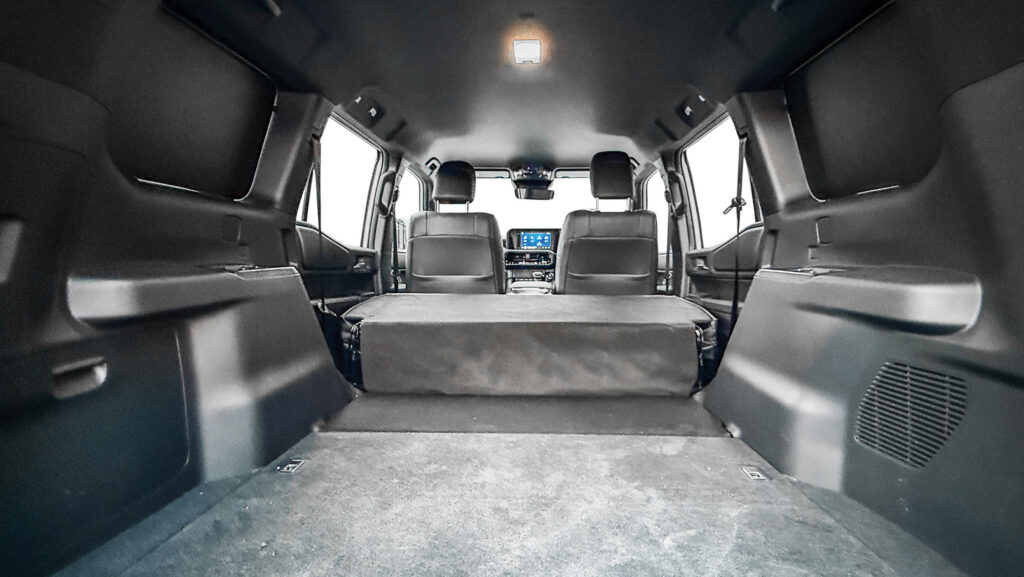
By converting the passenger compartment to a secondary load area, these revert to the fully commercial status they previously enjoyed.
Reinstating seats
For drivers who never need to carry anyone in the back, this type of vehicle is ideal – for those who do, they’re no good whatsoever. This is where conversions come in.
For a fee of £3,500 or so, various companies will offer to reverse the commercialisation process.
They’ll pull out the bulkhead and load-bed floor, fit new seats to match the fronts and take any coverings off the windows.
Pay a little extra and they’ll reactivate the electric windows, too. There’s nothing wrong with doing any of this, providing the work is carried out properly by a professional outfit.
© Sterling Automotive
Legal obligations
But here’s the rub – there is an obligation to declare this work to various authorities and doing so could reverse many of the financial incentives.
First, it’s essential to inform insurance companies of the changes – they will likely request a certificate of conformity, which any reputable conversion firm will be able to supply. Premiums could rise as a result.
The vehicle’s V5C should be updated too, so that it shows the actual number of seats fitted in the vehicle, and the DVLA may alter the VED.
Commercial vehicle tax incentives
- Annual investment allowance – up to 100% first-year tax relief on the purchase price
- Lower rate vehicle excise duty (VED) – typically £360 in 2026
- Recoverable VAT
- Benefit-in-kind (BIK) fixed taxable rate – typically £4,170 in 2026
HMRC is the final one to inform, which might lead to rises in VAT, BIK and capital allowances, particularly if the changes are deemed to be permanent.
Some who get their vehicle converted will choose to keep schtum, but there’s always a risk that one of the above parties could start probing.
Like most things tax related, there are some grey areas – those who know their way around the rule book could well work them to their advantage.
Common conversions
For anyone keen to get a professional rear seat conversion carried out, Scot Seating is one of the biggest suppliers.
It has a network of approved installers throughout the UK, which includes Lancashire outfit Sterling Automotive.
Once its fitters get their hands on a vehicle, they remove the bulkhead and wheel well infills, fit a bench seat, add carpet infills and uncover the windows.
Prices to convert a Land Rover Discovery 5 Commercial or Defender 110 Hard Top start at £3,700.
The Defender 90 is priced from £3,500 and the Toyota Land Cruiser Commercial £3,300.
Spend a little extra and it’s possible to have the electric window controls reactivated, getting these vehicles back to near factory-original specification.
Entry-level prices tend to include cloth fabric, but factory-original leather and custom options are also available. The firm is also considering adding commercial-spec double-cab pickups to its repertoire.