

Contractor builds app to identify and source machinery parts
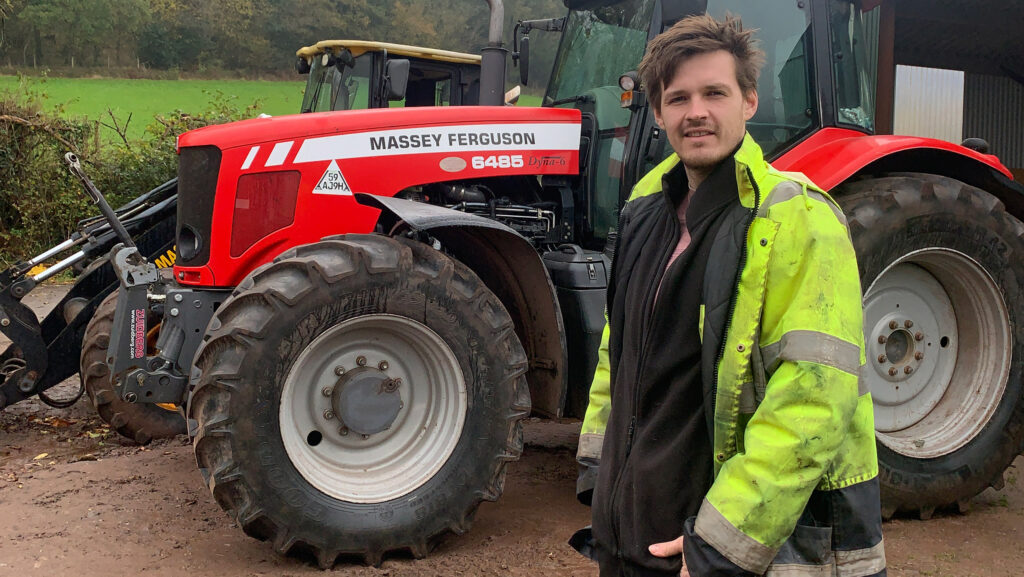 Chris Powell © Chris Powell
Farmers attempting in-house machinery repairs can call on digital assistance through a new parts identification app.
MachMatch has been developed by contractor Chris Powell, based in Llanthony, Monmouthshire, who runs – and regularly repairs – an assortment of second-hand equipment.
He was inspired to exploit artificial intelligence (AI) after struggling to identify a part he had stripped from an old Renault 106-54. TikTok provided the answer on that occasion.
See also: Why farmers are installing ultra accurate CNC plasma cutters
But he now has his own system, which works in a similar way to those used by amateur gardeners attempting to distinguish botanical friends from foe.
He spent his summer evenings learning how the software works before embarking on the build project, which has taken two months so far.
It uses Anthropic AI to mine the depths of the internet to identify the part in question, detail its specification and explain what it does and how it works.
It will also summarise its condition, offer maintenance and troubleshooting tips, and translate error codes.
In time, Chris plans for it to serve up a list of genuine and aftermarket replacement options from various retailers, including local dealers and parts stockists such as Sparex, Agriline and Kramp.
© OM HEIC
How does it work?
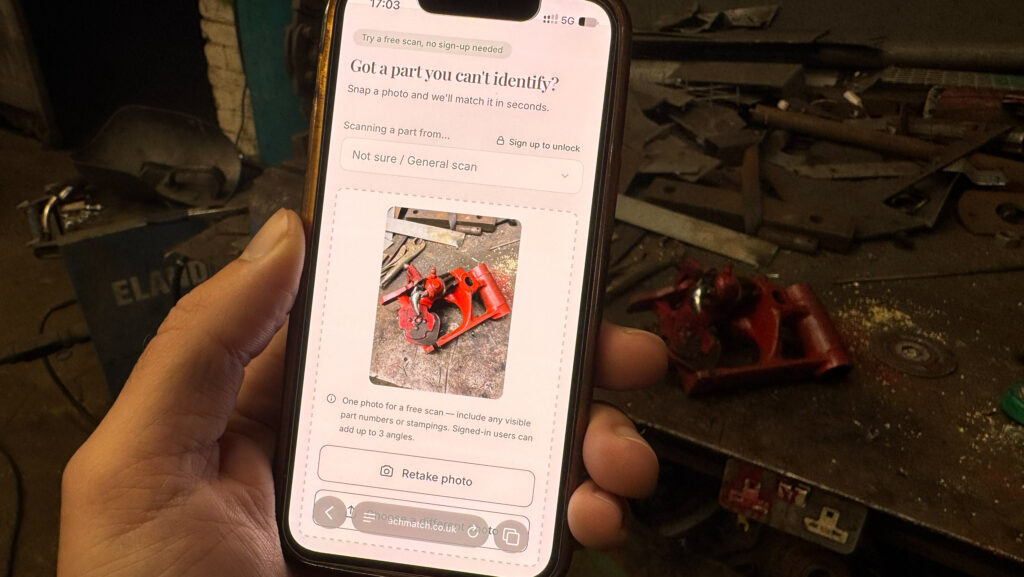
Users simply take a picture of the offending item and, to fast-track the search process, add the machine make, model and year of production.
“Not everyone has a machinery-minded person around, especially new starters,” says Chris.
“It will show them everything they need to know – the thread type, bolt size and how to maintain said part.”
There is a limitation, of course, in that this information must exist online in the first place.
Seldom-seen components from a vintage binder might be a stretch too far. But he reckons the system should recognise all common parts.
And, the more people use it, the more they feed the data-hungry search engine, so its accuracy will only improve.
“The aim is for it to be useful for anyone running machinery,” he says.
“There’s nothing like it in the agricultural sector and, though many farmers are understandably resistant to technology, I hope it could save them a lot of time – especially those running equipment to high hours.”
Parts marketplace
The next step is to connect farmers on one side of the app with suppliers and/or engineers on the other to create a bona fide parts and services marketplace.
For repairs requiring expert help, the app could also point flummoxed fixers towards specialist firms, such as those that deal electronics. Dashboards, screens and control units spring to mind.
Further down the line, he plans to integrate classified adverts from eBay and the like, allowing users to view, compare and purchase second-hand replacements.
“The end goal is to be a parts platform where farmers can buy components for the best price, check stock levels or contact local businesses,” he says.
For now, there are two versions of MachMatch. The first is free to use and permits five parts searches a month.
These provide basic identification and partial maintenance advice.
Upgrading to the £4.99/month Pro package grants limitless searches, servicing guidance and replacement options.
Pro users can also store their machine details on the app – model, build year and serial number – to save the rigmarole of filling them in every time.
A means of adding service date notes is in the works, too.
With no advertising budget, Chris took the unusual approach of launching the business to the youth of TikTok and gained over 20 users on the first day.
Mainstream manufacturers clearly have more clout and are building similar parts identification platforms, though these are restricted to their specific brands and won’t share second-hand or aftermarket replacement options.
Anyone interested in MachMatch can run one trial scan via the website without entering any sign-up details.