

Avian flu confirmed at Lancashire poultry farm
 © Tim Scrivener
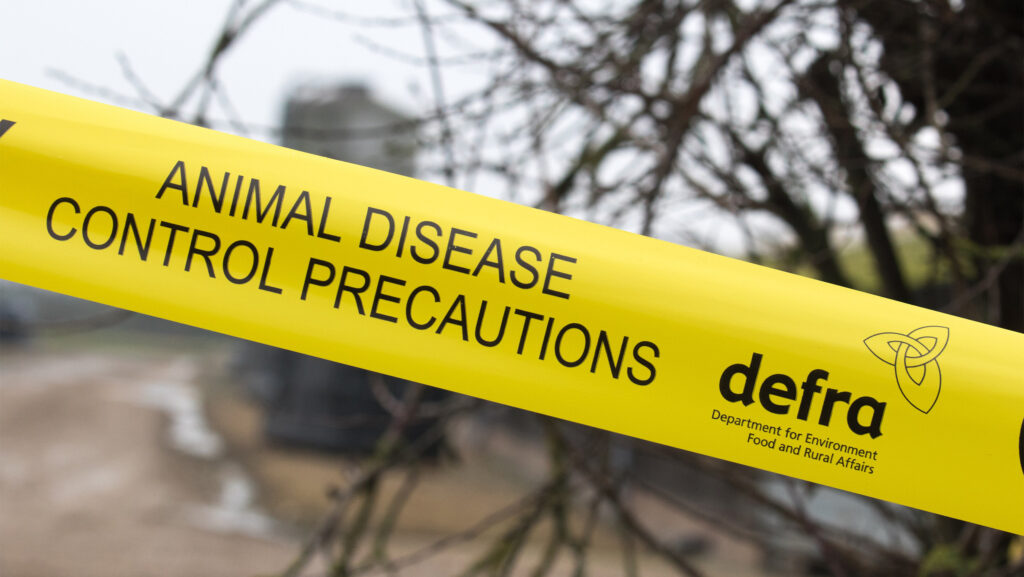
A fresh outbreak of highly pathogenic avian influenza has been confirmed at a mixed commercial poultry farm near Garstang, Lancashire, prompting emergency restrictions across the area.
Defra confirmed the H5N1 case on 7 November in the commercial flock which comprises seasonal turkeys and geese.
See also: UK records first bird flu outbreak of the season
A 3km protection zone and 10km surveillance zone have been established around the premises, restricting the movement of birds and poultry products. All poultry on site will be humanely culled.
A second case was confirmed on the same day at a commercial poultry premises with 14,000 free range layers near Pocklington, East Riding of Yorkshire, with identical disease control zones and culling measures.
Six cases this season
The two new outbreaks take the UK total to six for the 2026-27 season – five H5N1 cases and one H5N5.
The first case was detected in Scotland on 2 October, involving H5N5 at a premises near Ness, on the Isle of Lewis. England’s first case, involving H5N1, was confirmed near Belford, Northumberland, on 19 October.
Further H5N1 cases were confirmed near Biggar, Scottish Borders, on 2 November, and near Brigg, North Lincolnshire, on 4 November.
Wales and Northern Ireland have reported no cases this season.
The UK has lost its highly pathogenic avian influenza (HPAI) disease-free status with the World Organisation for Animal Health (WOAH).
What keepers must do
The Animal and Plant Health Agency (Apha) has urged all bird keepers to remain vigilant and follow stringent biosecurity measures.
Those within a disease control zone must comply with the relevant restrictions and may need a movement licence to move birds, eggs or other poultry products.
Poultry and most captive birds cannot be vaccinated against bird flu in England, making biosecurity the main line of defence.
Defra’s current assessment puts the risk of poultry exposure as low, with high uncertainty, where biosecurity is suboptimal or poor, and very low, also with high uncertainty, where stringent measures are consistently applied.
The risk of HPAI H5 infection in wild birds is medium.
Keepers should report suspected disease promptly and take steps to prevent contact between poultry and wild birds.
Anyone finding dead or sick wild birds should not touch or move them and should report them to Defra.
Bird gatherings outside disease control zones remain permitted, subject to the conditions of the relevant general licences.
Public health
The UK Health Security Agency (UKHSA) says the risk to public health is very low, while the Food Standards Agency (FSA) assesses the food safety risk as very low.
Properly cooked poultry and poultry products, including eggs, are safe to eat.
Farmers and bird keepers can find the latest outbreak details, disease control zone maps and biosecurity guidance on Gov.uk.