

Bird flu housing order imposed across England as outbreaks rise
 © Tim Scrivener
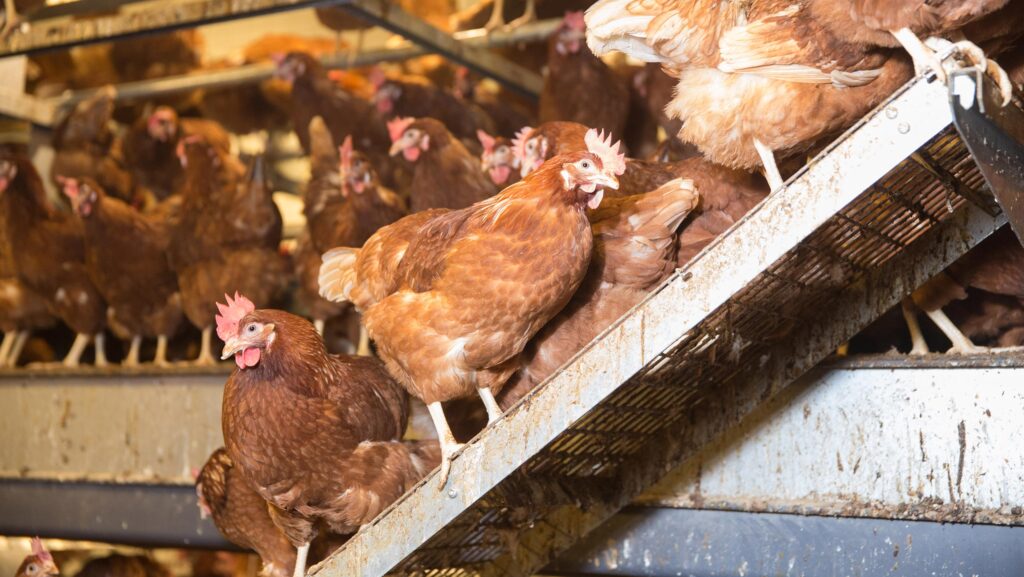
Poultry producers across England must house their birds from Friday (13 November) as the government tightens disease controls following seven confirmed bird flu outbreaks.
The mandatory housing order, announced by UK chief veterinary officer Christine Middlemiss, follows increasing detections of highly pathogenic avian influenza (HPAI) in commercial flocks and wild birds.
See also: Scotland declares nationwide bird flu prevention zone
The measures apply to premises keeping 50 or more poultry or captive birds, subject to limited exemptions.
Smaller flocks must also be housed where keepers sell or give away eggs, poultry products or live birds.
Ms Middlemiss said: “Bird keepers are urged to comply with the housing measures and to exercise robust biosecurity, remaining alert for any signs of disease and reporting suspected disease immediately to the Animal and Plant Health Agency (Apha).”
An England-wide Avian Influenza Prevention Zone (AIPZ) has also been introduced with immediate effect, requiring enhanced biosecurity measures from all bird keepers, regardless of flock size.
Outbreaks
The decision follows seven confirmed outbreaks in kept birds across Great Britain since 1 October, comprising five H5N1 cases in England and two Scottish outbreaks involving H5N1 and H5N5.
The latest case was confirmed on 9 November at a commercial poultry premises near Dersingham, Norfolk, where all birds will be culled.
Two further H5N1 outbreaks were confirmed on 7 November, involving seasonal turkeys and geese near Garstang, Lancashire, and 14,000 free-range laying hens near Pocklington, East Riding of Yorkshire.
Tougher biosecurity requirements
Under the new restrictions, poultry keepers must strengthen measures to prevent disease entering their premises and spreading between flocks.
Requirements include:
- Disinfecting footwear, clothing, vehicles and equipment
- Restricting movements around poultry housing
- Maintaining effective vermin control.
Keepers must also protect feed and water from wild birds, prevent poultry accessing watercourses and regularly clean and disinfect housing.
“Having avian influenza confirmed in your flock can be devastating, I understand the impact this disease can have on the poultry sector and am extremely grateful for the continued cooperation of the industry,” added Ms Middlemiss.
Keepers are urged to remain vigilant and report suspected disease immediately to Apha.
Christmas turkey supplies
Despite the outbreaks, Defra said it does not currently anticipate any overall impact on Christmas turkey supplies, with about eight million turkeys produced annually in the UK.
Public health authorities maintain that the risk to human health remains very low, while properly cooked poultry and eggs remain safe to eat.
Industry response
NFU Poultry Board chair Will Raw said it was a welcome and proportionate step to help reduce the risk of disease affecting flocks.
“The housing order that takes effect from Friday for the whole of England should help prevent any further outbreaks of this devastating disease, and we now urge the devolved administrations to consider where risk dictates to extend these measures to protect the national flock.”
British Free Range Egg Producers Association head of strategy Gary Ford also welcomed the decision: “Hopefully this news will bring some comfort to free range producers across England.”
Mr Ford reminded keepers to sign up to the Poultry Biosecurity Review – a government-funded veterinary-led scheme providing tailored, site-specific advice to help poultry keepers reduce disease risks, particularly avian influenza, and improve flock health and welfare.