

Bluetongue vaccine stocks were diverted from UK to Europe
 © Oli Lees
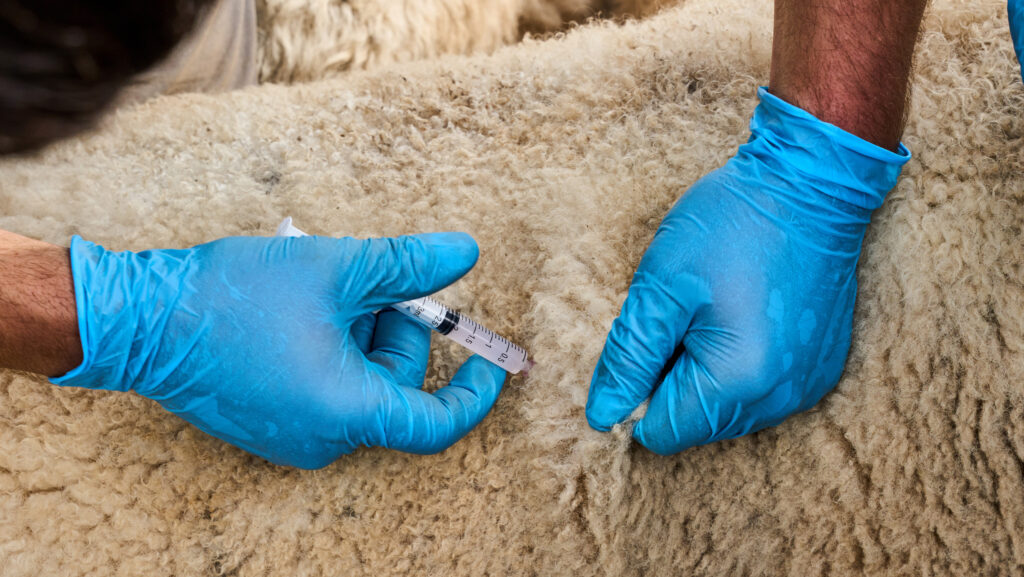
Bluetongue vaccine stocks were redirected from Britain to European markets earlier this year after low demand from farmers left manufacturers facing potential wastage.
The Veterinary Medicines Directorate (VMD) confirmed that insufficient early orders meant supplies were unavailable in sufficient quantities when the BTV-3 outbreak accelerated during July.
See also: Sheep farmers signal strong BTV-3 vaccine demand for 2027
There have been 3,472 BTV-3 or unspecified serotype positive premises across the UK this season, including 2,917 in England, 500 in Wales and 55 in Scotland.
Giving evidence to the Environment, Food and Rural Affairs (Efra) committee on Tuesday (3 November), VMD chief executive Abigail Seager acknowledged that the mismatch between supply and demand had contributed to shortages.
“What’s happened this summer is that there was insufficient demand for the stocks to be maintained within GB to be able to then respond in July,” she told MPs.
Manufacturers had redirected stocks elsewhere to avoid products expiring unsold, forcing the VMD to arrange emergency imports from Europe as infections spread.
“Nearly five million doses were brought in a very short period of time,” she said.
A further five to six million doses were expected to arrive by April 2027, she added.
Vaccination campaigns
The committee also questioned why vaccination campaigns had failed to generate sufficient demand before the outbreak accelerated.
British Veterinary Association president Dr Gwen Rees said considerable efforts had been made to encourage vaccination, but acknowledged that “the messaging was there, but it didn’t penetrate”.
She said farmers faced difficult decisions over the cost of protecting livestock against an uncertain disease threat.
NFU chief animal health and welfare adviser Catherine McLaughlin said misinformation circulating on social media, including concerns about fertility, had further undermined confidence.
However, she stressed: “I don’t think we can say that misinformation was a sole cause or a sole problem.”
Vaccine costs, availability and uncertainty over local disease risks had also influenced farmers’ decisions the committee heard.
Improving vaccine supplies
Ms Seager acknowledged the need for better communication between manufacturers, regulators and the livestock sector to prevent future shortages.
“In normal times, outside of the outbreak, we wouldn’t be having a communication with manufacturers about what we anticipate demand to be,” she said.
Improving forecasting is now a central element of the VMD’s five-year vaccine strategy.
Wales’ chief veterinary officer Dr Richard Irvine has urged livestock keepers to plan ahead after 500 farms recorded confirmed BTV-3 cases this season.
He warned that the virus would persist over winter and could cause further losses next year.
“We have seen the devastating impacts in areas like south-west England this summer, and the same could well happen in Wales next year,” he said.
Dr Irvine urged farmers to discuss vaccination with their vets and place orders early, warning that delaying could leave them unable to secure supplies when demand increases.
He also advised keepers to check the bluetongue and vaccination status of replacement livestock before bringing animals onto their holdings.