

Bovaer and crop inhibitors under FAO spotlight
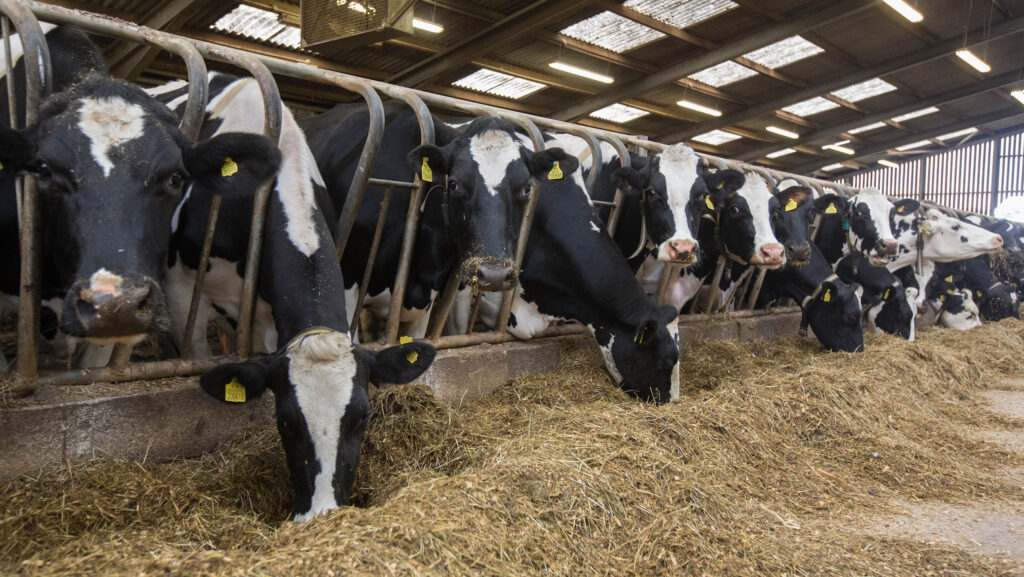 © Tim Scrivener
 The UN Food and Agriculture Organization (FAO) has issued new food-safety guidance on environmental inhibitors in agrifood systems, including methane-reducing feed additives such as Bovaer.
The move comes as debate continues in the UK over their role in cutting livestock emissions.
Published on 20 January, the report (Opens in PDF) outlines how regulators should assess whether these climate-focused compounds could leave residues in the food chain, including meat, milk, and crop-based products.
See also: Bovaer maker defends product after Danish farmer fears
The aim is to maintain consumer confidence while supporting greenhouse gas reduction from farming.
Environmental inhibitors include methanogenesis inhibitors, which cut methane from ruminant livestock, and nitrogen inhibitors designed to reduce nutrient losses from farmland.
FAO warns that because many are applied directly to animals or crops – or enter livestock via feed or soil – robust food-safety assessment is essential.
The guidance also highlights major differences in how environmental inhibitors are regulated internationally and calls for greater harmonisation of approval processes to avoid inconsistency and public confusion as use of these products expands.
“Work on environmental inhibitors is one of the key focus areas of the FAO Food Safety Foresight Programme, which aims to identify, monitor, and anticipate emerging food safety issues in rapidly evolving agrifood systems,” said Vittorio Fattori, FAO food safety officer.
Bovaer scrutiny
The report includes a detailed examination of Bovaer, a methane-reducing feed additive for cattle manufactured by Swiss-Dutch firm DSM-Firmenich.
Bovaer has attracted public scrutiny in the UK and EU, with some dairy farmers in Denmark reporting health and performance concerns in their herds.
These include reports of reduced feed intake, lower milk yields and digestive issues, prompting industry bodies to collect further evidence. However, Danish authorities and researchers have stressed that no causal link has been established and investigations remain ongoing.
FAO notes that regulators in the US, EU and UK have all concluded there are no consumer safety concerns, with studies showing the additive is broken down in the cow’s rumen and residues in meat and milk remain well below safe limits.
The FAO guidance comes as Defra faces pressure to demonstrate that emissions-reduction policies for livestock are supported by transparent science and regulation.
In the UK, Arla is trialling Bovaer on 30 farms with retailers including Morrisons, Tesco and Aldi to assess its potential to reduce dairy’s carbon footprint.