

Farmers hit as fly-tipping reaches record levels
 © CLA
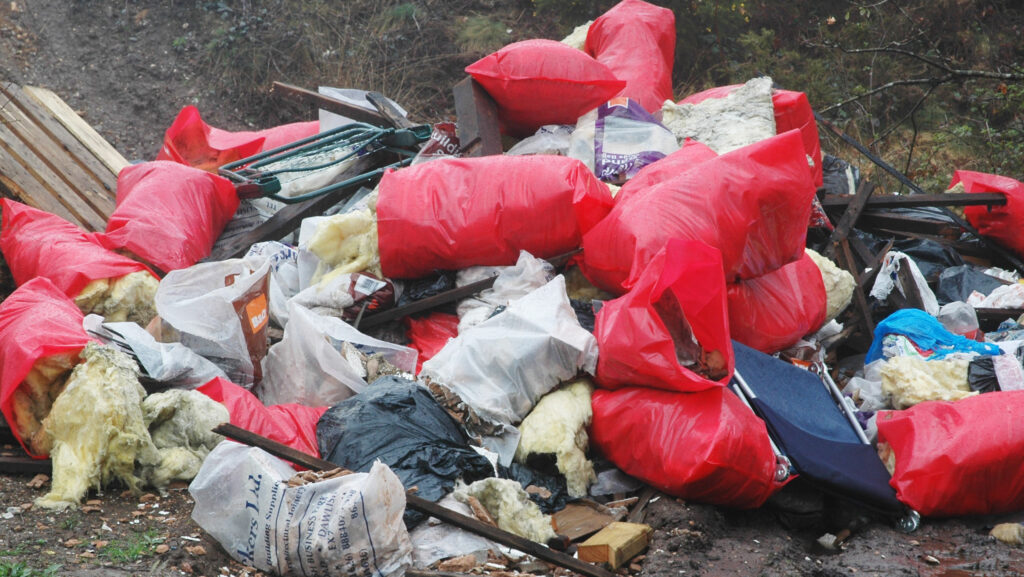
© CLA Farmers across England are facing rising clean-up costs and hazardous waste after 1.26m fly-tipping incidents were recorded in 2024-25, prompting new government advice on vehicle seizures.
The new guidance issued today (25 February) sets out how councils should identify, seize and crush vehicles used in illegal waste dumping, alongside advice on securing convictions.
Official statistics show local authorities dealt with 1.26m cases of fly-tipping on public land in 2024-25, a 9% rise on the previous year.
Councils carried out 572,000 enforcement actions, up 8% from 2023-24, including 69,000 fixed penalty notices.
See also: Crowdfunder raises thousands for farmer hit by fly-tippers
While the figures cover only public land, rural groups say the true scale is higher because incidents on privately owned farmland often go unrecorded.
The Country Land and Business Association (CLA), which represents farmers and rural businesses, said many of its members face repeated dumping.
CLA president Gavin Lane said: “Farmers and land managers have had enough. The countryside is increasingly being targeted by organised crime gangs – often violent – who know that rural areas are under-policed and resourced.
“It’s not just litter blotting the landscape, but tonnes of household and commercial waste which can often be hazardous – even including asbestos and chemicals – endangering wildlife, livestock, crops and the environment. Farmers are victims yet have to pay clean-up costs themselves.”
Survey
A CLA survey found almost three-quarters of responding farmers are affected each year, with some targeted several times a month.
The average cost of clearing a single incident is about £1,000, with many investing in CCTV, lighting and other security measures.
Colin Rayner, whose family farms across Berkshire, Buckinghamshire and Surrey, said: “Fly-tipping is out of control in the countryside. We wake up to loads of rubbish in the field or farm gateways.”
Cambridgeshire farmer George Hurrell said: “Not only is it a hazard for people and wildlife, but we also incur significant costs in having to clear the fly-tipping on our land. If we don’t remove it, we face being prosecuted.”
Guidance
Under the new Defra guidance, councils are encouraged to publicise enforcement action on social media, including images of seized vehicles being crushed, and to use surveillance tools such as CCTV, drones and automatic number plate recognition.
The CLA is calling for a national fly-tipping commissioner and measures to allow victims to dispose of dumped waste free of charge at official tips.