

How animal activists are changing tactics to target farms
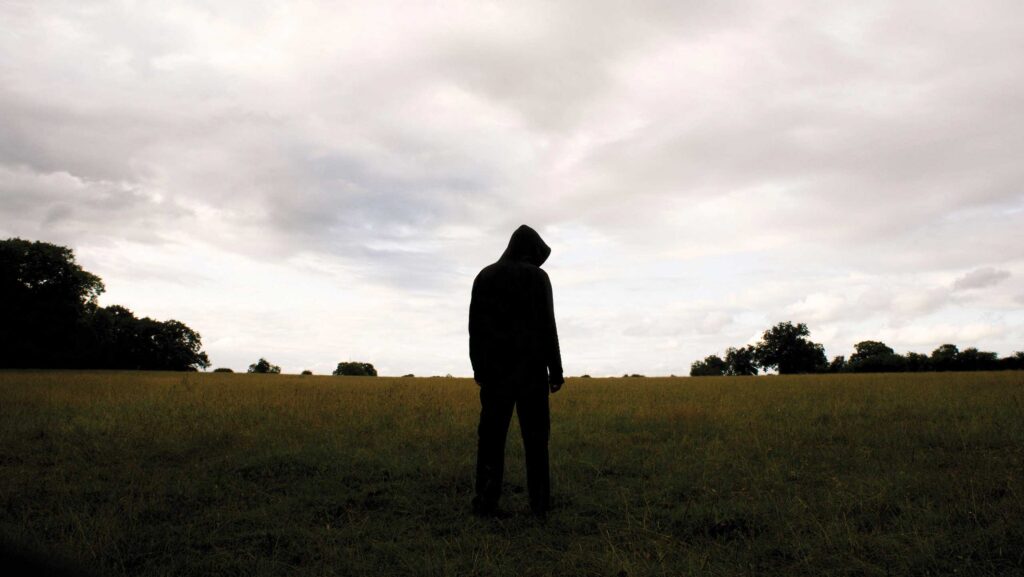 © Raggedstone/Alamy Stock Photo
 The nature of farm activism in Britain is undergoing significant change. Gone are the days when a broken lock, an open gate, or a group of demonstrators outside a farm entrance were the most obvious warning signs for livestock producers.
Today, farmers face increasingly sophisticated tactics, from covert cameras and drone surveillance to coordinated online campaigns and undercover investigations.
It is a stark sign of how animal activism, which is often funded by overseas philanthropy, is changing across the UK.
See also: Pig farmers warned over surge in activist incursions
Campaigns have now moved far beyond traditional demonstrations into sustained intelligence-gathering operations and the long-term targeting of farms, supply chains, assurance schemes and high-profile businesses alike.
Perhaps the most significant tactical evolution is the move towards long-term surveillance.
Hidden cameras
According to Lizzie Wilson, chief executive of the National Pig Association (NPA), high-tech, small hidden cameras, which are incredibly difficult to locate, are now among the most regularly used tactics against livestock farmers.
“In the past, activists often relied on photographs, which only capture a single moment in time,” says Mrs Wilson. “Cameras left on site for weeks or months are now used to create a much bigger picture.”
Also of concern is the ability of activists to edit footage to suit their own narrative, according to Robert Davies, a dairy farmer and the NFU’s vice-chairman of the National Dairy Board.
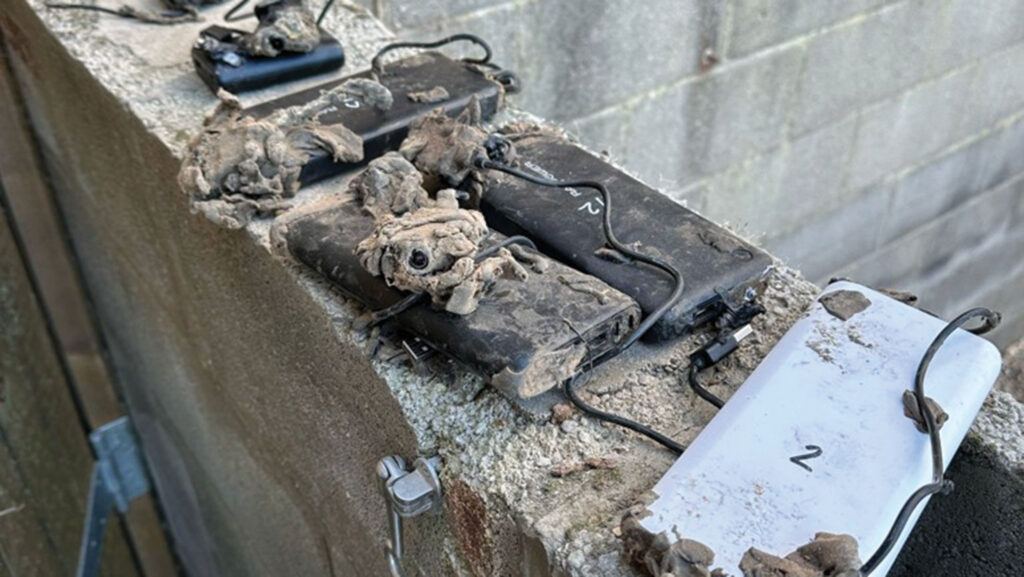
Hidden cameras planted by activists found on a UK farm © AIMS
Tony Goodger, spokesman for meat trade body the Association of Independent Meat Suppliers (AIMS), says farmers and meat processing businesses report finding tiny, camouflaged cameras hidden in sheds, loading areas, livestock handling facilities and hedgerows.
Some are sprayed black or blended into their surroundings with sticky mounting compounds, while others use portable battery packs tucked away out of sight.
This reality hit home for one prominent poultry producer, who asked to remain anonymous, after the business was targeted by activists.
The campaign began when an activist approached their farmhouse on a Sunday morning, posing as an investigative journalist to secure an interview under false pretences before launching online allegations. Soon after, multiple covert cameras were discovered overlooking livestock housing and grazing land.
“We found one camera and then several more within days,” the farmer recalls. “The reality is that modern devices are so small and so well hidden that you’re unlikely to spot them unless you’re actively looking or using a heat detector.”
Planning system targeted
Alongside physical surveillance, activist groups are increasingly exploiting publicly available data and digital tools to influence planning decisions, corporate behaviour and public perception.
Websites mapping livestock units, public planning documents, permitting records, and social media accounts can provide campaigners with detailed information about individual businesses and proposed developments.
Organised mass planning objections are being used to challenge agricultural developments.
Campaigns involving groups such as Communities Against Factory Farming (CAFF), which works alongside Animal Rising, an offshoot of Extinction Rebellion, encourage large numbers of objections to planning applications, potentially adding delays and financial costs to farm business developments.
Farmers Weekly has seen evidence of planning applications attracting hundreds of objections following activist-led campaigns, with many coming from people living outside the local area and overseas.
For example, one unnamed farm in Northumberland attracted 338 objections from across the UK, as well as from Spain, Germany, the Netherlands and the US. There was a lone local objector – the farmer’s neighbour.
“Local authorities should be aware of orchestrated planning application objections and develop their planning policy accordingly,” says Mr Davies.
Drone surveillance
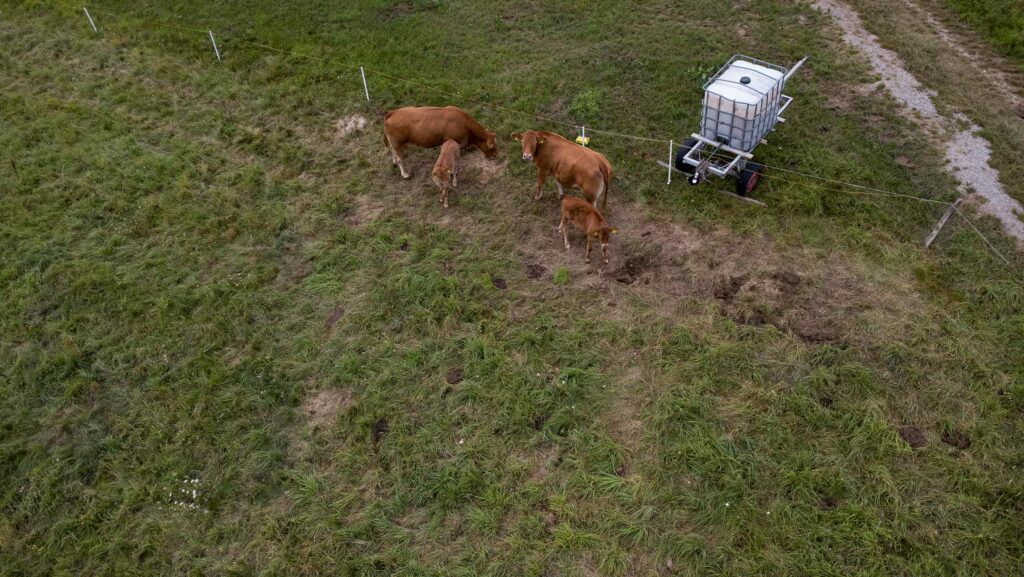
Drones remain a persistent headache for some livestock businesses. Mr Goodger says drones have become cheaper, making aerial surveillance easier and more accessible to campaigners.
Mrs Wilson says activists are most likely to use drones to capture overhead footage for campaign videos.
However, farmers frequently express frustration over inadequate police responses. Current guidance often leaves drone policing to individual constabularies based on perceived risk, meaning officers may not intervene even when illegal flyovers are reported on farms (see below).
Navigating the grey areas of drones over farms
While strict rules govern drone operators, regulations for farmers facing surveillance are “far less clear”, according to Hannah Leese, head of the regulatory affairs team at Roythornes solicitors.
© Adobe Stock
Ms Leese says farmers must navigate drone intrusions carefully, keeping several key points in mind:
- Watch for warning signs A drone that “loiters, circles or repeatedly returns over livestock units, farm buildings or a slaughterhouse should be treated as a prompt for increased vigilance,” notes Ms Leese.
- Never retaliate Farmers must avoid shooting down or damaging drones, as doing so “could expose them to criminal liability and civil claims”.
- Record everything Document time, location and identifying features, and retain footage.
Despite police and Civil Aviation Authority resource limitations, Ms Leese urges farmers to report every incident.
“If incidents go unreported, the scale of the problem remains hidden,” she warns, making documentation vital for future legislative reform.
“As with other rural crimes and threats such as hare coursing and fly-tipping, if farmers are silent, the authorities will feel little pressure to act,” adds Ms Leese.
Persistent activity should always be reported, even if only to representative groups such as the NFU.
Undercover investigators
Labour shortages in agriculture have introduced another vulnerability – the risk of staff being placed by activists on site.
Both the NFU and the NPA believe activist groups are increasingly placing sympathisers within farm workforces.
Mrs Wilson advises farmers to tighten recruitment protocols by carrying out rigorous background checks, obtaining written references and scrutinising candidates’ public social media profiles.
Animal Rising campaign
Against this backdrop, Animal Rising is preparing a new investigation-led campaign from 1 September 2026, centred on a series of undercover investigations targeting major farming businesses, assurance schemes and industry bodies.
The group says releases are staggered, with those published from 1 September representing only “the surface” of the investigations it has carried out.
Animal Rising says the campaign is focused on building pressure on government to phase out what it calls “factory farming” by 2040.
Its spokesman says undercover operations involving people accessing farms form a key part of the campaign and acknowledges the wider use of hidden-camera investigations by animal-rights groups.
Increase vigilance
Industry leaders say the best defence against growing activist activity is strict compliance, strong on-farm security, including better CCTV, lighting, invisible fencing, wi-fi security and clear internal procedures.
Farmers are being urged to scrutinise their daily operations as if an activist were watching through a hidden camera and to ensure staff understand the standards of animal husbandry expected of them.
“Livestock operators should ask themselves whether they would be comfortable being filmed, whatever they’re doing during their daily routines,” says Mr Davies.
Routine shortcuts or poor stockmanship that once went unnoticed can quickly become damaging when filmed and shared online.
Mr Davies notes that activists are far more likely to target high-profile livestock businesses supplying high-profile customers.
Mrs Wilson adds: “If it can happen to a large, professional business, it can happen to anyone.”
How to deal with activists on farm
An activist presence on farm can be stressful, but staying calm and avoiding confrontation is key, the NFU says.
Farmers should secure barns and other sensitive areas where possible and contact the police. Use 999 if there is an immediate threat; otherwise use the non-emergency contact number 101.
“Some activists may seek to provoke a confrontation, so it is important not to engage in arguments or respond to provocation. Do not attempt to physically remove protestors, as this could escalate the situation,” says an NFU spokesman.
If activists cannot immediately be removed, consider establishing a safe area where they can remain, minimising disruption to the business. Police may be able to support with this if they attend.
Keeping a clear record is also important, the NFU says. Where safe, photograph or film activity, record vehicle registration numbers and note times and locations. CCTV can provide valuable evidence and act as a deterrent.
Good preparation can make a significant difference. Review access points regularly and check gates, locks and fencing. Staff and family members should understand what to do, with an agreed protocol covering:
- Who contacts the police
- Who gathers evidence
- How visitors are approached.
The NFU says farmers targeted by activists should avoid reacting to media enquiries in the immediate aftermath of an incident, and can draw on support from its specialist press team to help communicate animal welfare standards and farm practices accurately.