

Dairy Roadmap seeks further cuts in methane emissions
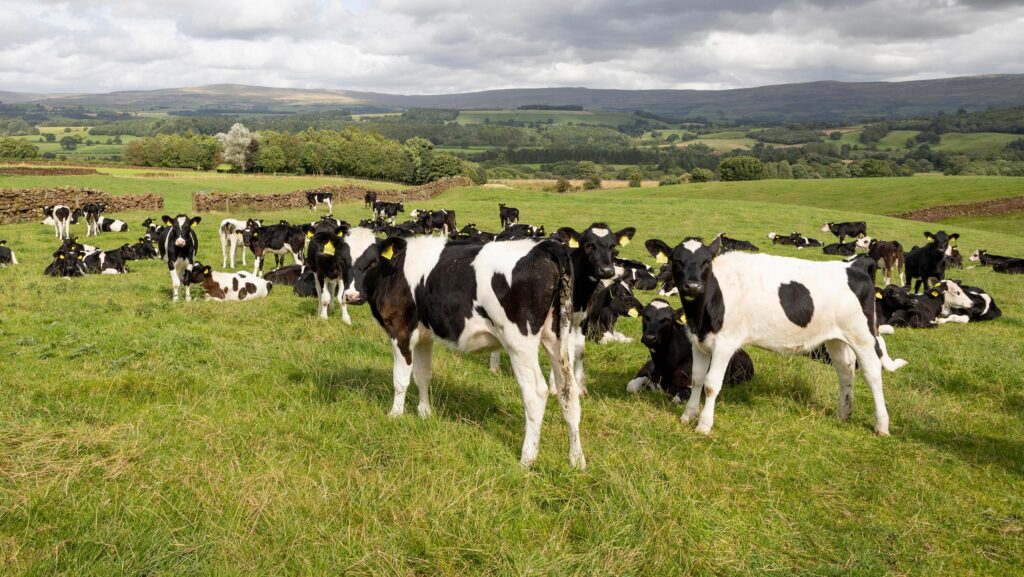 © GNP
© GNP Dairy farmers and processors have taken enormous strides to reduce their environmental impact in recent times, but now need to “scale up the strategies that work” to deliver a more resilient and sustainable industry.
A new report from Scotland’s Rural College, commissioned by The Dairy Roadmap (a consortium of producers, processors and retailers), shows that farm emissions per litre of milk have fallen by about 22% since 1990, while methane emissions are nearly 14% lower.
See also: Revamped Dairy Roadmap aims to unite supply chain
Industry data also shows greenhouse gas emissions have fallen by 9% in the past five years.
Speaking to journalists ahead of publication of the Sustainable Dairy Pathways: The Path to 2030 report, Dairy Roadmap chairman Bas Padberg said these reductions had primarily been a result of improved herd management and better feed efficiency.
“The 14% methane reduction is an average figure,” he said, explaining that there were plenty of “top performing” herds which had done much better than this.
The next stage would involve sharing their knowledge with the lower performing dairy farmers to spread best practice, said Mr Padberg.
As well as better herd management, there was a role for “lower methane” genetics and feed products which were “proven, authorised, socially acceptable and commercially viable”, he said.
Investment
Making further environmental gains would require considerable investment – estimated at about £2.4bn by 2030.
Spread across UK milk production of about 15bn litres a year, that was equivalent to 3-4p/litre on the value of milk, “depending on rates of adoption, grant support and co-investment”.
For dairy farmers, further gains in herd efficiency, animal health, cow fertility and nutrition were essential.
However, the greatest investment would be needed for better slurry and manure management “because it can deliver simultaneous benefits for climate, water, air and biodiversity”.
This would require financial support, which could come from both public and private sources, said Mr Padberg.
Retailers and milk processors would need to reward verified environmental outcomes, while policymakers should provide greater regulatory certainty as well as targeted investment.
“Finance providers also need to provide accessible lending that recognises the long-term value of environmental infrastructure and productivity improvements,” says the report.