

Defra consults on tougher sewage sludge rules
 © Tim Scrivener
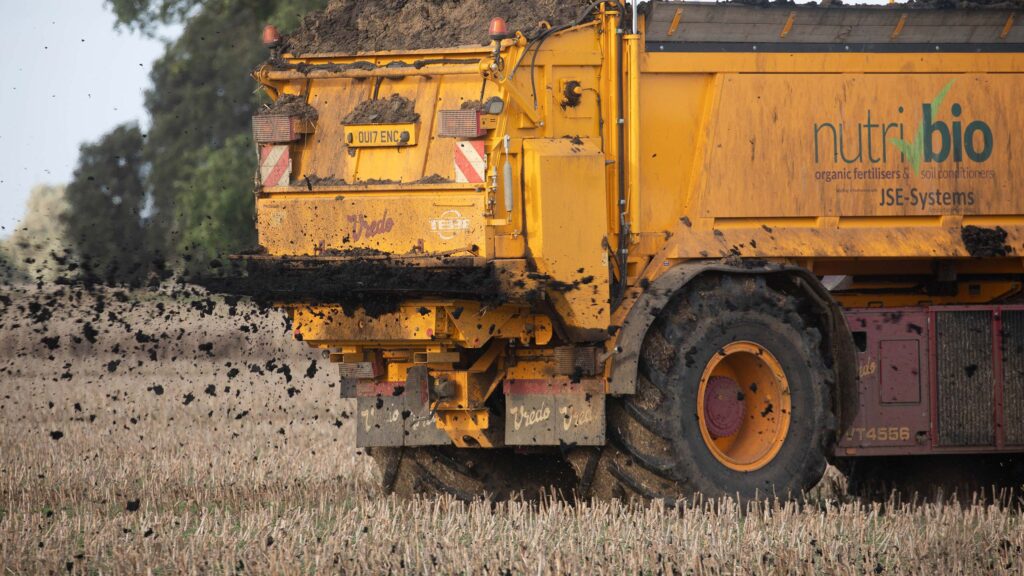
 Defra has launched a consultation on whether decades-old rules governing the use of sewage sludge on farmland should be tightened, replaced or scrapped altogether.
The consultation, published on 27 January, focuses on the Sludge (Use in Agriculture) Regulations 1989, which control how treated sewage sludge is stored and spread on agricultural land.
The regulations have not been substantially updated for more than 30 years, despite major changes in sludge treatment methods and growing concern over contaminants such as microplastics, pharmaceuticals and heavy metals.
See also: ‘Forever chemicals’ found in sewage sludge raises concerns
Sewage sludge is widely used across English agriculture as a source of nutrients and organic matter. About 94% of sludge produced by water and sewerage companies in England is recycled to farmland, covering around 1.9% of agricultural land.
Government policy has long supported land application as the preferred environmental option.
Defra said the consultation aims to assess whether the current framework remains fit for purpose and to improve confidence in sludge spreading practices among farmers, regulators and the public.
Three reform options are being considered:
- Revoke the 1989 regulations entirely and bring sludge treatment, storage and spreading under the Environmental Permitting Regulations, giving regulators greater powers to update standards as evidence evolves.
- Modernise the existing regulations, potentially alongside a charging scheme to support improved enforcement.
- Rely on a system of voluntary, non-regulatory standards, although Defra acknowledged this would provide limited oversight.
‘Long overdue’
Environmental campaign group River Action said the consultation was long overdue, arguing that outdated rules had allowed harmful pollutants – including PFAS “forever chemicals” and microplastics – to enter soils and waterways.
The group has repeatedly warned that sewage sludge speading poses risks to river health and public confidence, and has called for tighter controls and greater transparency over what is being applied to land.
Defra said any changes would need to balance environmental and health protections with the practical and cost impacts on farmers and the wider industry. Ministers will decide next steps after the consultation closes on 24 March 2026.