

Defra demands £610,000 from farmers in TB compensation clawback
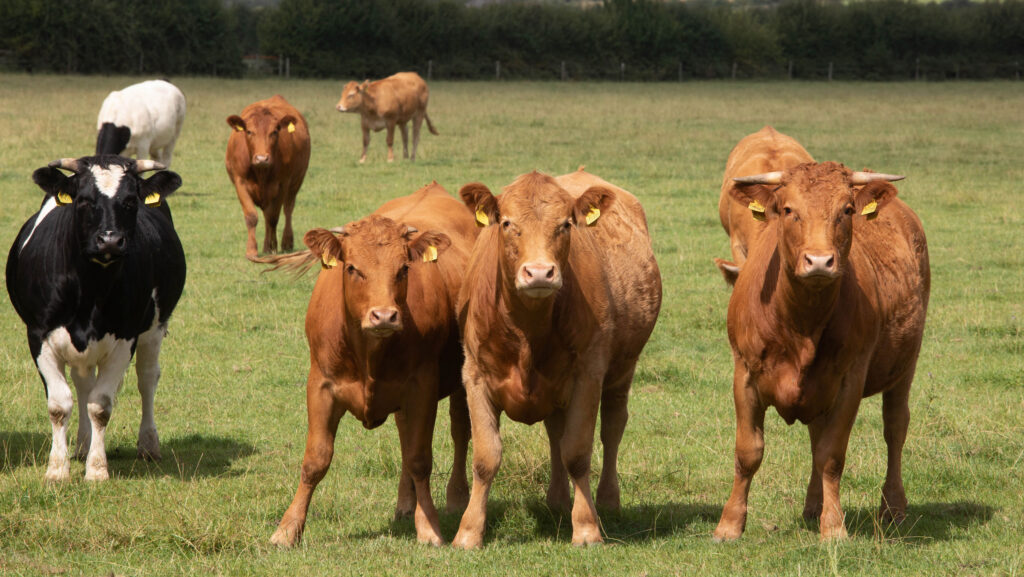 © Tim Scrivener
Cattle farmers in England are being asked to repay almost £610,000 in bovine TB compensation, with one individual bill reaching almost £50,000.
Defra says 321 farmers received full compensation payments for cattle that should have attracted only half, under rules introduced in November 2018 to discourage farmers from bringing infection into herds already under TB restrictions.
The £609,800.50 due to be reclaimed averages about £1,900 per farmer.
See also: Defra adopts refreshed bovine TB strategy for England
The demands relate to cattle that were compulsorily slaughtered under bovine TB controls after compensation rules were changed in November 2018.
Defra began writing to affected farmers in July and, in recent days, has issued invoices setting out repayment amounts and options for payment plans.
The invoices require payments to be made within three months.
How the rule works
The 2018 changes halved compensation for certain animals. This applied to cattle bought into a herd that had lost its officially TB-free (OTF) status. Farmers could obtain movement licences to bring in animals to a holding under restrictions.
But if such animals later became infected and were slaughtered before the herd regained OTF status, compensation was limited to 50% of the normal amount.
It is understood that an administrative error was responsible for affected farmers receiving the full amount.
Some farmers are challenging the demands using their own records. Farmers Weekly understands that at least one farmer has had his demand withdrawn after showing he bought the animals concerned before 2018, so the reduced-payment rule did not apply.
A dairy farmer, who did not want to be named, spoke of the shock of receiving an invoice for several thousands of pounds.
“We received the email on Friday evening [13 November], which felt horrible to have stew over at the weekend,” said the farmer.
“Dairy farming is tough enough as it is without this. The milk price is terrible and, in the short term, doesn’t look any better. We also missed out on the SFI in the latest window and our existing agreement ends next spring.
“If feels like one rule for Defra and another for farmers.”
The farmer is taking advice from the NFU and others and plans to challenge the invoice demand.
“The money was received in good faith. The valuation document they sent very clearly said 100% compensation,” added the farmer.
NFU response
The NFU says farmer-members whose records differ from government records may be able to challenge claims and urges anyone receiving a demand to contact the union.
NFU Livestock Board chairman Paul Tompkins said farmers should not have to repay the money because they had accepted it in good faith. “We don’t believe that these funds should have been reclaimed,” he said.
Farmers whose cattle tested positive could have either had them removed through the government scheme and received compensation or arranged private slaughter and receive the animal’s commercial value.
Mr Tompkins said those who chose the government route believed they were following the correct process.
The situation was another example of the “strained relationship” between government and the farming industry, he added.
Future of compensation
The issue comes as Defra considers the longer-term future of TB compensation as part of its refreshed Bovine TB eradication strategy for England by 2038.
The department says it wants to explore how compensation can support shared responsibility and effective disease-risk reduction, while maintaining confidence in the system and ensuring value for taxpayers.
Defra would welcome the co-design Steering Group using its first delivery plan to set out how options for longer-term financial sustainability could be explored.
Government figures show TB compensation costs taxpayers between £25m and £30m net each year.