

Drought and bluetongue push farms to ‘crisis point’
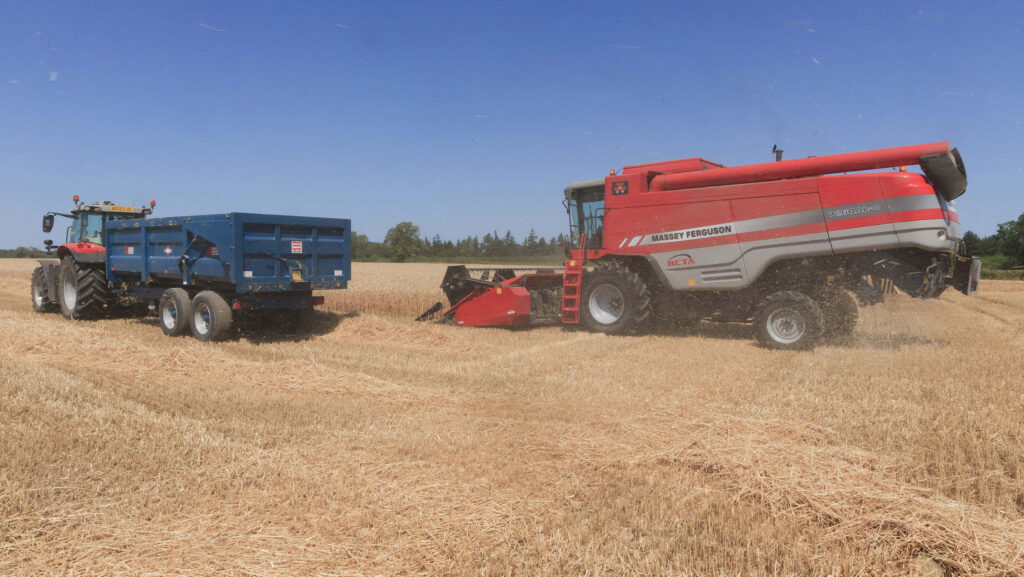 © Tim Scrivener
 Farm leaders have warned that drought, bluetongue and rising costs are driving the industry towards a financial “crisis point”, leaving some businesses questioning whether they will have the cash needed to produce next year’s food.
A coalition of farming organisations, including the NFU, NFU Cymru, NFU Scotland, CLA and TFA, says urgent government action is needed to prevent otherwise viable farm businesses from being overwhelmed by a combination of poor harvests, forage shortages and animal disease.
See also: Defra drought package omits hardship payments
Among the measures being sought is a government-backed, interest-free Keep Britain Growing Loan, designed to help farmers maintain cashflow and fund next season’s crop production.
They are also seeking urgent support for livestock farmers facing rising fallen stock costs as a result of bluetongue.
NFU president Tom Bradshaw said: “Farmers face an immediate crisis in cashflow and confidence. Rain has come too late for lost harvests and slashed yields, while livestock farmers are dealing with the worst bluetongue outbreak to reach our shores.”
He warned many businesses were struggling to plan for the year ahead. “Many are worried they will not have money in the bank to plant next year’s crops or replace livestock lost to bluetongue.”
The NFU estimates this year’s historically low wheat harvest could result in a £370m loss in gross production value, while replacing lost grass growth with purchased forage could cost livestock producers a further £34m.
Backing the proposed loan scheme, TFA chief executive George Dunn said the industry was facing an unprecedented combination of pressures.
“The farming industry is facing an exceptional set of pressures. This is not just about absorbing the issues of a difficult year,” said Mr Dunn.
“For many tenant farmers in particular, the risk is that we see otherwise fundamentally sound farm businesses lost due to their inability to secure the cash and working capital needed to keep operating, restock, establish crops and plan for 2027 and beyond.”
Mr Dunn added that an interest-free loan scheme should help viable businesses weather a short-term crisis rather than prop up failing enterprises.
“It is about preventing temporary but extreme cashflow shocks from destroying productive farm businesses, livelihoods and food-producing capacity.”
Water access vital
Alongside immediate financial support, the farming organisations are urging ministers to improve access to water during droughts, speed up the construction of on-farm reservoirs and increase investment in climate adaptation measures.
Mr Bradshaw added: “Action is needed now to secure the future of British farming and enable the next generation to keep producing the nation’s food.”
Government response
A Defra spokesman said: “We are acting now to support farmers with more money into farm support, £15m to build on-farm reservoirs, and easier access to water when it is scarce.
“We’ll keep listening to farmers to help them boost their long-term resilience and give them the confidence to invest in their businesses.”