

High Court finds Dartmoor stock assessments inadequate
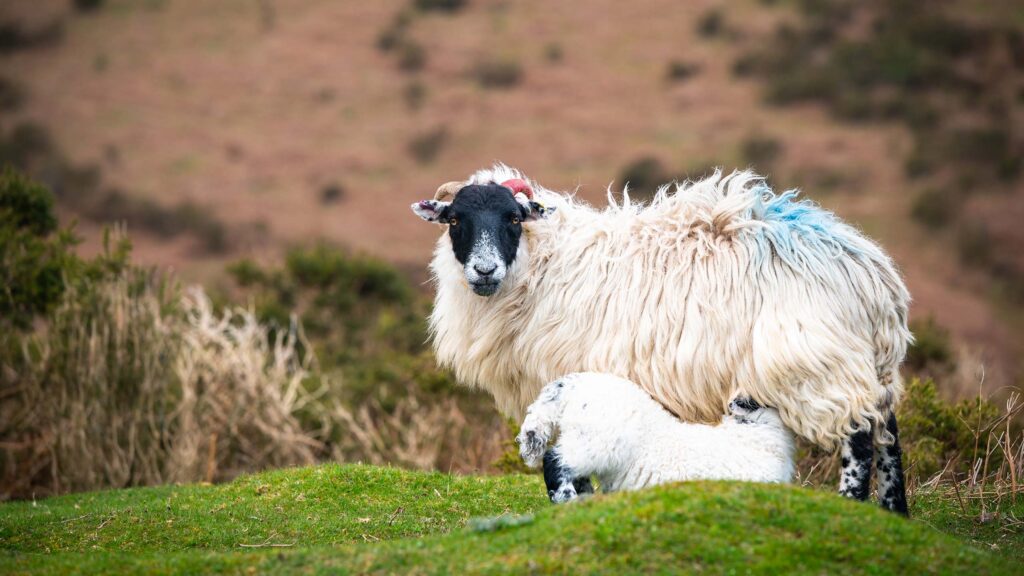 © Adobe Stock
 The High Court has ruled that the Dartmoor Commoners’ Council (DCC) failed in its legal duty to properly assess livestock levels on Dartmoor Commons.
The judicial review, heard in July 2025, was brought by environmental group Wild Justice, which challenged the council on eight grounds, including claims of overgrazing, failure to protect conservation, and alleged bias.
In his judgment (opens as PDF), handed down today (17 March), Mr Justice Mould dismissed seven of the eight claims.
The judge agreed only that the DCC had not carried out a sufficient, evidence-based assessment of grazing numbers, as required under the Dartmoor Commons Act 1985.
See also: Wild Justice launches legal action over Dartmoor grazing
The Act gives the DCC both the authority and the responsibility to regulate grazing on the commons, balancing traditional farming with environmental protection.
Bob Elliot, chief executive of Wild Justice, said: “This judgment shows the DCC failed to do the most basic work needed to understand how many animals the Dartmoor Commons can sustain.”
Statutory duty
The ruling said it was the council’s statutory duty, not Natural England’s or any other body’s, to determine how many animals could sustainably graze the land.
It said any assessment must be evidence-based, taking into account the number of livestock entitled to graze, those actually grazing, seasonal variations, and the capacity of the land.
The court found that the DCC had relied on anecdotal reports and incomplete data, which did not meet this standard.
Dartmoor Commons cover roughly 36,000ha and include sites of special scientific interest and a Special Area of Conservation.
Some 850 landowners, known as “commoners”, have rights over the land, including grazing sheep, cattle and ponies.
The ruling does not immediately change grazing rules but establishes a clear legal precedent that the DCC must carry out proper quantitative and qualitative assessments and act if overstocking occurs.
A 2023 government-commissioned review of Dartmoor, known as the Fursdon Review, concluded that the moor was “not in a good state”.
It found that very few of its SSSIs were in favourable condition and highlighted significant ecological decline.
The review also noted that Natural England sees reducing grazing levels, particularly in some areas, as a key tool in restoring these sites to favourable condition.
Farmer reaction
Helen Radmore, a Dartmoor farmer and national vice-chairman of the Tenant Farmers Association, described the judgment as “disappointing”.
She warned that any attempts to enforce overly strict stocking limits on Dartmoor would harm upland farming, biodiversity and wildfire management.
“Sheep help maintain the landscape and support species like dung beetles, which feed birds. Removing stock would have serious knock-on effects for both farming and nature,” she said.
A DCC spokesman told Farmers Weekly the council would take time to digest the ruling and consider its next steps.