

Traders anticipate ‘massive increase’ in BNG demand
 © Tim Scrivener
 Traders and brokers are anticipating a “massive increase” in demand for biodiversity net gain (BNG) units, following confirmation by Defra that the requirement to deliver environmental improvements is being extended to large-scale infrastructure projects.
Under current planning rules, developers in England are required to deliver a 10% increase in biodiversity above what they might destroy during the construction process.
This can occur either onsite or at other locations, with farmers and landowners able to sell BNG credits to developers, providing a potential source of additional income.
See also: BNG market set to gather pace as big projects come into play
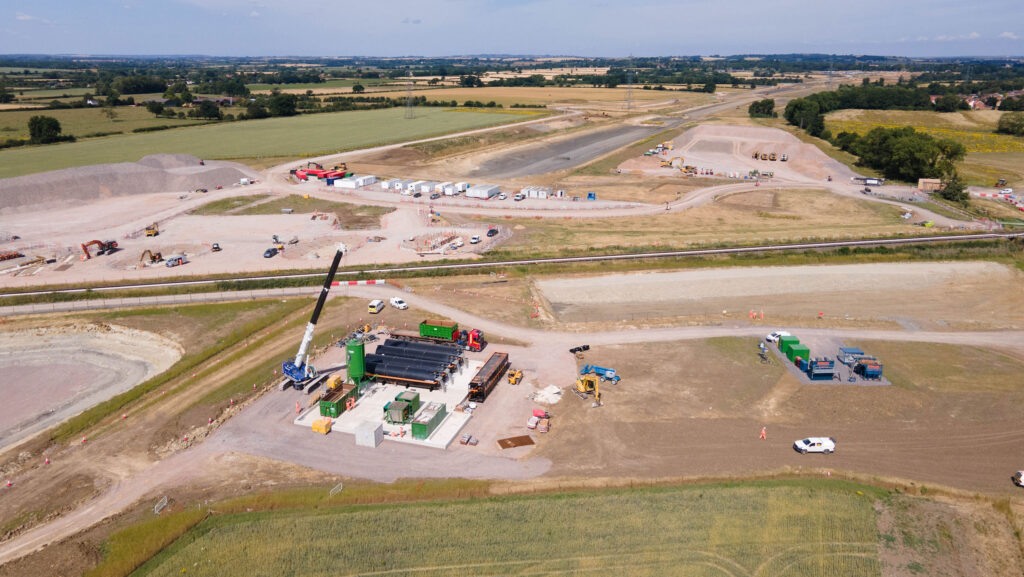
Two consultations were launched last May on how to finesse the fledgling system – including introducing BNG exemptions from small-scale developments, and extending the BNG framework to so-called nationally significant infrastructure projects (NSIPs), such as road and rail developments, reservoirs and solar farms.
Official response
The official government response to these consultations has now been published, confirming that small housing sites of less than 0.2ha will indeed be exempt from BNG – with a target to implement the rule change by 31 July.
While not unexpected (the government had indicated this would definitely happen last December), BNG traders have played down the likely negative impact this might have on the value of BNG credits.
The government’s own figures suggest that, while around 50% of housing developments will now be exempted from BNG obligations, this only amounts to a 10% drop in demand for offsite BNG units, due to the small-scale nature of the projects.
“This could have been worse – last year’s consultation considered exempting all sites of less than 0.5ha,” said BNG broker, Hugh Townsend of Townsend Chartered Surveyors in Exeter.
“The market has already discounted for the lower demand due to the 0.2ha exemption, while Defra’s analysis comes with a high level of uncertainty.”
Increased demand
According to Mr Townsend, the “best news” is that Defra is doubling down on its plan to extend the BNG requirement to NSIPs.
This is now due to take effect from November 2026 – six months later than anticipated – with further guidance expected in May.
“Although delayed from the original launch date, the increase in demand for BNG units cannot be overestimated,” said Mr Townsend, adding that extra demand will create more opportunities for farmers.
The Environment Bank, which is also deeply involved in the market for BNG through its lease-based system, has also welcomed the government response.
Chief executive Catherine Spitzer said: “These statements will provide much-needed clarity to developers, infrastructure providers and the BNG market.
“BNG was introduced to ensure development contributes positively to biodiversity rather than eroding it. By bringing in nationally significant infrastructure projects into a consistent BNG regime, it will create exciting new opportunities for developers and landowners to work together to restore nature.”
Meanwhile, Defra has launched a new consultation to establish whether some residential developments of less than 2.5ha on so-called “brownfield land” should be exempted from BNG requirements.