

Dorset farmer fined over slurry storage breach
 © Tim Scrivener
 A Dorset farmer has been charged a hefty fine at Yeovil Magistrates Court after failing to install adequate slurry storage at his Blandford farm, breaching environmental regulations in a designated nitrate vulnerable zone.
Mark Pearson, of Hanford Farm, Blandford, appeared before Yeovil Magistrates Court, where he pleaded guilty to failing to comply with an anti-pollution works notice.
He was fined £1,200, ordered to pay a £480 victim surcharge and full costs of £4,075.
See also: How new slurry store sets up dairy to optimise spreading
The court heard there had been multiple pollution incidents linked to the farm since 2012.
The Environment Agency had advised Mr Pearson to increase slurry storage capacity, as the farm is located within a nitrate vulnerable zone.
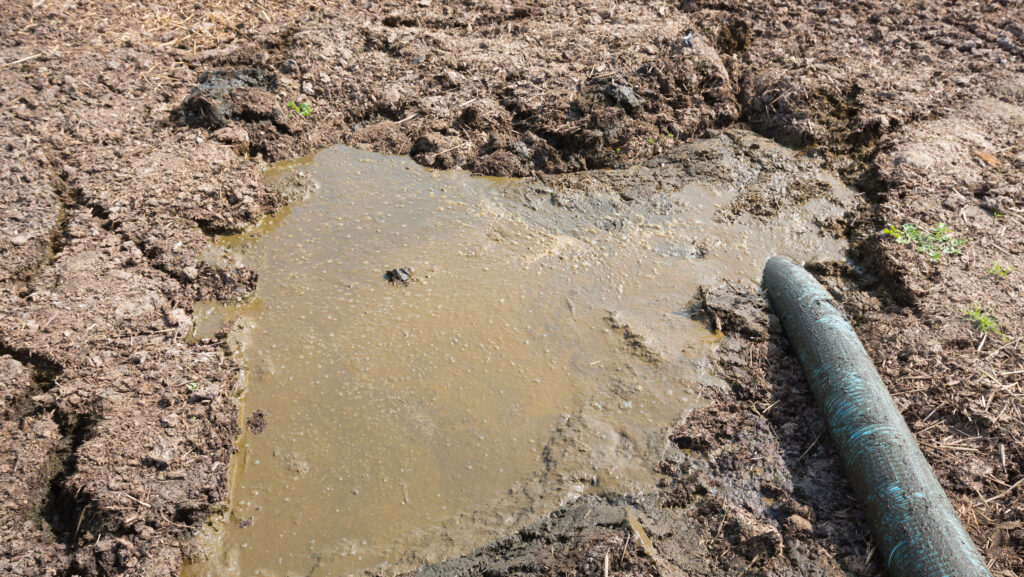
In January 2019, an Environment Agency officer walking his dog observed what appeared to be slurry in a stream and traced the runoff to a field at Hanford Farm, photographing the evidence.
During a formal interview under caution, Mr Pearson admitted that slurry spreading had caused the pollution.
He agreed to an Enforcement Undertaking, paying £2,000 to the National Trust and committing to increase slurry storage.
However, the slurry lagoon was not completed.
He was later charged with the original polluting offence and, in November 2024, ordered to pay a £2,500 fine.
On 26 January 2024, Mr Pearson was issued with a notice under Section 161A of the Water Resources Act 1991 requiring installation and commissioning of a new slurry storage system by 1 October 2024.
The notice included a right of appeal, which was not exercised.
A visit on 16 October 2024 confirmed no new slurry store had been completed.
Chris Westcott, of the Environment Agency, said: “Pearson has consistently failed to deliver on his promises to the Environment Agency that slurry storage would be increased. We first highlighted this issue in 2015.
“We have been more than patient with the farmer, but the promised improvements never materialised, and the offending continued which left us with no alternative but to pursue enforcement actions.”