

Farm fined after slurry spills pollute Bristol Avon river
 © Environment Agency
 A farming partnership in Chippenham has been ordered to pay £18,744 after two slurry pollution incidents in 2023 and 2024 contaminated tributaries of the Bristol Avon river.
JD Spencer Farm Partnership, based at Manor Farm in Langley Burrell, Chippenham, Wiltshire, pleaded guilty to four environmental offences at Swindon Magistrates’ Court on 6 March following a prosecution by the Environment Agency.
The partnership was fined £7,000, ordered to pay a victim surcharge of £2,800 and costs of £8,944.
See also: Wet weather exposes flaws in slurry spreading rules
David Womack, a senior environment officer, said: “This incident was avoidable and should never have happened. Farmers have a responsibility to ensure their organic manures are properly stored and spread.”
The charges related to two incidents in which slurry entered local watercourses.
The farm faced two counts of illegal water discharge activities and two charges of failing to plan the spreading of slurry on agricultural land.
The first incident occurred in November 2023, when slurry entered a tributary of the Bristol Avon.
Downstream water samples taken by investigators showed very low dissolved oxygen levels and significant quantities of ammonia.
During a formal interview, farm co-owner Winston Spencer denied recently spreading slurry or pumping from the farm’s slurry lagoon onto nearby fields.
However, he acknowledged that the slurry and parlour washings stores were full and confirmed that slurry run-off had occurred.
He told investigators the run-off may have been caused by heavy rainfall washing away slurry he had spread the previous month.
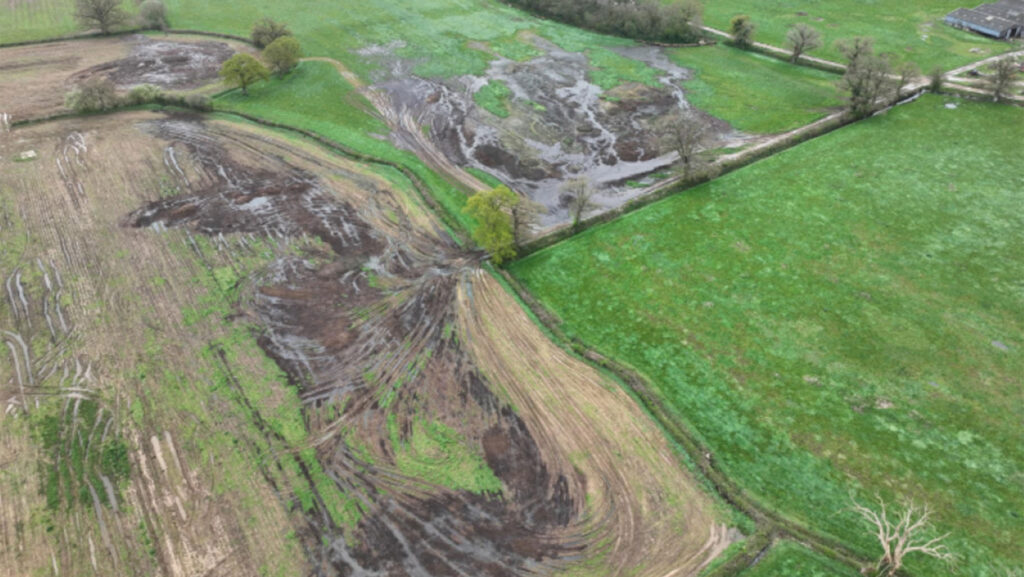
A second incident in March 2024 caused slurry pollution in a watercourse at Langley Burrell.
After a report from a member of the public, Environment Agency officers traced the contamination along several connected watercourses before identifying slurry deposits in three Manor Farm fields as the source.
In a subsequent interview, Mr Spencer admitted wet slurry had been deposited and said he believed it entered the field drains before reaching the stream.
He also confirmed that the partnership did not have land drainage plans for the fields involved.
Environment Agency officers used a drone to photograph areas where slurry had run off into nearby watercourses.