

Farmers in England to gain stronger deer control powers
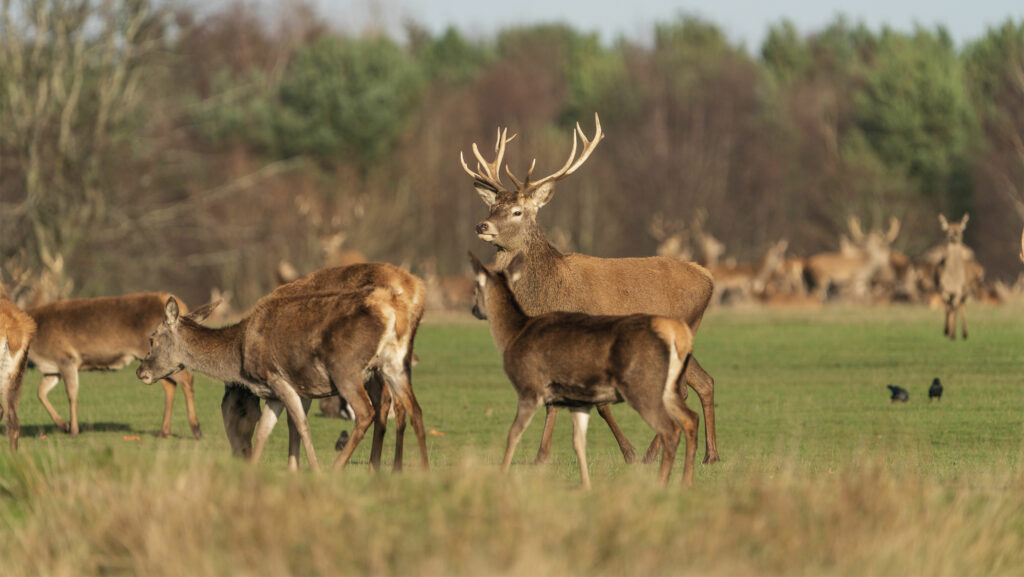 © Adobe Stock
 Farmers, land managers and foresters across England will be given faster, simpler powers to control deer under a new 10-year government strategy aimed at protecting crops, timber and wildlife.
The move follows estimates that one-third of England’s woodlands are now damaged by deer, with excessive browsing and trampling preventing young trees from establishing and harming sensitive habitats.
Deer damage also affects wetlands, with recent surveys of the Norfolk Broads showing more than 10% of rare fen habitat impacted.
See also: Deer management powers reshaped in Scotland
Ministers warn that without urgent action, pressure from deer could undermine tree-planting targets, nature recovery, and domestic timber production.
The package includes grants, expert advice, and streamlined licensing, designed to allow land managers to “better protect crops, timber and habitats where there is a clear need.”
Easing restrictions
The government also plans to consult on easing restrictions for night shooting and removing the close season for male deer, potentially allowing year-round culling. Scotland introduced a similar measure in 2023, permitting red deer stags to be shot throughout the year.
Nature minister Mary Creagh said: “This government is helping landowners and farmers manage deer impacts more effectively so woodlands can flourish and crops are better protected.
“These new measures will also help restore nature, boost our home-grown timber industry and protect the millions of trees we are planting across the country.”
Officials say Britain’s six deer species – only red and roe truly native – now number more than two million, up from about 450,000 in the 1970s.
Booming populations, including three non-native species, are putting unsustainable pressure on young trees and vital habitats, with surveys showing impacts have risen sharply over the past two decades.
Sensitive habitats relied upon by species such as dormice and nightingales are particularly threatened.
Farmer support
Many farmers facing crop losses and rising fencing costs are expected to welcome the reforms.
Andrew Blenkiron, manager of the 9,100ha Elveden Estate on the Suffolk-Norfolk border, said the loss and damage to crops caused by deer costs the estate up to £100,000 a year.
He said: “We began working with Defra on this over three years ago, so it’s encouraging to see the new deer management strategy announced.
“The proposals to consult on control periods and simplify licensing for night shooting are very positive. We aim for a sustainable, managed deer population, and culling remains the most effective tool.”
He added that fencing trials at Elveden showed deer simply move to neighbouring areas, increasing grazing pressure there.
Rebecca Chaney of the Woodland Trust said: “Our native deer species are a much-valued part of our biodiversity. Sadly, with no natural predators to keep numbers at sustainable levels, they are causing serious damage to woodland habitats and wildlife right across the country.”
Venison market boost
The government will also support the domestic wild venison market, including backing the British Quality Wild Venison Standard, and is exploring serving venison in hospitals, schools and prisons to boost demand.
Conservationist Chris Packham has also voiced his support for greater control of deer numbers.
He said: “If we want to reforest, if we want sustainable populations of woodland birds and butterflies, we currently have no other options. A joined up national policy implemented and supported by science will make a difference for biodiversity.”
North Ross deer management shows habitat recovery success
Habitat conditions are improving across Beinn Dearg in North Ross, in the Scottish Highlands, following long-term voluntary deer management.
Landowners and managers have worked with NatureScot since 2020 to reduce deer densities, easing pressure on blanket bogs and mountain grasslands.
Assessments show 88% of plots now experience low or moderate browsing, and trampling impacts have fallen across 76% of sites.
With cull targets achieved, the Section 7 control agreement under the Deer (Scotland) Act 1996, covering 87,832ha, will conclude and be replaced by a 6A agreement that mandates a formal deer management plan.
The North Ross Deer Management Group will continue monitoring populations, balancing sustainable grazing with biodiversity and public access, ensuring long-term habitat recovery.