

Livestock farms could play big part in drive towards net zero
 © AdobeStock
 A groundbreaking study by the AHDB and Quality Meat Scotland (QMS) suggests that 14% of farms involved in the pilot may already be operating beyond “net zero” for carbon emissions, with livestock farms playing a major part.
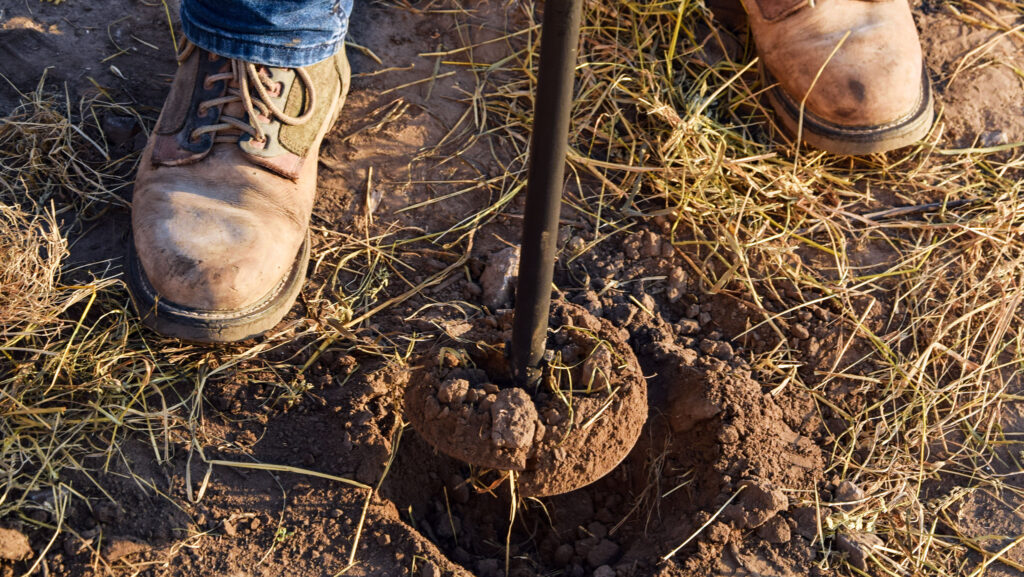
The environmental baselining pilot measured carbon on 170 farms across England, Scotland and Wales.
Early findings have revealed that 21 of the 147 farms which have had their results analysed so far are already capturing more carbon than they are emitting.
See also: AHDB pilots Farm Data Exchange for beef and dairy sector
This suggests the agricultural industry may actually be closer to achieving the government’s 2050 net-zero target than previously thought.
Broad range
The AHDB-led pilot covered a broad range of farm types including arable, dairy and livestock enterprises.
One of the most striking findings was that more than half of the farms that may already operating below net zero are actually livestock farms.
This is despite the sector often receiving flak for its perceived environmental impact.
AHDB environment director Chris Gooderham told Farmers Weekly that early results had also shown there was very little difference between soil carbon levels beneath woodland and farmland.
Soil measurements were taken at a depth of 1m and averaged 126t/ha.
Mr Gooderham added that about 95% of the carbon stocks measured were in the soil, with the remainder in trees and hedges, but with a huge range between farms.
He said the AHDB would now be able to look at farms with similar soils, find out how they compare in terms of carbon, and determine which farming practices have elevated soil carbon levels.
Big assumptions
“There are some big assumptions used when estimating sequestration on farms currently.
“This is why we have focused attention on carbon stocks and directly measuring soil organic carbon,” said Mr Gooderham.
“Being incentivised to maintain those stocks, and where possible, increase them, could go a long way to improving the net carbon position of the country.”
QMS chief executive Sarah Millar said: “We know for a true net-zero approach, greenhouse gas emissions need to be balanced with the amount of carbon captured above and below the ground.
“We are now looking at farming practices that are aligned to improved carbon stocks and reduced greenhouse gas emissions.
“This will support increased uptake of these practices.”