

Welsh government launches gamebird release evidence review
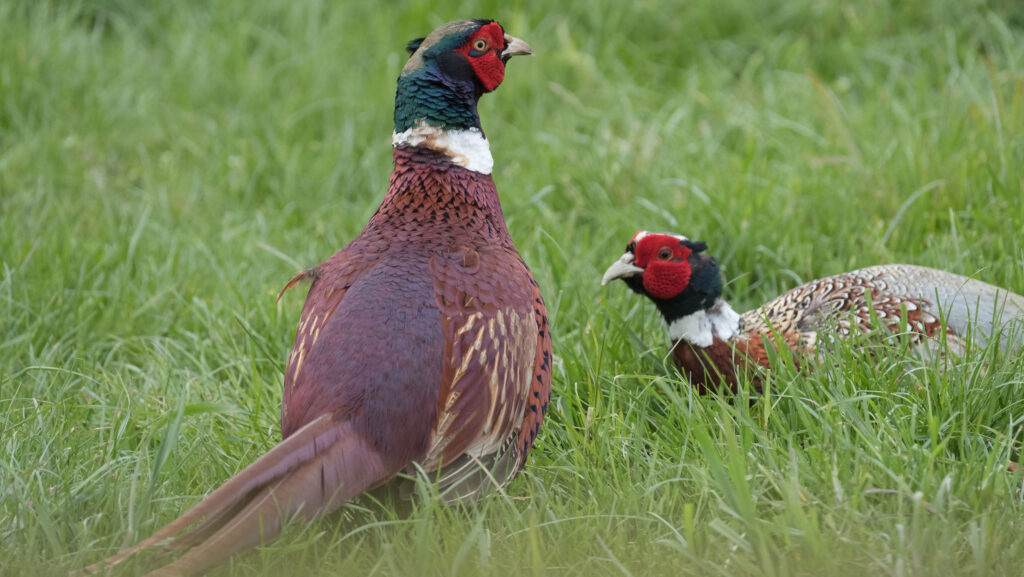 © Tim Scrivener
 The Welsh government has launched an independent call for evidence on gamebird release, signalling a further step towards tighter regulation of the sector.
In a written statement published on 17 March, deputy first minister Huw Irranca-Davies said: “Wildlife management in Wales must be environmentally sustainable, legally robust, and aligned with our wider nature recovery ambition.”
He added that ministers intend to “move towards a more regulated and sustainable system for managing gamebird releases, including the potential introduction of a future licensing regime”.
See also: Gamebird shooting industry: Benefit or burden?
The review will be led by Environment Platform Wales, drawing on academic research and industry expertise to assess the impacts of gamebird release, particularly on sensitive habitats.
The Welsh government said the findings would underpin future policy, with a focus on ensuring decisions are “transparent, proportionate” and support biodiversity targets.
The move follows a 2022 consultation by Natural Resources Wales which concluded that releases of pheasants and red-legged partridges should be licensed.
Countryside Alliance Wales said it would submit evidence to the review, stressing the environmental role of shooting.
Rachel Evans, director of Countryside Alliance Wales, said: “Gamebird release, its associated wildlife management and shooting more broadly are hugely beneficial to the environment and biodiversity in Wales.”
While the full details of the evidence-gathering process were yet to be announced, it was imperative that the process resulted in a fair and balanced assessment of the evidence, Ms Evans added.
Gaps in data and the “irreplaceable contribution” made by Welsh shoots to the management and protection of many of Wales’ most sensitive sites and vulnerable species, such as curlew, must be recognised, she continued.
“If the minister is serious about reversing biodiversity decline he must work with the shooting community not against them,” she said.
England considers licensing
Meanwhile in England, Defra has also signalled potential changes through its Land Use Framework, which was published on 18 March, recognising both the economic value of shooting and its environmental trade-offs.
The department said it will “work with the sector and other stakeholder groups to explore wider measures such as licensing”, with any proposals subject to consultation.
The Countryside Alliance had branded the move as “a full-frontal assault on the countryside”, coming on top of proposals to restrict shotgun ownership, and the proposed ban on trail hunting.
It estimates that shooting contributes £3.3bn to the UK economy every year, supports 67,000 full-time equivalent jobs, and delivers about £500m a year in privately funded conservation work.