

Fallen sheep numbers surge in bluetongue-hit areas
 © Tim Scrivener
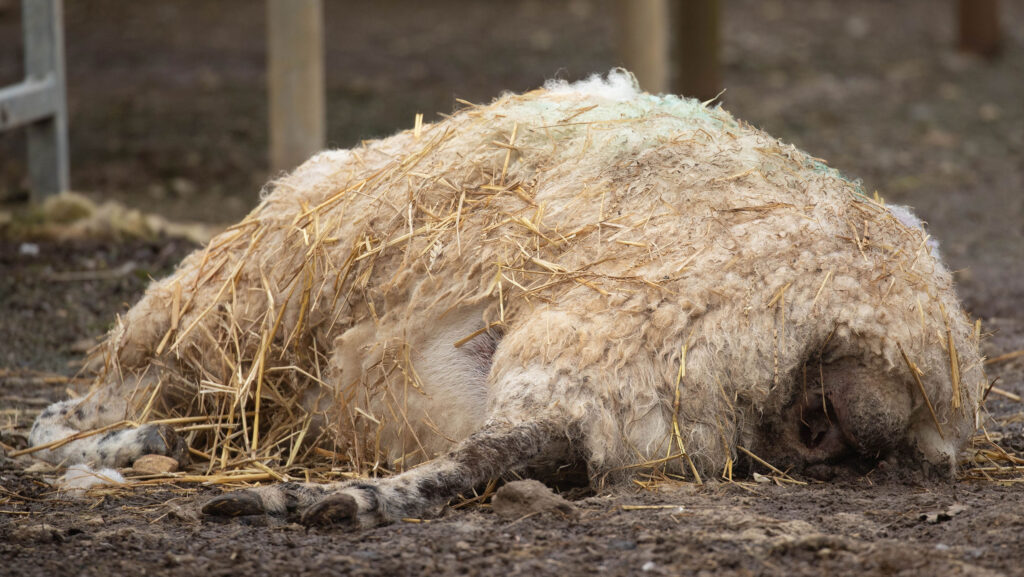
 Fallen adult sheep collections rose sharply in parts of England during August as the ongoing bluetongue outbreak gathered pace, new figures show.
Data supplied to Farmers Weekly by the National Fallen Stock Company (NFSCo) show 9,404 adult sheep were collected in August 2026, up from 8,854 a year earlier – an increase of 6.2%.
See also: Bluetongue deaths drive up fallen stock costs
But much larger rises were recorded in some areas heavily affected by bluetongue.
In Devon, for example, fallen sheep numbers increased from 159 to 652 – up 310% – while Somerset recorded 357, compared with 109 in August 2025, a 228% rise.
Together, the two postcode areas recorded 741 more fallen adult sheep than a year earlier.
BTV cases
The NFSCo figures do not record cause of death and therefore cannot establish that bluetongue specifically led to the increase.
However, the rise coincided with the rapid expansion of the BTV-3 bluetongue variant, particularly in south-west England.
Latest government figures (28 September) show 2,124 premises have been confirmed with BTV-3 or an unspecified bluetongue serotype during the 2026-27 season, including 1,768 in England, 318 in Wales and 38 in Scotland.
A further 1,112 potential cases are under investigation across Great Britain.
Devon has recorded 872 confirmed premises, Cornwall 250 and Somerset 156.
In Wales, Powys has the highest number at 65, followed by Carmarthenshire with 57 and Pembrokeshire with 36.
Scotland has recorded 38 cases, including 34 in Dumfries and Galloway.
Flock variation
Phil Stocker, National Sheep Association chief executive, said the figures matched reports from south-west farmers, though mortality appears to have varied a great deal from farm to farm.
“Some flocks have come through lightly. Others are reporting losses of up to 30% within individual groups of sheep,” he said.
“The cost does not stop with the loss of the animal. Collection and disposal can cost up to £25/ewe, on top of vet bills, treatment and the time spent nursing sick sheep.”
Mr Stocker warned that the full impact of BTV-3 may become apparent next spring through fewer breeding ewes, reduced ram fertility and possible abortions.
Compounding factors
Mandy Nevel, AHDB head of animal health and welfare, said BTV had significantly affected adult sheep, with particularly severe impacts reported in some areas.
“The outbreak of BTV, likely compounded with the heatwaves and associated heat stress, is thought to account for a significant part of the increased mortality in these regions,” she said.
However, she urged farmers to remain vigilant for other causes of mortality and investigate unexplained deaths with their vet.
Dr Nevel added that BTV could cause infertility, potentially reducing the number of lambs and calves born to infected sheep and cattle.