

Defra to end cage egg production and lift lamb welfare
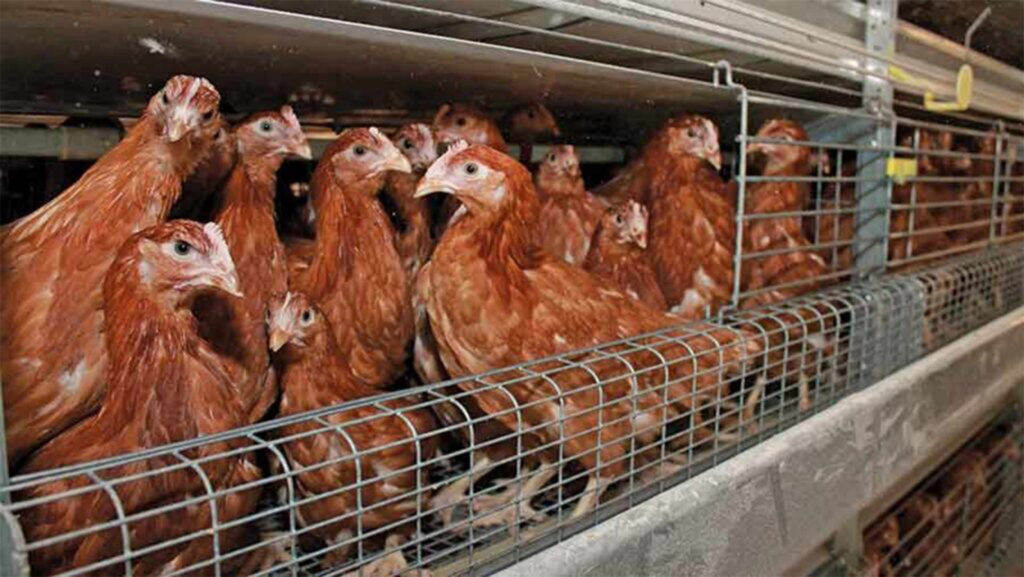 © MAG/Philip Clarke
 Two public consultations with the aim of phasing out enriched cages for laying hens, and ending castration and tail docking of lambs without pain relief, are being launched by Defra today (12 January).
Both fulfil commitments outlined in the Animal Welfare Strategy published by Defra before Christmas, designed to ensure “farm animals have greater freedom to express their natural behaviours and dignity”.
See also: Pig and poultry systems targeted in animal welfare strategy
Defra farming minister Dame Angela Eagle said: “British consumers want high animal welfare standards and these measures reflect those values, creating healthier livestock and high welfare food production.”
Enriched cages were introduced in the UK in 2012 to replace the old system of barren battery cages.
Instead four or five birds in a cage with no enrichments, these colony systems provide for up to 80 birds with access to perching, nesting and scratching areas, as well as feed and water.
While the space allowance is greater than in the past, Defra says bird movement is still heavily restricted “with each bird having space that is no bigger than an A4 sheet of paper”.
Egg supply
While most supermarkets only stock free-range table eggs, the cage sector still accounts for about 20% of UK egg production – equivalent to about 7m birds – typically supplying the food service and processing sectors.
Defra says it is determined to phase out all cage systems by 2032, “a move that is in line with widespread best practice and public opinion”.
Colony egg producers and packers have expressed their concern.
British Egg Industry Council chief executive Nick Allen said: “The proposal is likely to deliver little meaningful benefit for hens while undermining UK egg farmers and distorting the market.
“The government has not committed to equivalent bans on imported shell eggs, egg products and finished goods containing egg.
“This, once again, leaves UK farming exposed to unfair competition from imports and risks moving food production overseas.”
This fear is echoed by NFU president Tom Bradshaw who said: “The NFU has long called for a set of core standards for food imported into the UK; it must meet the same production standards as asked of our farmers.
“It is what the British people expect and it’s time a system of core standards was properly established in UK law.”
The consultation is open until 9 March.
Castration and tailing
The separate consultation affecting the sheep sector is designed to minimise pain when castration and tail docking are carried out.
“This could include greater use of pain relief and consideration of alternative methods which farmers would get improved access to,” said a Defra statement.
“This reflects the latest scientific evidence and follows expert advice from the independent Animal Welfare Committee.”
Anthony Field, head of Compassion in World Farming UK, said: “ Lambs are routinely subjected to painful, unnecessary mutilations.
“Castration and tail docking are usually carried out without anaesthetic or pain relief, causing great suffering, so this is an extremely encouraging move.”
However, National Sheep Association chief executive Phil Stocker took issue with the term “mutilation”, saying that tailing and castration are operations done mainly to safeguard the welfare of their lambs, including avoiding fly-strike and unwanted pregnancies.
“We have been assured by Defra that this isn’t a move to ban castration or tailing, but is more around ensuring people can qualify to themselves why they are carrying out these operations and that they choose the most pain-free methods available.”