

Dover border facilities ‘inadequate’ Defra minister admits
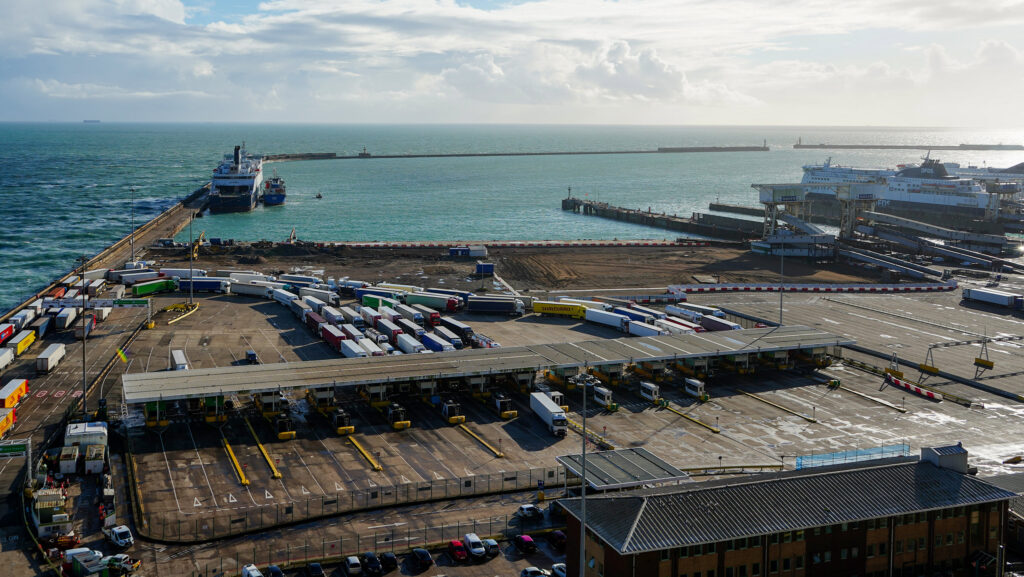 © Adobe Stock
 Urgent upgrades to facilities at the port of Dover are required if it is to prevent the illegal import of meat into the UK, according to Defra undersecretary Baroness Hayman.
Environment Food and Rural Affairs committee chairman Alistair Carmichael told an evidence session on Tuesday (9 December) that the latest figures from the Dover Port Health Authority indicated the amount of illegal meat seized has topped 338t in recent years.
In response Baroness Hayman, who recently visited the port, told the committee that while the staff were dedicated to their work, the facilities were not up to scratch.
See also: Biosecurity clampdown at Dover delayed pending SPS agreement
She said: “The thing that struck me most about Dover was the poor facilities where they have to do the checks, and the sharing arrangements with Border Force.”
Not fit for purpose
The area where the checks are conducted is owned by the port, not by Defra.
“We have no jurisdiction over that. We cannot improve the facilities just because we want to,” she said, adding that her officials have been instructed to liaise with the port of Dover to make the facilities fit for purpose.
She added that facilities at Belfast “are in stark contrast” to those at Dover, but it was not possible to put a timeline on upgrades.
Defra director for Northern Ireland, biosecurity and trade Mark Thompson said the department was looking at further funding for Dover to tackle illegal meat imports, but could not commit to an “actual amount” at this stage.
Increased power
The committee also heard that the port authorities would like increased powers to seize illegal meat imports, and not have to rely on Border Force.
“I’m very happy to look at the possibility of legislation in this area, but as I’m sure all members of the committee know, legislation takes time,” said Baroness Hayman.
Cross-ministerial working group
Defra is to re-establish the cross-ministerial working group on borders, including representatives from Defra, the Home Office, Department for Transport, the Cabinet Office, and the Treasury, to try to tackle illegal meat imports.
“There isn’t coordination in our response. If we’re going to truly tackle this, then that has to be the case,” Baroness Hayman said.