

Scale of illegal meat imports shocks Efra committee
 © AdobeStock
 Serious concerns have been expressed by members of the Environment, Food and Rural Affairs (Efra) select committee over the scale of illegal meat imports, and the biosecurity risk they pose to the farming sector.
Cross-party MPs discussed the volume and conditions of personal meat imports entering the UK during a panel discussion at the Oxford Real Farming Conference on Friday (9 January).
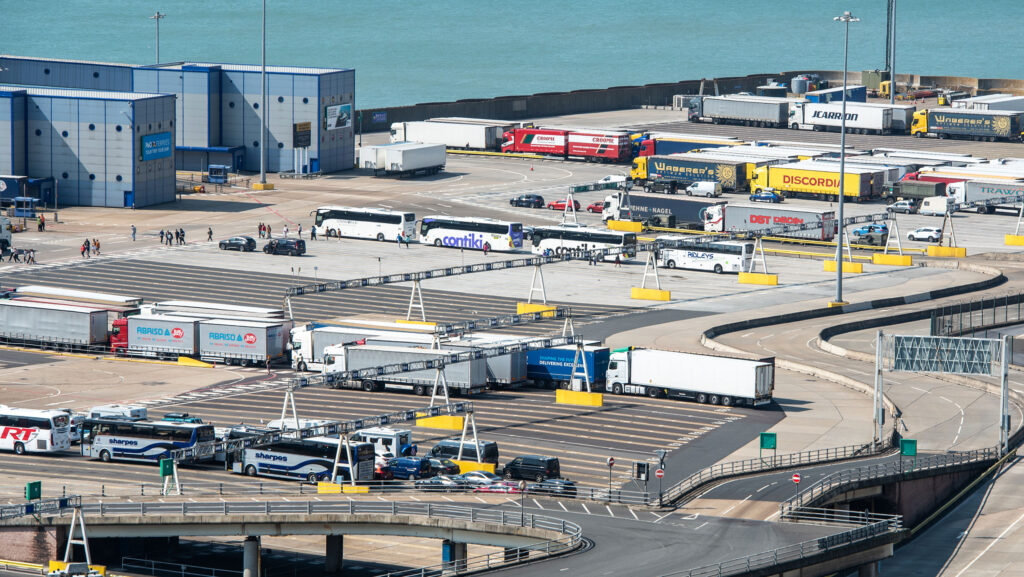
The committee has recently visited the port of Dover and the government’s animal science facility at Weybridge, and has called for urgent investment in both sites.
See also: Dynamic trade alignment with EU possible by next year
Josh Newbury, Labour MP for Cannock Chase, said: “Regardless of party affiliation, all of us were quite shocked by what we saw and heard [at Dover].
“We have incredibly dedicated staff who are working in all weathers, seizing huge amounts of meat that is coming through personal import lanes, often packaged very shoddily, possibly not even chilled.”
Mr Newbury said that limited freezing capacity at the port had also meant seized meat imports often had to be kept in inadequate facilities.
He suggested that deadly animal diseases potentially posed the most urgent and most devastating threat to UK agriculture.
“We need a decision on the state of a £22m border control post, which is just three miles away from the port of Dover and has never been used,” said Mr Newbury.
The committee has made 25 recommendations to government, including greater consideration on the mental health impact of animal disease outbreaks, better awareness of the ban on personal meat imports, more work to tackle the smuggling of products of animal origin, and stronger powers to stop, search and seize products.
Potential SPS agreement
Efra committee chairman and Liberal Democrat MP Alistair Carmichael said the committee had also been looking into commercial meat imports and what a potential sanitary and phytosanitary (SPS) agreement would mean for the UK.
Mr Newbury said the committee had met with EU delegates in Brussels and there was a great deal of willingness by the EU to re-establish strong ties and secure a deal.
He added that the EU was also very interested in England’s approach to nature-friendly farming and precision breeding.
“We know that the EU is looking to potentially move in that direction [on precision breeding], so hopefully we can lead the way and get some early adopter advantages before they then follow us,” he said.
SFI and IHT
The committee’s scrutiny of Defra policy had also covered the implementation of the Sustainable Farming Incentive (SFI) and changes to inheritance tax reliefs.
Sarah Bool, Conservative MP for South Northamptonshire, said: “We need to have a clearer long term plan for farming; the problem is a lot of announcements have been made before the strategies have been put into place.
“That causes huge problems for everyone going forward.”
Ms Bool stated that the constant opening and closing of schemes for SFI and capital grants had hampered farmers.
“We absolutely need to have farming more profitable, especially when you think that some farmers are receiving less than 1% overall profit, therefore making them reliant on government support.
“We need a transparent policy on the direction of how this is going to be rolled out and what this is going to look like,” she added.
Ms Bool also said the recent changes to the IHT thresholds still had not gone far enough and it was still causing huge strains on businesses, mental health, and the ability to plan.
She added that the Efra committee had previously called for a pause in the policy to allow people the time to plan, particularly those that are elderly or those with illnesses, and the committee was still pushing for some of these additional measures.