

Freer trade with EU likely as SPS deal gathers momentum
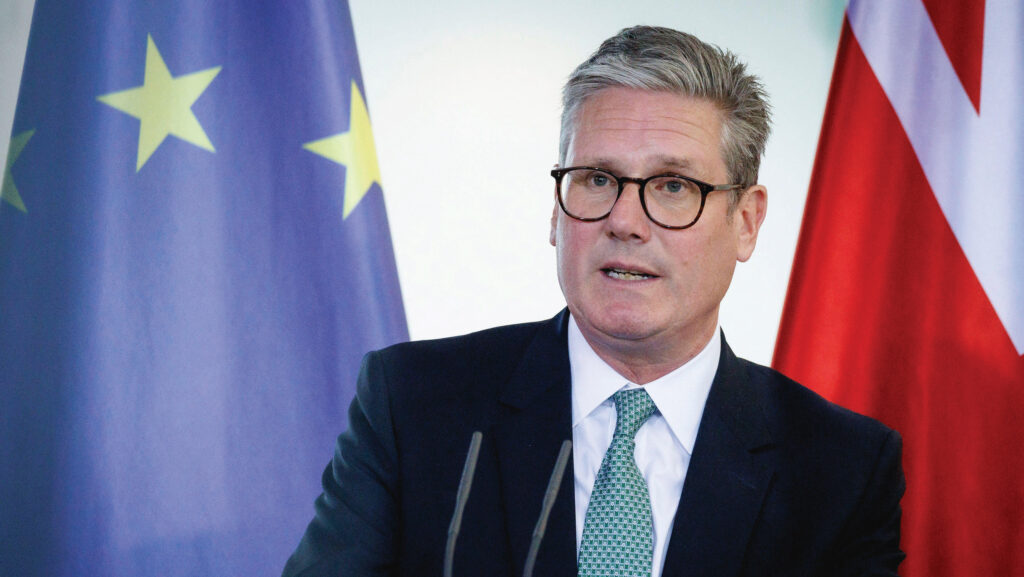 Keir Starmer © dpa picture alliance/Alamy Stock Photo
 Negotiations between Westminster and Brussels to establish a sanitary and phytosanitary (SPS) area are gathering momentum, with prime minister Sir Keir Starmer eager to forge closer trading ties as part of his “reset” plans.
Speaking on the BBC’s Sunday With Laura Kuenssberg show last weekend, he said it was “in the national interest” to seek “closer alignment” with the single European market, though joining a customs union was not on the government’s agenda.
See also: UK-EU deal to ease red tape on agricultural exports
Moves towards establishing an SPS agreement are very much on target, however, following last year’s UK-EU Summit.
A joint statement issued just before Christmas confirmed that negotiations had already concluded for the UK to rejoin the Erasmus youth exchange programme, as had talks on participating in the EU’s electricity market.
The statement added that the two parties remain committed to establishing a common SPS area “by the time of the next EU-UK Summit”.
SPS in practice
Under an SPS deal, standards would be harmonised and the vast majority of movements of animals, animal products, plants, and plant products between Great Britain and the EU could be undertaken without the paperwork and controls that are currently required.
These same benefits would be extended to the movements between Great Britain and Northern Ireland.
The continued application of the Windsor Framework would still enable Northern Ireland to maintain its special access to the EU single market.
The first SPS negotiations took place in December and full negotiations are expected to start in early January.
“Although the date for the [next] summit has not yet been confirmed, the UK government is working towards the first half of 2026,” said an NFU spokesman.
“As a result, negotiations are expected to move quickly.”
As part of the process towards “dynamic alignment” of UK standards with the EU’s, The Times this week reported that a “major new bill” will be tabled in parliament in the coming weeks.
This will effectively give the EU legal authority in any disputes around standards.
This is likely to trigger some heated debates in parliament around potential loss of sovereignty.
Response
The AHDB remains positive about the progress towards an SPS with the EU.
Sarah Baker, head of economics, said that easing trade friction caused by such things as export health certificates and border checks would reduce costs and potentially encourage some of the smaller businesses who had stopped exporting post-Brexit back into trading.
Red meat and dairy exports had been particularly hard hit, with bigger businesses only taking up part of the slack.
She denied that seeking dynamic alignment amounted to a U-turn on Brexit.
It would be good for growth and the UK would still be involved in future negotiations on standards.
“It’s a pragmatic solution to make sure that UK exporters are not hindered in accessing our key market.”
NFU president Tom Bradshaw urged caution, however.
“We want to see a variable-paced transitional arrangement to minimise potential disruption to British food production and farming businesses.
“Whilst also not unduly delaying unlocking the potential benefits that certain aspects of the agreement could bring,” he said.
“This means distinguishing between areas where trade barriers could be removed quickly, such as for the imports of key horticultural inputs, and those which require a greater time to adjust, such as rules around plant protection products, which have diverged from the EU since Brexit.”
Gene editing is another area of concern, with plant breeders fearful that the progress made in advancing the use of biotechnology in the UK could be slowed down by alignment with more cautious EU regulations.