

Industry concerns grow over alignment with EU crop regulation
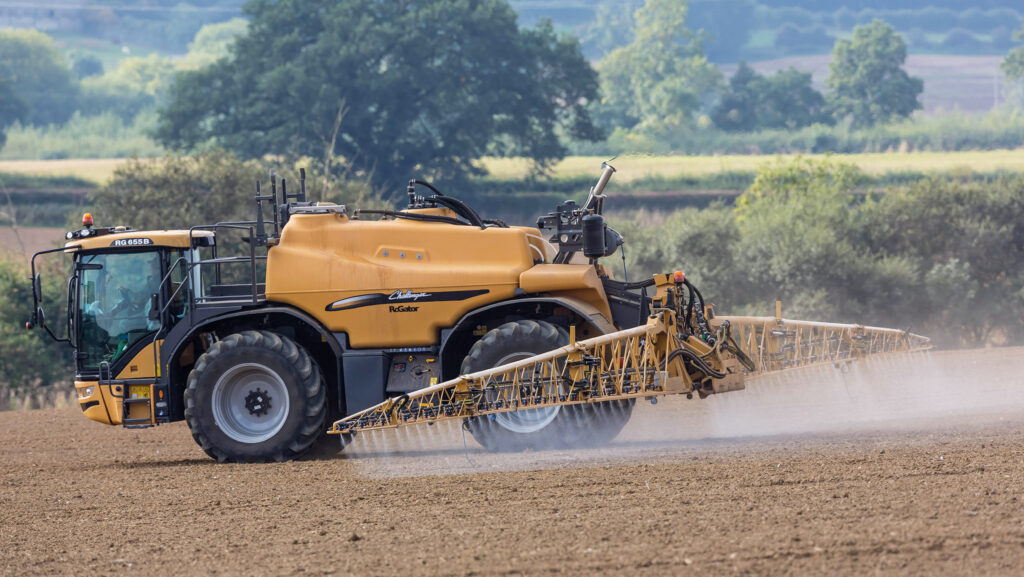 © Tim Scrivener
 Concerns are steadily building within UK farming over the impact of “dynamic alignment” with EU rules, amid warnings that changes to crop protection regulation could arrive sooner – and with wider consequences – than many growers currently expect.
The debate centres on the proposed UK-EU Sanitary and Phytosanitary (SPS) Agreement, intended to ease trade friction but which would see the UK keep its plant and animal health rules aligned with evolving EU legislation.
The issue featured prominently at the Association of Independent Crop Consultants (AICC) conference last week, where speakers suggested the implications are not yet widely understood at farm level.
See also: EU alignment risks £810m hit to UK farm incomes
“This is a massive threat to the industry, and another blow is coming farmers’ way. Most don’t realise it’s happening, and that is the most worrying part,” said Oxfordshire-based independent agronomist Luke Cotton.
Under dynamic alignment, the UK would no longer have a formal vote on EU regulatory decisions.
Process under way
Jenny Brunton, senior European policy adviser at the British Agriculture Bureau, told delegates that the process is already under way.
“This is not about whether it happens. It is happening. What is being negotiated now is the timeline and whether there are any exemptions.”
She added that expectations around flexibility need to be realistic.
“The EU are tough negotiators. We know that. The idea that the UK will be given flexibility simply because we ask for it is naïve.”
From a practical perspective, consultants warned that changes could begin to affect cropping decisions quickly.
AICC chairman Andrew Blazey said the policy had not been clearly communicated to growers.
“Crops in the ground now could potentially be affected,” he said.
“The boat has already sailed, but farmers were never properly told.”
Particular concern surrounds active substances approved in the UK but under pressure or not approved in the EU.
These include flufenacet, widely used for grassweed control, as well as newer post-Brexit products such as cinmethylin and pydiflumetofen.
“Against grassweeds, if we lose those last one or two percent of chemical control, the cost to the industry could run into hundreds of millions of pounds,” Mr Blazey warned.
The NFU has also highlighted potential unintended consequences if transition arrangements are poorly handled, citing a report from CropLife UK with estimates of up to £800m impact on food production in the first year.
NFU Combinable Crops chairman Jamie Burrows said the effects on wheat production could be significant if key blackgrass controls are lost.
Mr Burrows added that that NFU is lobbying hard for a good outcome for UK agriculture and would be having a follow-up meeting with the Efra committee on Tuesday 3 February.
Poultry sector preparations
By contrast, the British Poultry Council has struck a more positive note, saying the poultry sector has spent years preparing for closer alignment with the EU.
While acknowledging wider concerns, it argues that an SPS agreement could reduce border friction and deliver real benefits – provided the government sets out clear timelines and allows for a managed transition that reflects how differently prepared each sector is.