

Inheritance tax changes still threaten farming, Clarkson says
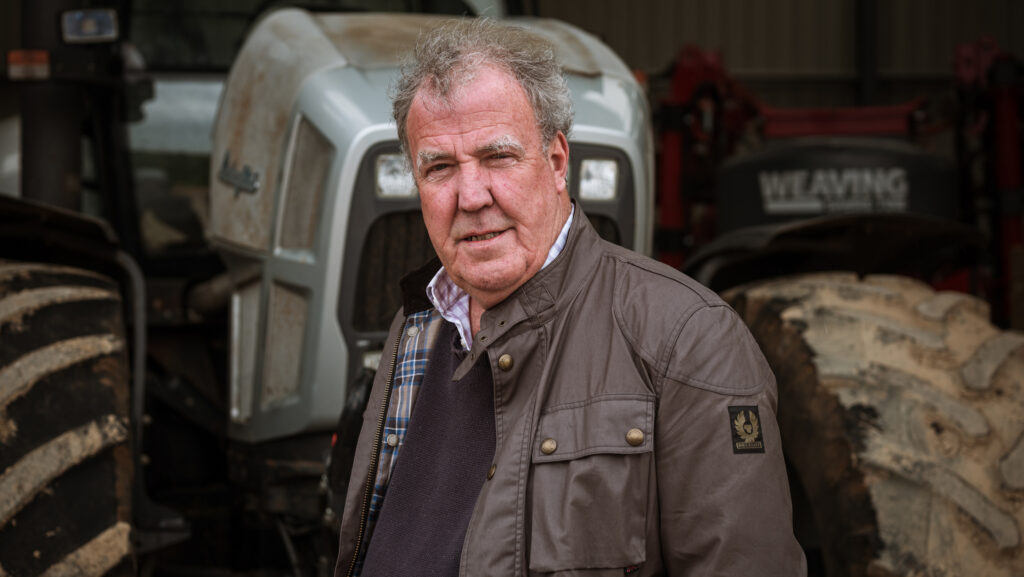 Jeremy Clarkson © MAG/Colin Miller
 Jeremy Clarkson has renewed his attack on the government’s inheritance tax reforms, warning in his latest Sunday Times column that treating family farms like ordinary assets risks undermining British food production and breaking up viable farms.
Writing ahead of changes due from April 2026, Mr Clarkson says many farms will still be caught despite chancellor Rachel Reeves raising the threshold.
“While [Sir Keir] Starmer recently backed down on the numbers involved, raising the threshold from £1m to £2.5m… half the farmers who would have had to pay inheritance tax under the £1m arrangement will still have to pay it anyway,” he wrote.
See also: High Court fast-tracks legal challenge to APR changes
Mr Clarkson argues farming inheritance is fundamentally different because farms rely on generations of knowledge rather than simple ownership.
“You can sell your parents’ house when they die, and someone else will be able to live in it.
“They will be able to operate the doors and the windows. They know how a house works.
“But you can’t just sell a farm to someone and expect them to have the first clue about how it should be run.”
On medium-sized farms, paying the inheritance tax bill will often means selling land, which could fatally weaken the business.
“And the only way he’ll [or she’ll] be able to afford to do that is sell a portion of the farm. Which would make it completely unviable.”
Drawing on his own experience at Diddly Squat Farm, in Oxfordshire, he notes that even a 405ha (1,000-acre) arable farm with tight margins currently struggles to break even.
“I have 1,000 acres at Diddly Squat and even a farm that big does not make money.
“If I had to sell a third of it to pay Rachel Reeves, it would stop breaking even and make a loss,” he wrote.
Food security concerns
Mr Clarkson also highlights broader consequences over the introduction of farm inheritance tax on national food security.
Breaking up family farms risks losing generations of “encyclopaedic knowledge about what grows where and what doesn’t”, reducing domestic production.
“So, you see, the question of inheritance is not the same for farmers as it is for you,” he wrote.
He warned that the tax “is going to ruin everything that makes Britain beautiful”.
In contrast, government ministers continue to insist the tax is fair and that the reforms could raise about £300m a year, while only affecting a minority of farms.
But farming organisations warn the policy, if introduced, could threaten farm viability, rural economies, and the UK’s ability to produce its own food.