

Gamebird shooting faces high-stakes Defra reckoning
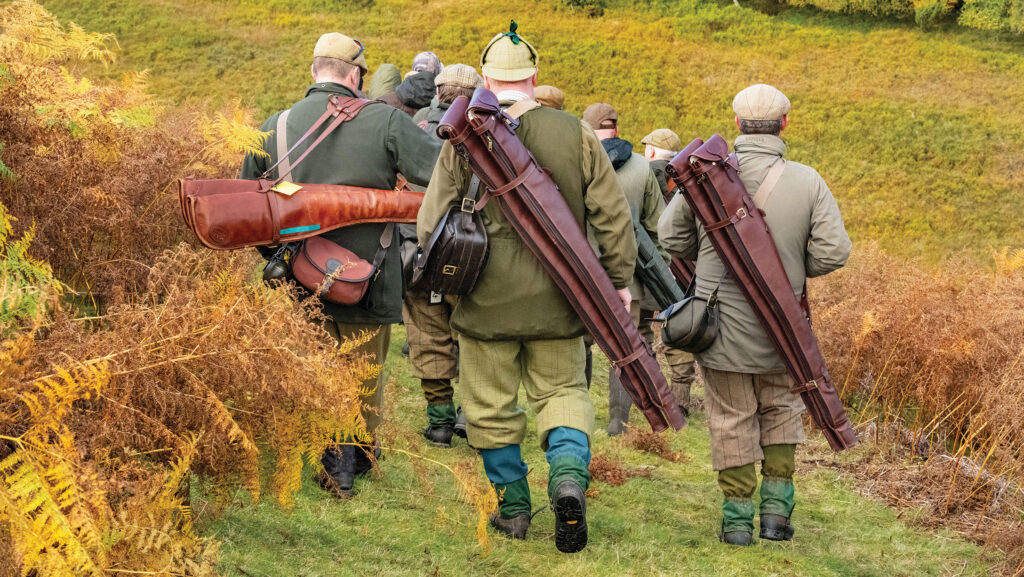 Gamebird managers have championed the vital role of shooting in conservation © Neil G Paterson/Alamy Stock Photo
Defra’s high-profile call for evidence on gamebird rearing, release and shooting closed on 1 November, leaving the rural sector braced for its next move.
The two-month exercise, which opened on 4 September, sought evidence on biodiversity, protected sites, disease, wildlife crime and welfare during rearing. It covered all types of game shooting, not just reared birds but also grouse, wild pheasants and wild partridges.
As gamebird policy is devolved, the review applies to England only, although relevant evidence from elsewhere in the UK was welcomed.
See also: Watchdog calls for national firearms licensing body
Defra stresses that no decisions have been made and that evidence will be independently reviewed. Any future policy proposals would be subject to public consultation.
However, parts of the rural sector remain sceptical about the government’s intentions.
Where the idea came from
The process traces back to the Labour government’s Land Use Framework (LUF), published by Defra on 18 March. The original draft made no mention of game shooting.
However, after RSPB chief executive Beccy Speight urged then Defra secretary Emma Reynolds to consider licensing, a commitment to explore the issue appeared in the final version.
The LUF says ministers would explore “wider measures such as licensing” for recreational gamebird shooting and release, going beyond existing licensing requirements for gamebird releases near European protected sites. Evidence gathering would come first, it promises.
This sequence of events has done little to reassure shooting and field sports advocates.
Tim Bonner, chief executive of the Countryside Alliance, argues the review exists only because ministers bowed to RSPB pressure to include licensing in the framework. He suggests it may be an attempt to justify a position already taken.
He calls the idea “possibly the most stupid of the many stupid rural policies” introduced since 2024. Yet prime minister Andy Burnham is focused on the cost of living, he says, so he may struggle to see how restricting shooting helps working people or delivers growth.
“By repute, Andy Burnham is a savvier political operator than his predecessor. The clever politics here would be to drop this issue entirely,” says Mr Bonner.
Shooting bodies turned out in force in response to Defra’s call for evidence. The British Association for Shooting and Conservation says more than 26,000 people copied it into their responses.
The case for shooting
A substantial part of the case for gamebird shooting has been made by the Game & Wildlife Conservation Trust (GWCT), which submitted its Game for Nature report alongside 120 supporting research papers.
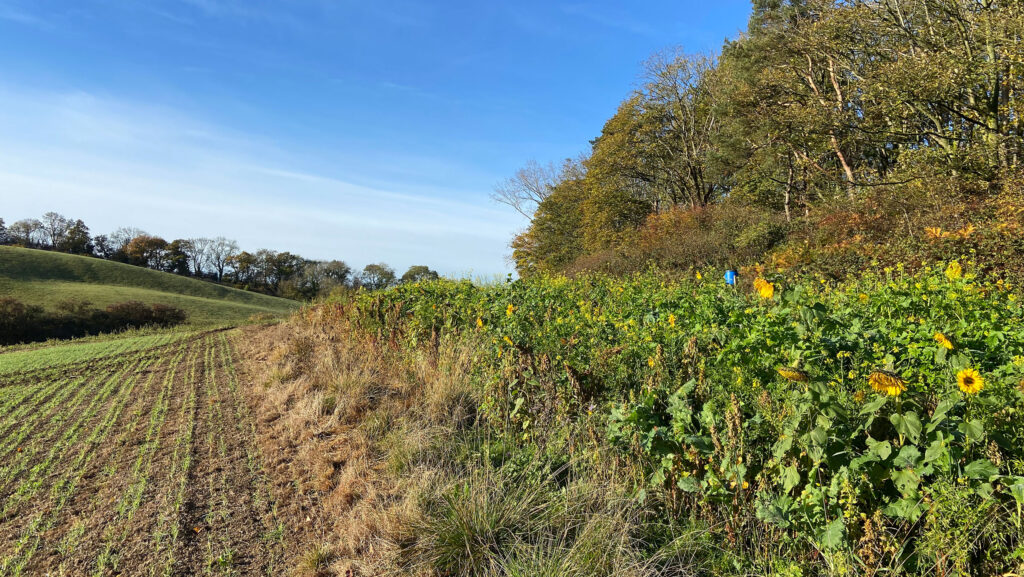
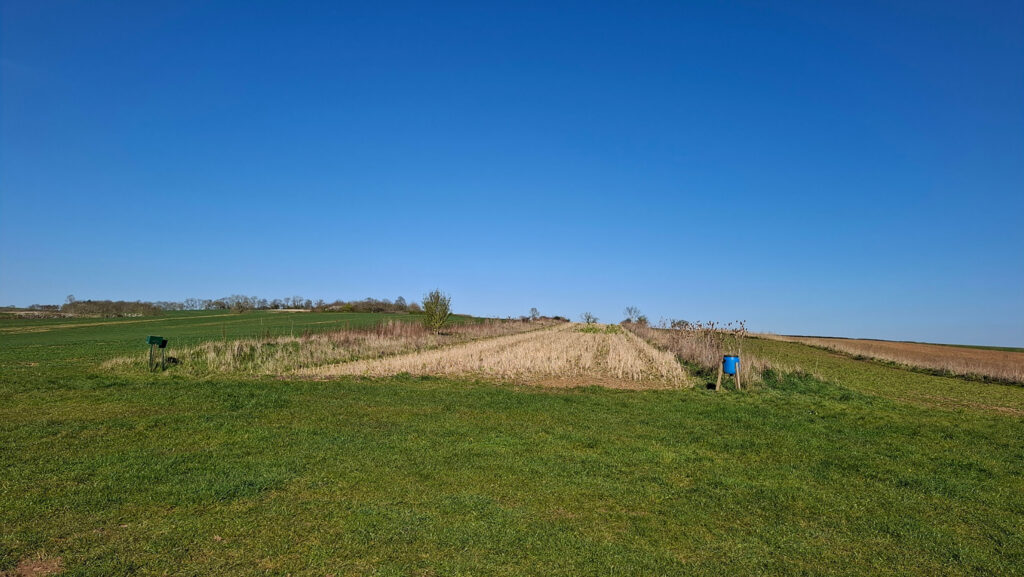
The trust argues that habitat creation, supplementary feeding and predator control associated with gamebird management can deliver significant biodiversity benefits.
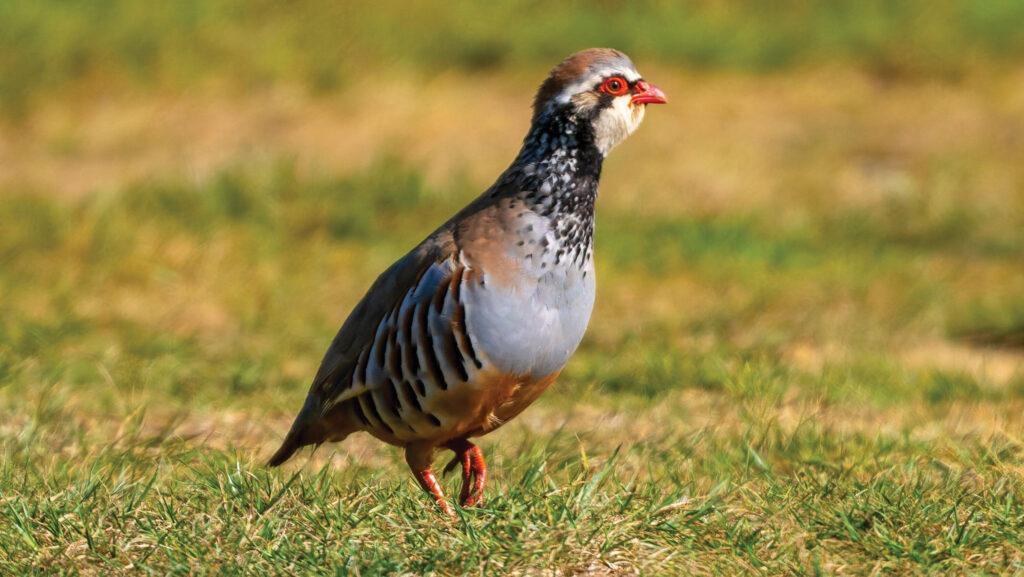
Dr Roger Draycott, GWCT director of advisory and policy, tells Farmers Weekly that releasing gamebirds must go hand in hand with these three activities – the “three-legged stool” of game management – to protect farmland wildlife, including red-listed songbird species.
Paul Young/Alamy Stock Photo
At the GWCT’s 780-acre Allerton Project in Leicestershire, long-term monitoring shows songbird numbers doubled when gamebird management was introduced, halved when game management was stopped, but recovered again when it resumed.
In the 2023 Big Farmland Bird Count, organised by the GWCT and partners, farms with gamebirds recorded 36% more songbirds.
© GWCT
Other research cited by the trust found pheasant-managed woodland holds up to 32% more wild birds, while estates releasing gamebirds have up to 65% more hedgerow per sq km.
Shooting can provide an incentive for private investment in habitat management, although results will depend on how individual estates are managed.
The economic and social case
The 2024 Value of Shooting report, commissioned by 24 rural organisations and produced by Cognisense, estimates that shooting providers and volunteers undertake £500m of conservation work a year – equivalent to 26,000 full-time jobs or 14m workdays.
Habitat management and conservation linked to shooting are carried out across 7.6m hectares.
The same report estimates that shooting contributes £3.3bn to the UK economy and supports 67,000 full-time equivalent jobs.
© GWCT
Dr Draycott warns that if private investment from shooting disappeared, it would be unlikely to be replaced by public funding.
He also points to the wider supply chain, from fencing contractors to village pubs hosting shoot days, and the social benefits shooting brings to farmers and rural communities.
The case against
Critics argue that the current system is failing to prevent environmental damage and wildlife crime.
The RSPB says more than half of raptor persecution incidents over the past decade or so occurred on or near land managed for gamebird shooting (see panel).
In response, the Countryside Alliance says the population of nearly every raptor species is currently at a historic high, and hen harrier breeding numbers are growing rapidly.
Wild Justice raises wider ecological concerns, arguing that released pheasants and partridges now outweigh native breeding birds by biomass in spring.
It also highlights disease risks, pressure on invertebrates and other wildlife, rearing welfare and road safety.
The licensing question
Regulation is the crux of the dispute. The RSPB wants licences conditional on legal compliance, arguing that estates associated with wildlife crime should risk losing their right to operate.
It points to Scotland’s grouse-moor licensing system and says responsible shoots should have nothing to fear.
Dr Draycott disagrees, arguing that licensing could create disproportionate restrictions.
He cites Breckland and Salisbury Plain, where existing licensing arrangements near protected sites have, he says, made some shooting operations unviable, resulting in gamekeeper redundancies and less conservation work.
Mr Bonner says: “Any licensing scheme would first require the activity to be banned. Whether this is releasing gamebirds or shooting them, the result would be that these could only take place under licence and a licence could be removed at any time.
“In those circumstances, investment in shooting businesses would dry up overnight. Who is going to put money into a shoot that could be closed at the whim of a minister or civil servant?”
What happens next
Defra has yet to set a timetable. It has committed to publishing a summary and final report, alongside an independent assessment of the sector’s economic value.
It will then have to decide whether to move towards legislation and consult on proposals for licensing the release and/or the shooting of gamebirds. The next stage would then be to seek a legislative slot before the end of the Parliament.
RSPB seeks tougher oversight of shoots
As an organisation, the RSPB says it is not ethically opposed to gamebird shooting, but wants licensing to drive up standards.
While acknowledging that land managed for shooting can have environmental benefits, it is the “unique level of intensification” of many shoots in the UK that causes problems, says Kate Jennings, head of species policy at the RSPB.
“With around 40 million pheasants a year released into the countryside, that is roughly double the biomass of all other bird species in the spring,” she says.
“The impact on plants, insects and disease risk are considerable,” she says, pointing out that penned pheasants are particularly susceptible to avian influenza, which may be released into the wider bird population if it goes undetected.
But it is raptor persecution which is the “big one”, says Ms Jennings, noting a “persistent link” between organised shoots and losses of birds of prey.
“Over the past 10 years there have been 921 confirmed incidents of raptor persecution, of which 55% are associated with shooting estates,” she says.
Ms Jennings accepts that some birds of prey – such as red kites – benefit from the ample food supply provided by shot or injured pheasants.
“But for some species, persecution is endangering their populations or at least hindering their recovery,” she says. “Hen harriers are 10 times more likely to die on grouse moors than anywhere else.”
The RSPB does not seek an outright ban on game shooting, but says licensing will provide a “proportionate and effective” deterrent to wildlife crime.
“Raptor persecution is a criminal offence and requires a high level of proof to even get to prosecution, while the penalties usually only amount to fines,” says Ms Jennings.
“With licensing, it would be a civil offence which requires a lower threshold of evidence. If you were caught you would lose the licence, so there is jeopardy for the whole shoot.”
The RSPB would like to see conditions attached to licences, including recording birds released, high biosecurity standards, pre-release checks for avian influenza, and compliance with the ban on lead shot.
“Licensing will put the whole industry on a more secure footing,” says Ms Jennings, “After all, if you’ve got nothing to hide, you have nothing to fear.”
In numbers: Shooting’s rural impact
- £3.3bn in GVA is generated by shooting for the rural economy each year
- £500m worth of conservation work, equivalent to 26,000 full-time jobs and 14m workdays
- 620,000 individuals are actively involved in shooting-related activities
- 7.6m hectares managed for habitat and conservation
(Source: 2024 Value of Shooting report)