

GB lifts bird flu prevention zone after risk drops
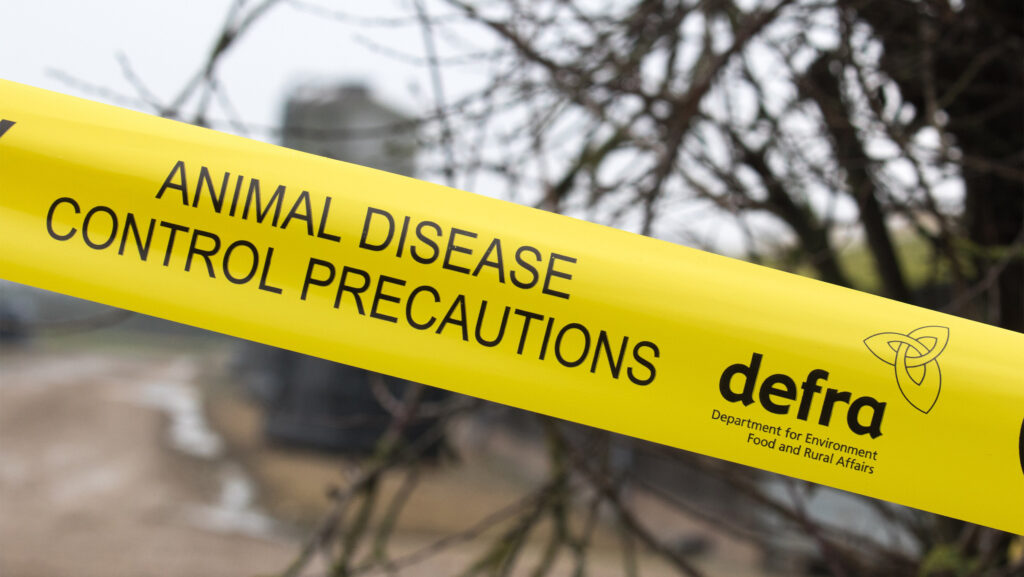 © Tim Scrivener
 The avian influenza prevention zone (AIPZ) covering Great Britain was lifted at noon on Thursday 4 June 2026, following a reduction in the risk posed by the highly pathogenic avian influenza strain H5N1.
The UK’s chief veterinary officer, Christine Middlemiss, confirmed the move, which ends the legal requirement for bird keepers in England, Scotland and Wales to follow enhanced biosecurity measures introduced to limit the spread of the disease.
The measures were first introduced across England in December 2024 and later extended more widely as part of efforts to protect poultry and captive birds from avian influenza circulating in wild bird populations.
See also: Defra-funded poultry biosecurity visits now available
The latest risk assessment, based on current epidemiological and scientific evidence, indicates that the risk from the disease has now reduced in both poultry and wild birds.
Despite the easing of restrictions, birdkeepers are being urged to remain vigilant and maintain high standards of biosecurity at all times.
Dr Middlemiss said: “The evidence clearly shows that the risk of avian influenza to poultry across Great Britain has reduced, making this the right time to lift the prevention zones.
“This has been possible because of the hard work of all bird keepers, who have upheld high biosecurity standards for many months.”
But she added: “It remains vital that keepers remain vigilant and maintain high levels of biosecurity to keep flocks safe. Low risk does not mean no risk.”
Biosecurity advice still critical
All birdkeepers – whether responsible for commercial flocks, backyard poultry or pet birds – are being reminded that strong biosecurity remains the most effective way to prevent future outbreaks.
Recommended measures include:
- Cleaning and disinfecting clothing, footwear, equipment and vehicles before and after contact with birds
- Minimising movements of people, vehicles and equipment to reduce contamination risks
- Maintaining effective vermin control
- Regularly cleansing and disinfecting bird housing
- Ensuring disinfectant is available at access points and used at the correct concentration
- Preventing contact between poultry and wild birds, including protecting feed and water sources.
In Scotland, although the AIPZ is being lifted in line with the rest of Great Britain, restrictions on bird gatherings will remain in place while the Scottish government continues to assess the risk.
Scotland’s chief veterinary officer, Sheila Voas, said: “This has been a challenging time for birdkeepers across Scotland. We appreciate their co-operation in maintaining good biosecurity even as the AIPZ is lifted.
“We have decided to keep the restrictions on bird gatherings in place but have commissioned a risk assessment to be carried out.
“We will consider the results of this risk assessment and whether scientific evidence supports reducing the restrictions on bird gatherings in due course.”
Support for poultry keepers
Poultry keepers in England may also be eligible for support through the Poultry Biosecurity Review (PBR), a voluntary, time-limited scheme offering vet-led assessments to help strengthen disease prevention and improve flock health.
Avian influenza remains a notifiable disease. If you suspect any type of avian influenza in poultry or captive birds you should report it immediately, and failure to do so is an offence.
In England call the Defra Rural Services Helpline on 03000 200 301. In Wales, contact 0300 303 8268. In Scotland, contact your local Field Services Office.