

Government under pressure to extend Ensus CO2 support deal
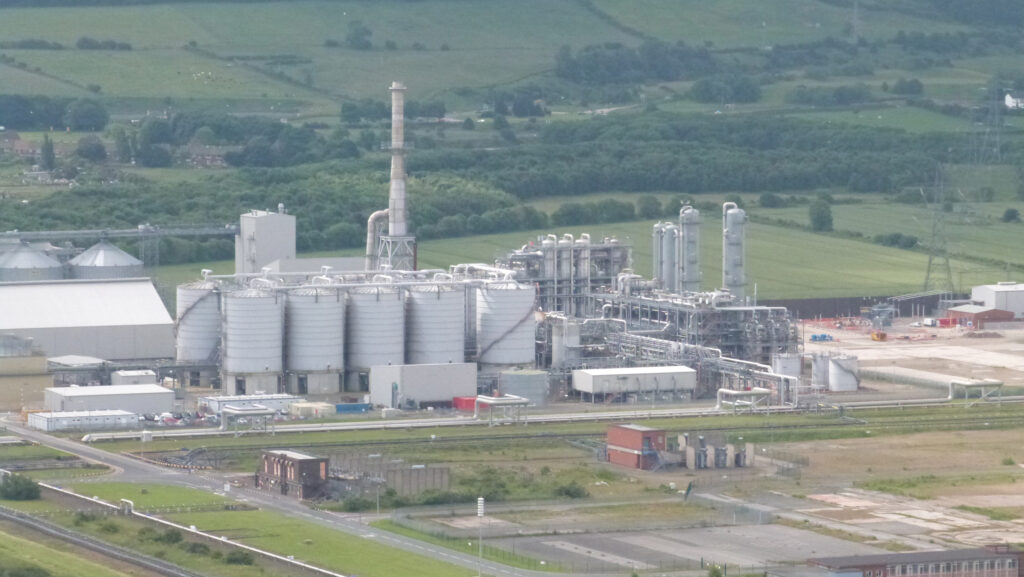 The Ensus plant © Ensus UK
 Ministers are facing mounting pressure to extend emergency support for the Ensus bioethanol plant, as industry leaders warn the UK could once again be exposed to CO2 supply disruption.
The government agreed a three-month support package in March to restart the Teesside plant amid fears conflict in the Middle East and disruption to European fertiliser production could trigger severe CO2 shortages. The package, worth £100m, is due to expire at the end of June.
See also: Cattle numbers up on 50% of farms, beef survey reveals
CO2 is critical to the food chain, particularly meat processing, where it is used to stun pigs and poultry before slaughter and in packaging to preserve fresh products.
John Powell, chief executive of the British Meat Processors Association (BMPA), said the Ensus restart had stabilised the market and prevented disruption.
“With the extra supplies that have come through Ensus, we’ve had no problems at all,” he said.
However, he cautioned that the risks that prompted the government intervention had not disappeared and said he would be urging government this week to continue support until global conditions had stabilised.
Gas industry publication Gasworld also warned that ministers faced a significant decision as summer demand pressures built.
“The stakes are extremely high for the UK government,” said Rob Cockerill, global content director at Gasworld.
He explained that ministers had already been alerted to the risks a “World Cup summer” could place on CO2 demand, particularly if geopolitical disruption, warm weather and increased consumer demand combined simultaneously.
“The plant’s reopening in March provided a critical buffer for a range of industries, agriculture included, which depend on stable CO2 supplies. For the time being, major shortages have been averted,” said Mr Cockerill.
“There is little doubt, however, that the UK continues to face deep structural issues in its CO2 supply chain. The UK is particularly exposed as around a quarter of its CO2 demand is met through imports.”
Mr Cockerill added that European gas storage levels were emerging from winter at much lower levels than the previous year, adding further pressure to rebuild inventories ahead of the next demand cycle.
The Department for Business and Trade said it would continue to monitor market conditions, as well as value for the taxpayer, before deciding whether ongoing support for Ensus was required.