

Opinion: Badger culling still needed, says Defra secretary
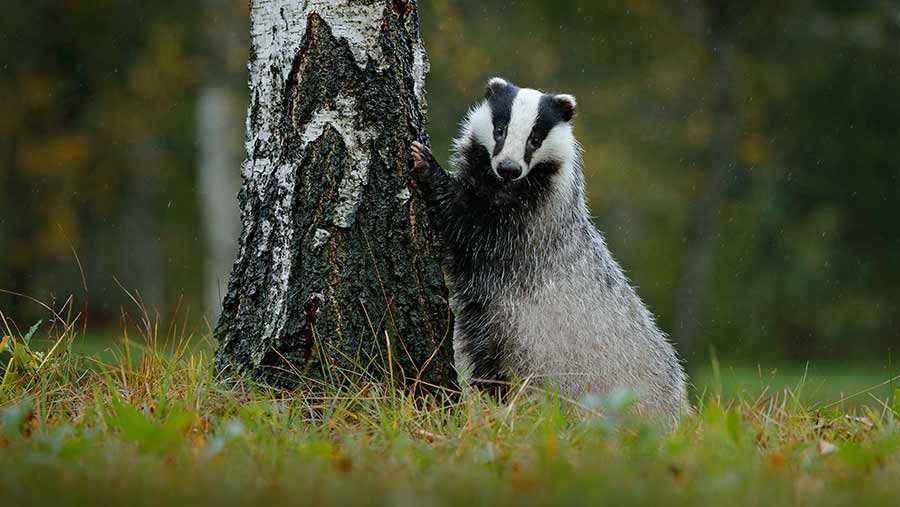 © Ondrejprosicky/Adobe Stock
 Bovine TB is undoubtedly one of the most difficult and intractable animal health challenges that we face today.
It leads to thousands of cattle being culled each year and has a devastating impact on our rural communities.
Farmers have always held the welfare of their livestock in the highest regard so, when an outbreak occurs, the financial repercussions and emotional burden can be severe.
And it is because of this that we continue to take its eradication extremely seriously.
See also: Badger culling policy reduces cattle TB by 56%, study shows
About the author
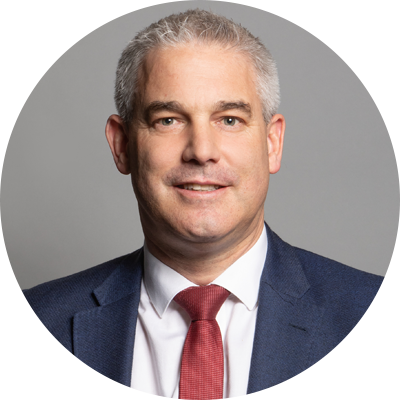
Steve Barclay is the the current Defra secretary, having been appointed in November 2023.
Our strategy for tackling the disease is working, and we are now seeing the lowest number of new bovine TB breakdowns in nearly 20 years.
However, we must not be complacent. That’s why last week we launched a consultation to shape the future of bovine TB policy and ensure this downward trend continues.
I have been clear that we do not aim to remove all badgers in the culls and that is not the aim of this new policy.
This consultation sets out an evolution of our ongoing disease control.
We will still cull badgers where there is evidence to do so, and we will move to protect those in areas where we’ve stopped their current role in spreading disease.
The new proposals would take a new targeted approach and retain badger culling as an option in high-risk and edge areas across much of south-west and central England, where high levels of infection in cattle remain and where evidence suggests badgers are part of the problem.
Culling would continue in these targeted areas until the disease situation has improved, subject to a review by the UK’s chief veterinary officer.
Badger vaccination would then take place with support from government to ensure the positive results achieved through culling are maintained.
There is no single solution for tackling bovine TB, so we must continue to make use of the full range of tools we have at our disposal.
We have already come a long way on the journey towards eradication, and I want to reassure you we will continue to do whatever is required to eliminate this devastating disease in England by 2038.
Indeed, we are not afraid to take decisive action wherever needed to support farmers to run profitable farm businesses that feed the nation and protect our countryside.
It’s why we acted quickly to open the Farming Recovery Fund earlier this year to support farmers impacted by flooding.
It’s why we are increasing the average value of agreements in the Sustainable Farming Incentive (SFI) and Countryside Stewardship by 10%.
We are also doubling the management payment for SFI, so those with existing agreements receive up to an extra £1,000 in the spring.
And it’s why, just last week, we launched a consultation to make food labelling fairer, supporting farmers and growers and ensuring high-quality British produce is recognised.
I know there will continue to be challenges and that some farmers are still battling the impacts of recent floods and rising costs.
But as shown through our work on bovine TB, be assured that as environment secretary I will continue to listen to your concerns, take swift action and fight your corner.