

Opinion: Reasons to be cheerful with strong demand for food
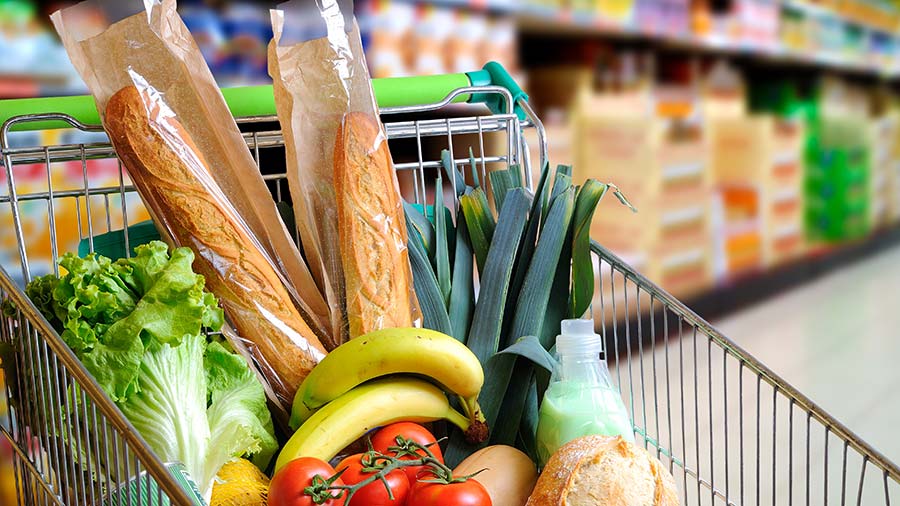 © AdobeStock/Davizro Photography
 Twelve years ago the government’s then newly appointed chief scientific adviser, Sir John Beddington, gave a seminal speech outlining what he described as a “perfect storm” of population growth and rising food, water and energy demand, set against a backdrop of a changing climate.
This would, by 2030, reach a potential crisis point for many nations around the world, he said.
The speech followed events of 2007-08 when, after a long period of relative abundance and correspondingly low commodity prices, food supplies tightened around the world, causing prices to spike, in turn triggering a wave of protests and food riots in many countries.
About the author

This is widely credited as a catalyst for the so-called Arab Spring, and much of the ongoing unrest still witnessed throughout the Middle East and elsewhere today.
See also: Farmers must still raise efficiency to cut methane, says David Alvis
After a generation in the wilderness, farming and food security was back on the global political agenda, with governments around the world prioritising new funding for agricultural R&D, so long denied yet so badly needed to re-energise a flagging farming sector.
Globally, agriculture responded with aplomb. It is a moot point how much of this was down to political intervention rather than an industry responding to market signals, combined with a run of relatively benign weather and bountiful harvests.
But in a relatively short timeframe, food supplies increased and, as stocks-to-use ratios around the globe climbed back into the comfort zone, commodity markets stabilised.
As stomachs and store cupboards refilled, society’s problems appeared to grow (as they do), and food production – in the developed world, at least – was pushed back down the list of priorities as climate and the environment took centre stage.
But the issues, so eruditely articulated by Prof Beddington in 2009, haven’t gone away and, as the world emerges from the grip of the Covid-19 pandemic, food prices have started to spike again, reaching levels not seen since the days of the perfect storm speech.
Yet this time they are exacerbated by simultaneously escalating fuel costs, aggravated in no small part by naïve and ineffective energy policies enacted by governments seemingly more concerned with signalling their green credentials than ensuring basic food and energy security for the very people who put them in office.
So what does this mean for agriculture, the Cinderella industry whose all-too-fleeting moments in the spotlight may once more be returning?
For those feeling jaded and despondent about the future, I would suggest that there are more reasons for optimism today than there have been for a decade, at the very least.
Commodity markets are fickle and volatile beasts, but expenditure on food is essentially non-discretionary and cannot be deferred more than a matter of days.
Add to that a nascent and growing demand for land to meet climate change mitigation targets that will underpin asset values, and all of a sudden farming’s future starts to look a whole lot rosier than was the case a couple of years ago, when being relegated to little more than park-keepers was the best we could look forward to.
So, as the festive season approaches, we should all look forward with cautious optimism to better times ahead. For all its woes, agriculture remains a cornerstone of our society, and long may that continue.