

Editor’s View: Defra diverging from EU on one key principle
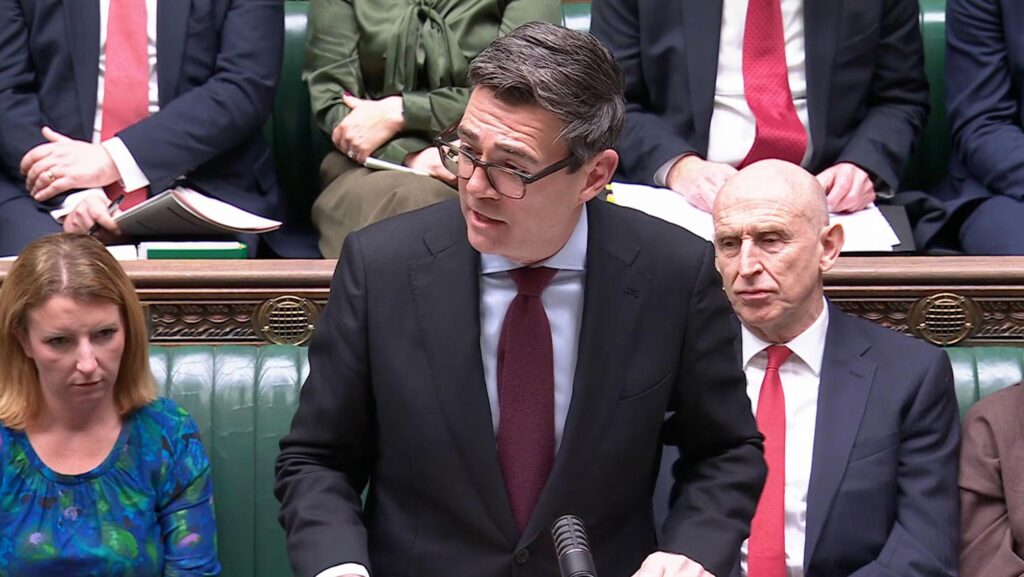 Andy Burnham © PA Images/Alamy Stock Photo
Divergence and alignment is the business of this week as we wait to find out the details of the deal to give back a big chunk of our decision-making powers on agricultural regulations to the EU.
But even the arrival of the long-awaited Brussels summit on Friday (20 November), delayed by the departure of Sir Keir Starmer, may not see the publication of the full text that will reveal in granular detail what is coming down the track.
The deal, in pursuit of regaining at least some of the ground we’ve lost in food exports to the trading bloc, is sure to cause a big fight between the government and opposition MPs, with the Conservatives and Reform already pledging to renege on it.
See also: Pig producers face £25-a-head losses as prices reach new low
About the author

And if the rumoured long transition period turns out to be a reality, the new regime may not become reality until after the next election, giving rise to a fresh bout of uncertainty.
In the Commons on Wednesday (18 November), prime minister Andy Burnham said he was going to be “fighting in Brussels on Friday for a new arrangement to improve the Tory Brexit deal that actually will support our farmers and food producers.”
He also went on to say that he recognised more broadly that the government can do more to support farming.
However, separate remarks later noted that he is asking government departments, presumably including Defra, to make cuts in 2028-29 to fund his big plans for changes to welfare.
If one is looking for evidence within Defra of penny-pinching already, then a different sort of divergence could be pointed to – the split between its approach and the Scottish government’s to supporting the crisis-hit pig sector.
Holyrood came out in July with a £2m package to “support farms most at risk from a prolonged drop in pig prices, which is threatening businesses and the long-term viability of the Prime Scottish Pork brand.”
Yet more than four months on, there is no sign that Defra is intending to do likewise to support English pig producers, despite farming minister Stephen Morgan being warned repeatedly – and correctly – that the crisis would peak in November.
Speaking on the topic at the AIC conference last week, he said the Treasury would need really strong evidence to demonstrate a reason to provide financial support for the sector, implying that neither he nor it yet feel that threshold has been met.
And it should be acknowledged that this was an easier job for Holyrood, with Scottish output only accounting for 2% of total UK slaughter, meaning the bill for Mr Morgan to do likewise would be many times higher.
That is but one topical case study, but it is indicative of a broader point. When you lump in all the differences between England and the devolved regions on farming policy, you begin to see a lot of internal UK divergence on attitude to farmers, even as Westminster pursues alignment with the EU on farming standards.
I wonder when they will recall that the purpose of the EU being a protectionist trade bloc is to safeguard the producers of its food as well as their output?