

Editor’s View: Heat is on as harvest gets under way
 © GNP
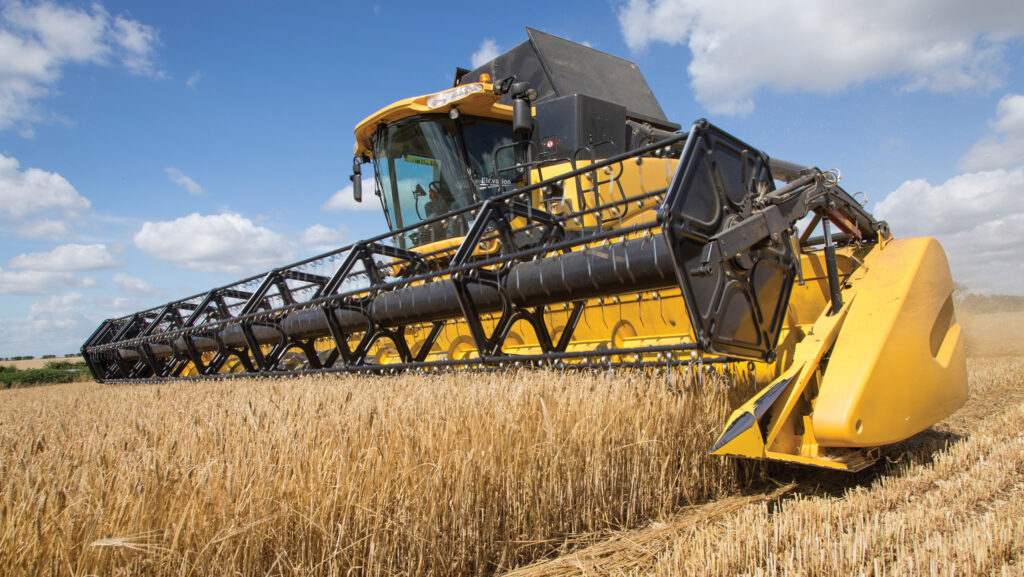
© GNP And so combines roll once again across a widening slice of England, with many farmers starting earlier than ever after bone-dry conditions saw crops race towards ripeness.
It’s many things to many people, but it would be wrong to deny that for a lot of farmers, at least some of the time, it’s great fun.
Watching the combine that has sat brooding in the shed all winter suddenly justify the depreciation, cheerfully teasing someone taking four attempts to reverse into the grain store, or relishing the metallic snap of an ice-cold drink being opened under a blazing sun.
See also: Hot spell drives early barley harvest in eastern England
About the author

It’s also a time of anxiety – hoping not to hear the hum of a machine in full flow clatter and then fall silent, a puff of smoke to appear in tinder-dry straw, or for the heap in the shed to be smaller than expected.
It’s a time of danger – it would not be the start of harvest without a customary plea from all of us here at Farmers Weekly to ask that you recommit to keeping yourself and those around you safe at this busy and stressful time of year.
After a troubling spate of deaths and injuries already in 2026, it would be absolutely tremendous to round off the harvest season by noting that the customary accident rate had fallen sharply.
Ultimately, harvest is a time of truth – when the cumulative impact of all the agronomic decisions made and all the weather impacts of the past year are revealed in that yield figure.
While sat in the cab, it is inevitable that many of you will be mulling those cumulative decisions and what could be done better or differently next season, and how to cope as hotter days become more frequent.
Here at Groundswell this week, those discussions were in full flow. At a reception for the Duchess of Edinburgh, the UK Centre for Ecology and Hydrology and Niab presented on their work to consider which crops may withstand further increases in average temperatures.
These included a mooted renaissance for flax (no processing yet available) and a drive for more chickpeas and other pulses to displace imported soya (more work needed to develop varieties with an earlier harvest date).
There was the usual abundance of hardware and software products to tick this or that box, as well as new attempts to get more private finance into farming, such as via Wildfarmed’s Food & Nature Resilience Fund.
This will see Lloyds Bank, water companies and insurers pool funding to buy regenerative practices, with “a fundamental principle of the fund that the shift to regenerative practices must be commercially viable for the farmers undertaking it”.
I think it is reasonable to say that this event is hardening its focus on practical solutions rooted in pounds and pence as the business of food production gets more challenging. If we are to continue to keep the harvests coming in, we will need all the help we can get.
Farming must acknowledge that it is not always possible to carry on as we once did – and the customers that rely on us will have to help find practical solutions that fit.