

Editor’s View: Major gap in our animal health defences
 © AdobeStock/Make_story StudioScience
 It is the plot of a thousand Hollywood movies – the grizzled, old veteran being dragged back into action long after they are past their best to do one more job.
But this time it’s not Clint Eastwood’s weary gunslinger in Unforgiven, it’s a ramshackle collection of government-owned laboratories in Surrey.
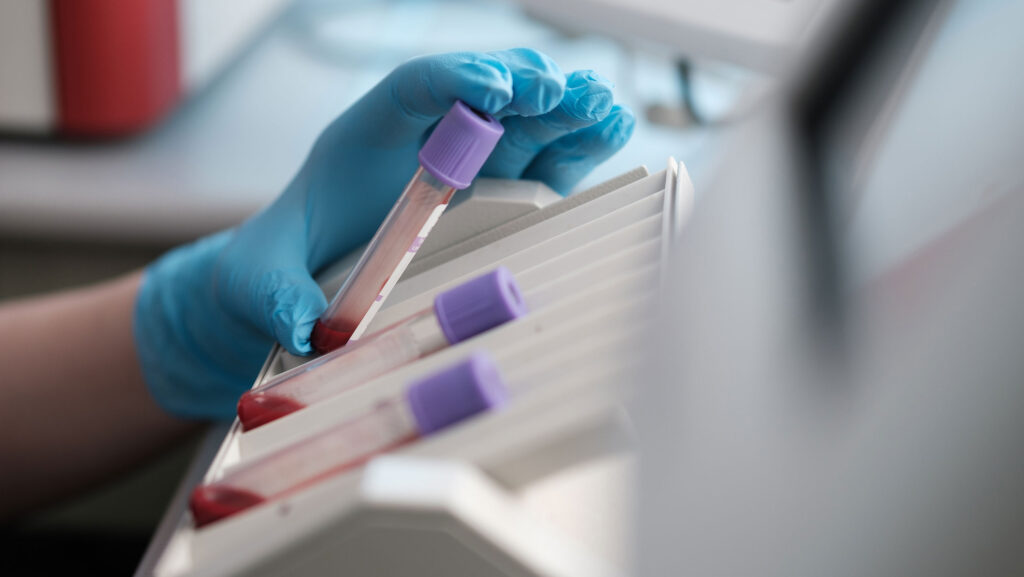
Weybridge, the headquarters of the Animal and Plant Health Agency (Apha), is being pressed into action to support The Pirbright Institute – its overworked neighbour just half an hour down the road – with processing bluetongue blood tests.
See also: Second laboratory opens to speed up bluetongue testing
About the author

Pirbright has until now been handling tests for the whole of the UK, but with a growing backlog of cases, the decision was taken this week to call for backup.
Farmers will naturally welcome any additional support that sees them get faster test results at a time of high stress.
But Apha has been tight-lipped as to exactly how much help Weybridge can offer, with officials not answering questions about its capacity.
Could this be down to embarrassment about the state of it?
After all, Defra’s latest annual report noted that “the condition of the site continues to deteriorate more quickly than can be maintained, resulting in increasing frequency of infrastructure failures.”
As someone who has read a few government documents in my time, I can count on the fingers of one hand the number of times I’ve seen assessments as grimly honest as that from public servants, who typically tend to dress things up a little more.
Two years ago, Defra’s Outbreak Readiness Board lowered its rating for the site’s capability to respond to a medium-severity outbreak.
A report by the National Audit Office said this was due to “an increasing level of building failures, and reduced ability to undertake planned remedial work due to pressure on the science facilities to respond to outbreaks”.
Hardly the place you want on the front line of the UK’s most challenging disease outbreak.
It is to be hoped that this additional testing it is being called on to do now will not further delay progress with these desperately needed upgrades.
Happily, unlike Clint Eastwood, Weybridge has the ability to un-grizzle itself, and work is already under way on a major renovation project called the National Biosecurity Centre programme.
Much-trumpeted major upgrades to facilities should see Britain maintain its ability to deal with research, surveillance and response to major farm animal diseases, but concerns remain about how short we are on resource until the work is done.
Despite work on the programme beginning nine years ago, construction of the main laboratory buildings will not start until next year and work is not scheduled to finish until 2034.
As I acknowledged last week, there has been a favourable response from industry to the government’s handling of the outbreak so far – Apha vets and staffers on the front line will be doing all they can to support farmers.
Yet it is deeply uncomfortable to find ourselves in precisely the situation that has been warned about for years – being stretched to breaking point to deliver the minimum level of service.
The next eight years is going to feel like an awfully long time.