

Editor’s View: New TB strategy welcome despite end to culling
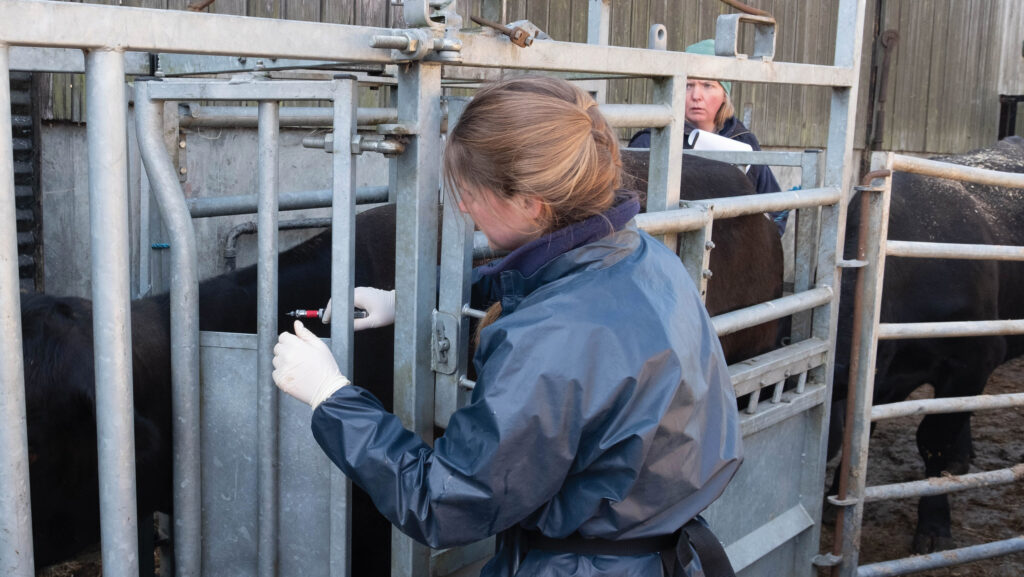 © Tim Scrivener
 The launch this week of the next bovine TB strategy for England by the independent TB partnership is a pivotal moment for any cattle keeper.
If rubber-stamped by Defra, it will see sweeping changes to how the disease is fought, with experts hoping the new tools and actions will intensify and accelerate efforts to achieve disease-free status by 2038.
Tactics include greater use of the higher-sensitivity gamma blood testing, the introduction of a cattle vaccine (slated for 2030) and greater powers for farmers to test outside of the compulsory windows (if they’re willing to pay for it).
See also: TB cattle vaccine set for rollout by 2030 in England
About the author

These are significant and positive steps that should pay off in the long term, but there will be more pain for farmers to bear on the road to get there.
For if these tests do their job and hunt out a greater proportion of infected cattle than the current regime, then the experts who briefed the media this week warned there is likely to be a surge in the number of animals culled.
Despite financial compensation, that will give rise to more cost and more heartache for beef and dairy farmers in the short term, many of whom have already seen their businesses suffer with this remorseless pathogen for decades.
And this is the point that John Cross, farmer and chairman of the steering group that authored this new strategy for Defra kept referring to: while there has been progress in recent years, it is not happening fast enough, so a new approach is needed.
It is right to lament Labour’s dogmatic anti-culling stance as a policy rooted in politics not science
The reason he and his panel of experts are wanting to make this point so vociferously?
Hanging over everything is the fact that badger culling is being taken off the table.
This is despite admissions (sometimes through gritted teeth) that it has contributed to falling TB cattle disease incidence rates in the past decade.
So it feels like they are wanting to speed up while slamming their foot on the brake.
Yet that does not tell the whole story.
Badger culling, wherever it took place, was one of a package of measures including enhanced testing and biosecurity – all of which will have contributed to better outcomes.
And disease experts are adamant that cattle-to-cattle transmission is the primary route that the disease spreads within herds (although they have admitted that the impact of other reservoirs of disease such as deer is poorly understood).
Indeed, according to the largest study of its kind, cattle-to-cattle transmission was found to occur on average 17 times more frequently than badger-to-cattle transmission. So this feels like one of those situations where two competing things can be right at once.
It is right to lament Labour’s dogmatic anti-culling stance as a policy rooted in politics not science.
Keeping it as an option would have been helpful.
But it is also right to acknowledge that badger culling alone was not going to eradicate TB. It being off the table does not necessarily mean we’ll go backwards if other tools can do even more.
We have had strategies to tackle this problem since 1935 and we are not there yet.
But on balance this feels like an approach that will get us closer.