

Editor’s View: Time for the arable sector to sound the alarm
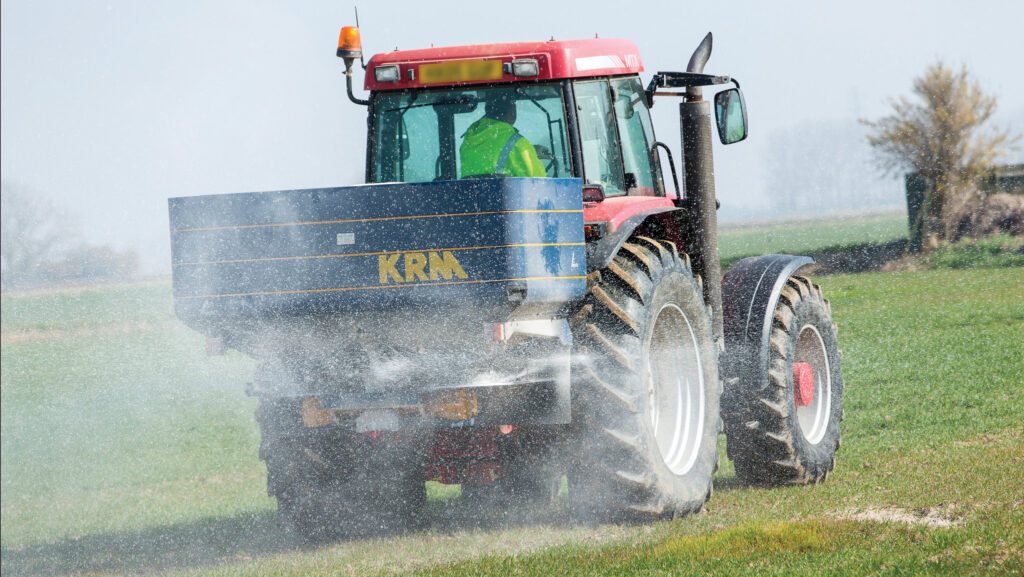 © GNP
© GNP As I have written in this column before, farming is in many ways remarkably good at not changing too quickly despite the pressures that often weigh on it.
This is naturally frustrating to some, such as farmers in a hurry, sales reps with shiny things to sell, and policymakers wondering why they haven’t changed the world.
Indeed, at some of our industry’s grey-haired banquets you could be forgiven for wondering if any time had passed at all since the middle of the last century.
See also: Farm viability under mounting pressure, MPs told
About the author

That’s not always a bad thing of course – the farming youth (those under 40) that do manage to attend these things need their elders to help foot the wine bill in these straitened times.
This week I had the honour of attending a dinner in the House of Lords put on by the Farmers Club 1795 – the oldest agricultural club still in existence – and distinct from the more well-known Farmers Club in Westminster.
It’s remarkable to think that there is an unbroken line of grumpy aristocrats who have broken bread together from before the repeal of the Corn Laws to the present day.
The venerable gathering included hereditary peers who will shortly be booted off the red benches to give more room to the grubby pals of prime ministers past and present.
With their departure, some lament, will go a much-needed chunk of farming expertise that is becoming an increasingly rare asset in the chamber.
While others may share a different view of whether the interests of large landowners fully align with the interests of a progressive agricultural industry, it does feel like we are in a situation where the arable sector, in particular, needs all the help it can get.
Consultants tell me they are spending their days going up farm drives to have “difficult conversations” with growers who – unless they are diversified or own some of the country’s finest dirt – will make a loss this year.
And what of harvest 2027?
Fertiliser traders, who are making their earliest new-season sales this week, fret about being unable to offer the typical discount for this time of year due to the ongoing Iran conflict.
This week, the Indian government propelled the global nitrogen market higher after buying 2.7m tonnes (well above what it typically buys at this time of year) for a rate that would translate to a UK urea price of £750-£800/t.
Meanwhile, the phosphate price is also soaring amid a shortage of sulphuric acid, critical to the manufacturing process – also stranded the wrong side of the Strait of Hormuz.
And whispers keep leaking out of Westminster about the dynamic alignment deal with the EU being almost complete, with pre-harvest glyphosate and the herbicides that are approved only in the UK apparently still in peril.
Our industry has cried wolf an embarrassing number of times over the past few decades, only for worst-case scenarios to quietly evaporate.
But we are currently on a path towards a period of imposed change which will fundamentally alter the course of the arable sector at a rate we are not accustomed to.
This time the wolf is real.