

Opinion: Farmers need support in move to higher hen welfare
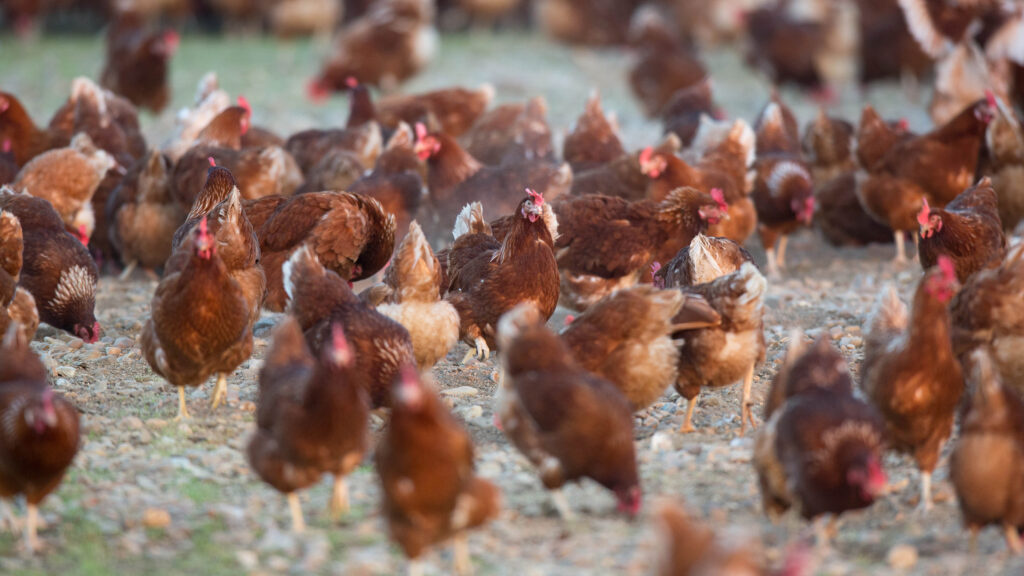 © Tim Scrivener
 I have spent more than 20 years standing in poultry sheds and farmyards talking to producers who both care about their birds and about keeping their businesses viable.
I’ve seen pride, pragmatism, exhaustion, and plenty of ingenuity.
But if you’d have told me back when I started that in 2026 the UK government would be consulting on phasing out cages for egg-laying hens altogether, I’d have said you were dreaming.
Yet here we are. I think it’s worth reflecting on how we got here – and how we can move forward together.
See also: UK egg sector faces housing investment gap
About the author
Jane Howorth is the founder and chief executive of the British Hen Welfare Trust. Here she sets out the case for a supportive transition towards cage-free egg production.
I grew up in Hampshire and Berkshire, not on a farm, but close enough to rural life to have a feel for its rhythms and realities.
At 19, I watched a BBC Panorama documentary called Down on the Factory Farm, and it changed my life.
But instead of filling me with anger, it sparked a question: what could I do to help that was practical, pragmatic and worked with farmers, instead of opposing them?
Following a move to Devon in 1995, I finally had some land and a chance to take on hens at the end of their egg-laying lives. I set out to collect 12, but ended up with 36 in the back of my Mini Metro.
All had been destined for slaughter. But standing in that barn, with a slightly bemused farmer, I didn’t see a villain. I saw a businessman, doing his best for his hens and his family.
Hen welfare
The loss of my parents then inspired me to launch what became the British Hen Welfare Trust (BHWT) as a means to improve hen welfare while respecting and celebrating British farmers.
Two decades on, more than a million hens have been sent to happy retirement homes thanks to kind-hearted members of the public – and, in the case of our millionth hen, King Charles III.
The UK egg industry has also changed dramatically. British producers have led the way on welfare standards, often ahead of legislation, and consumers have followed. It’s progress the whole industry can take pride in.
So when I see Defra’s latest consultation – signalling the likely end of caged egg production altogether in this country – I see the next step on a road that farmers and welfare advocates have been walking together for decades.
I know that, at the same time, many producers will be looking on with concern – and rightly so, because the detail matters. Moving away from cages can’t be achieved through goodwill alone.
For many businesses, the sums simply won’t add up without meaningful support. Investment grants, tax reliefs and realistic transition timescales are needed if farms are to viably reconfigure housing.
Import policy
Trade protections are also critical. There’s no sense in asking British producers to meet ever-higher welfare standards if cheaper imported eggs undercut them.
At the BHWT, we’ve always believed progress works best when it is collaborative, fair and transparent. Welfare improvements are never delivered by legislation alone.
They are delivered by people, day in and day out, working in sheds and fields across the country.
Farmers must be properly consulted, supported and recognised through this transition, not left feeling cornered or blamed.
I often think back to those first 36 hens, and to that farmer who took a chance on me. That spirit of trust and mutual respect has carried us a long way.
The Defra consultation on banning cage egg production closes on 9 March and can be found on the Defra website.