

Opinion: Farming’s tough here – but try doing it in Zimbabwe
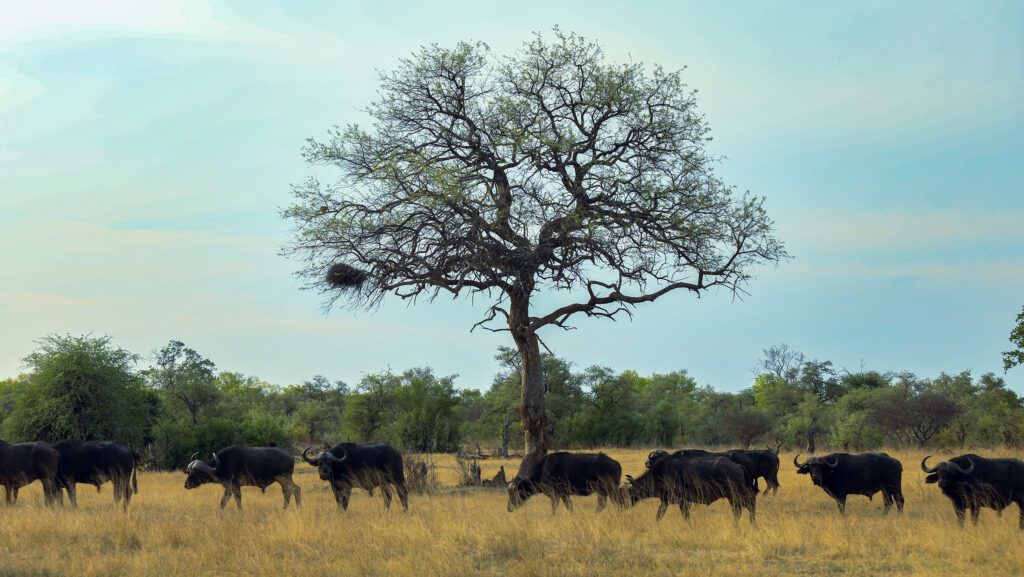 © iDave Primov/iStockphoto
 Now and again, we take on a work experience student. The last one actually stuck around for 10 years, so it seemed an opportune time to find a replacement for him.
Blake Van Rooyen has been working here for the past year as part of his studies at Bicton College, just down the road, although his home is in Marondera, a prominent farming area in Zimbabwe.
See also: Opinion – who needs musical talent? I’m a workshop alchemist
About the author

As part of his education in British agriculture (and to pass the time while keeping an eye on the grain cleaner) I have introduced him to the agricultural oracle that is Farmers Weekly.
I have also had to provide a bit of context to some of the articles Blake has been reading, as many of the issues are a little nuanced for someone used to farming in sub-Saharan Africa.
One observation – and by no means an original one – is that the readership of this noble publication often appears somewhat aggrieved.
I explained to Blake about the government’s inheritance tax raid on farmland and, in return, he explained to me Amendment 17 to the Zimbabwean constitution, which essentially nationalised private farms in the country with no compensation to the landowner, aka “expropriation without compensation”.
Turning to the arable pages and the tribulations of early drilled oilseed rape, we quickly agreed that devastating as the ravages of cabbage stem flea beetle may be, they perhaps lack a certain ferocity vis à vis the migrating swarms of locusts which pass through Blake’s homeland now and again.
Next, the livestock section and the constant headaches of bovine TB and livestock worrying. Or in our African reflection, endemic foot-and-mouth and livestock attack by leopards. Or maybe just a dog or jackal… albeit one with rabies.
I hope you’re getting the picture by now. This woeful litany of agricultural schadenfreude could continue to encompass drought, fuel and fertiliser shortages, regular power cuts, widespread theft, malaria and poisonous snakes, and make any sane person question why on earth you would consider farming in Southern Africa.
But that would be to do it an injustice. I spent a year there in the late 1990s and the magic of the place gets under your skin.
The challenges may be tough, but the farmers are tougher (and wear the shortest shorts known to humanity).
The soil and climate of the Zimbabwean Highveld can produce a scarcely credible variety and abundance of the finest crops, the scenery and wildlife are like nowhere else on earth, the people are enchanting, and the sunsets unforgettable.
So when I am sitting at the lunchtime table with Blake, trying to explain the iniquities of the recent Sustainable Farming Incentive fiasco, I can fully understand that we are working beyond the limits of his experience.
Things may seem hard in British farming, yet we have a government that pays you to grow wildflowers, and bird food, and for a vet to test your cattle.
Furthermore, we have the rule of law, and a police force and judiciary you can depend on when your interests are threatened.
So although we may seem constantly hammered by dry summers, a disinterested government, rocketing red diesel prices and the idiocy of Brexit, stepping back slightly I can see that to a Zimbabwean farmer these could appear mere lumps in the cushions of our feather pillowed bed.