

Opinion: Importing food can mean ‘offshoring’ emissions and morals
 © AdobeStock
 I’ve had some interesting conversations recently regarding cheap food imports and the impact they have, not only on British farmers, but also on farmers in poorer countries around the world.
I’m talking about people living and working in absolute poverty and appalling conditions just to keep the plates of the western world overflowing.
The first conversation was about the astronomical price of cocoa. Chocolate manufacturers suggest disease and ageing plants have resulted in a shortage of cocoa pods.
See also: Opinion – what if expansion or diversification aren’t options?
About the author

The blame for this, according to manufacturers, lies with the farmers – seemingly for not having enough money to plant new trees and for a lack of knowledge about growing and looking after the plant (despite the fact they’ve farmed it for millennia).
As a dairy farmer, I can recognise the situation in which someone is paid enough to just about survive, but not quite enough to enable reinvestment. They might then be invited to a meeting to be told how unknowledgeable they are about the job, which they know inside out through years of hard graft.
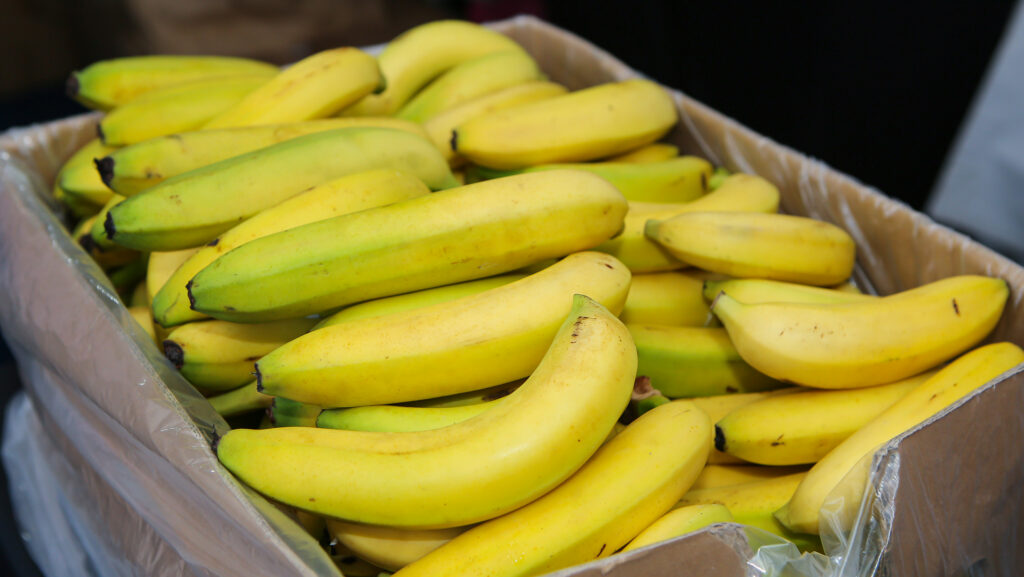
The next conversation was about banana plantations. Obviously we import all our bananas in this country, but that doesn’t mean we should turn a blind eye to the suffering and unfair treatment of plantation workers.
If you buy a non-Fair Trade banana, it will almost certainly have been supplied by a business which uses child labour, have been sprayed with chemicals which are banned in the UK, and been picked by someone living in poverty.
To ensure bananas remain in cheap and plentiful supply, as quoted on one website: “The workers are interchangeable and any sick or injured worker can easily be replaced by another.” I naively thought that in 2026 such attitudes were long gone.
In yet another depressing step on a slippery slope, KFC, Nando’s and other large food retailers have ended their involvement with the “Better Chicken Commitment”, instead opting for the Sustainable Chicken Forum (SCF).
Slower-growing chicken isn’t good for their carbon footprint. Sod the carbon, what about the chickens?
How can it be right that importing chicken from countries such as Thailand where there are dubious standards, both for the chickens and the workers, is seen as more favourable from an environmental standpoint? This is offshoring on a massive scale both for emissions and morals.
Over time, consumers have been brainwashed into thinking that food is an inexpensive commodity, eaten quickly or discarded like yesterday’s newspaper.
Supermarket marketing campaigns champion their first-class moral and ethical standards, but when it comes to getting the product on the shelf, everything has its price.
There’s a debate to be had about the affordability of food and the right of everyone to have access to healthy, nutritious meals, but when our ever-increasing demand for inexpensive, plentiful food is fuelling child labour and abuse in rural communities around the world, we shouldn’t look the other way.
Importing food which doesn’t meet our own high standards undermines everything we strive to achieve in British agriculture and enables practices akin to the slave trade to carry on.
This conversation is usually left out of sight and out of mind. It saves big businesses having to answer difficult questions and consumers wrestling with their conscience, but if it was their family members on a banana plantation being sprayed from the air with chemicals which cause deformities and early death, they might have a different view.