

Opinion: Live auction marts – the key to fair livestock pricing
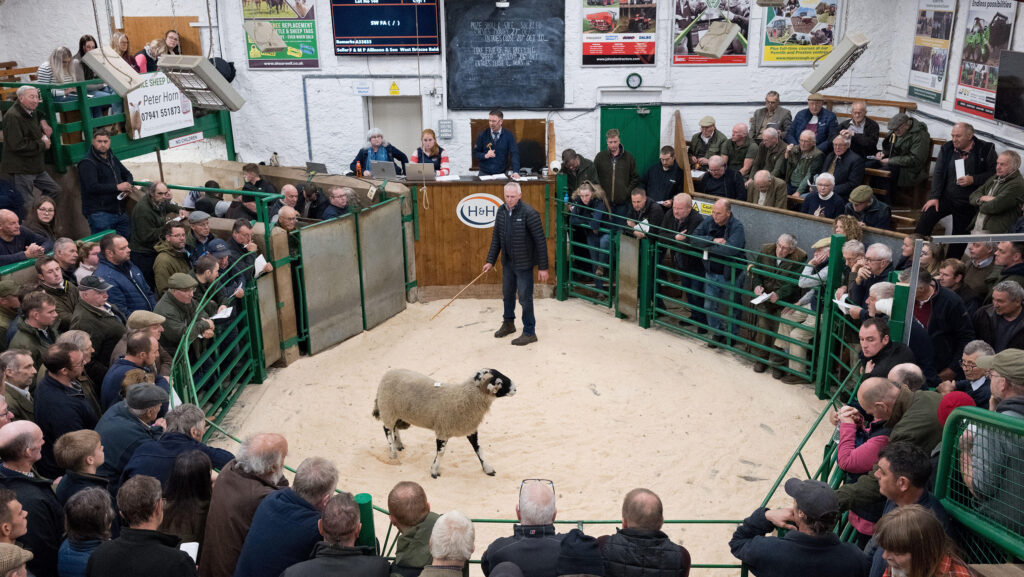 © John Bentley/Alamy Stock Photo
 Livestock auction markets have been at the heart of British farming for generations, bringing farmers and buyers together and helping livestock find its true value through open and transparent competition.
For transparency is one of the auction system’s biggest strengths. When an animal enters the ring, every buyer can bid.
See also: Find all our live auction prices in one place
The farmer is not relying on one person’s valuation or negotiating with a single buyer; they are selling to a full ring of competition. That is why auction marts remain important price setters for the livestock industry.
About the author

Grant Anderson is head of livestock sales for auctioneer Harrison & Hetherington.
Here he sets out the case for an active and vibrant live auction system.
Markets can sell every type of livestock, from calves and store cattle to prime stock and breeding sheep – all valuable commodities – so when selling through an auction company, farmers have the reassurance of prompt, secure payment.
There are also recognised conditions of sale overseen by the Livestock Auctioneers Association. Buyers and sellers know what description or warranty applies and have a process to follow if something goes wrong.
That protection can be harder to find in a private deal, where both sides may be vulnerable if the terms are unclear.
Standards
Animal welfare is central to everything we do, and standards are always monitored. Trained welfare officers are present in our markets, and any animal considered unfit for sale will not be allowed through the sale ring.
Of course, no one can ignore the challenges ahead. Cattle and sheep numbers have fallen over many years and there are larger herds and flocks being managed by fewer businesses and fewer people.
Disease is another constant worry. Bluetongue is restricting livestock movements, while bovine TB continues to cause disruption and anxiety.
Testing, monitoring and accuracy must be kept under review so disease is identified effectively, and farmers have confidence in the system.
This year, weather and feed availability are adding pressure for many farmers. Drought, reduced grazing and fodder shortages affect the condition and timing of stock coming forward.
However, tighter supply can strengthen demand, and I expect competition for calves, store cattle and breeding sheep to remain strong.
Supply chains
Procurement is changing as processors, retailers and farming businesses develop integrated supply chains and source livestock directly from producers.
Some buyers are purchasing younger cattle and keeping them longer, reducing the number of times those animals pass through a market.
We must embrace technology. Live online bidding alongside the ringside auction creates a hybrid sale with a wider audience.
This is valuable for pedigree sales, where buyers can follow the auction and bid from anywhere. It keeps the excitement and transparency of the live ring while opening the sale to a global marketplace.
Alternative selling routes give farmers choice, but they create competition for auction marts.
We must continue to demonstrate our value through strong buying support, transparent pricing, reliable payment, high welfare standards, professional advice and personal service.
Social role
We must also remember that the mart is about far more than the sale. For many farmers, market day is a chance to get away from the farm, have a cup of tea and speak to people who understand the same pressures.
Farming can be isolating, and that contact matters for mental health and wellbeing. Auction marts are business centres, but they are social hubs at the heart of rural life.
Markets cannot stand still. We must build relationships, adapt our sales programmes and work proactively to secure our share of a declining livestock population.
If we continue to evolve, the live auction system will remain a trusted link between producer and buyer, and an important hub for the farming community.