

Opinion: Saying ‘no’ to campers and walkers can be an opportunity
 © DMP/iStockphoto
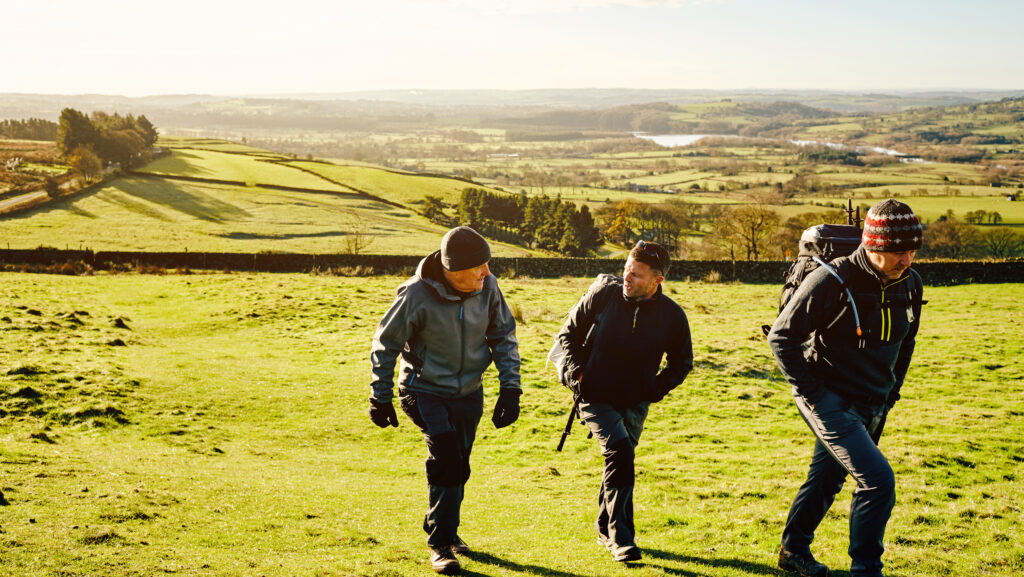
 As the weather improves the countryside fills with walkers, campers and others looking to escape everyday life.
Footpaths become busier, lay-bys overflow with campervans, and somewhere, without fail, someone decides a farmer’s field looks like the perfect place to pitch a tent for the night.
See also: Opinion – ‘baler twine sustainability’ shows farmer ingenuity
About the author

Many words spring to mind when I consider what I would say to someone found camping on my land, including the old cliché of “ger off my land”.
But the clientele matters enormously.
There’s a substantial difference between a weary hiker looking for somewhere safe to rest for the night and a group wanting to hold a boozy party in the field.
Are these people respectful walkers, carrying a backpack and leaving no trace behind them?
Or are they likely to leave litter, open gates and burnt patches of grass in their wake?
What many people outside farming fail to realise is that a tidy-looking green field is a workplace, not a public park.
It may also carry genuine risks, hence the question every farmer now automatically asks themselves: what if something goes wrong?
We live in a society increasingly shaped by blame culture.
Farmers operate under constant pressure from regulations, rising costs, public scrutiny and long hours. Many are already exhausted and isolated.
The idea of adding further worry, liability or confrontation into the mix is unappealing.
Most farmers do not want the extra stress of monitoring who is camping where, whether gates are left shut or someone has decided a silage field is an acceptable place for an evening barbecue.
There’s also the longer-term concern surrounding land access.
With phrases such as “right to roam” frequently appearing in public debate, many of us feel increasingly defensive about property rights.
There is no blanket right to wander anywhere, despite what social media suggests.
Farmers are often wary that repeated “tolerated access” could eventually create complications around public rights of way or expectations of access in future.
Despite all of this, I wonder whether farming risks losing the public completely if too many interactions become confrontational.
Few members of the public understand the realities behind food production, yet many are actively seeking out the countryside because they value it.
They want peace, open space and a connection to nature – things farmers help maintain every single day.
This does not, of course, mean farmers should simply allow people to camp wherever they please.
We have every right to say no, but perhaps there is still value in how that “no” is delivered.
A calm conversation, a polite explanation or simply directing someone towards an official campsite may achieve far more than a tense confrontation.
The public also needs to recognise that respect works both ways. Closing gates, sticking to footpaths and understanding boundaries would go a long way in improving relationships.
Would I want someone pitching a tent on my land? No. The risks, responsibility and potential complications outweigh the benefits for me.
But farming faces a bigger challenge than a single tent in a field. The real question is whether we can protect our land without losing public understanding along the way.